- Physical Examination
- Surgical Examination
- Ophthalmology
- Clinical Skills
- Orthopedics
- Surgery Videos
- Laparoscopy
- Pediatrics
- Funny Videos
- Cardiothoracic Surgery
- Nursing Videos
- Plastic Surgery
- Otorhinolaryngology
- Histology and Histopathology
- Neurosurgery
- Dermatology
- Pediatric Surgery
- Urology
- Dentistry
- Oncology and Cancers
- Anatomy Videos
- Health and Fitness
- Radiology
- Anaesthesia
- Physical Therapy
- Pharmacology
- Interventional Radiology
- Cardiology
- Endocrinology
- Gynecology
- Emergency Medicine
- Psychiatry and Psychology
- Childbirth Videos
- General Medical Videos
- Nephrology
- Physiology
- Diet and Food Health
- Diabetes Mellitus
- Neurology
- Women Health
- Osteoporosis
- Gastroenterology
- Pulmonology
- Hematology
- Rheumatology
- Toxicology
- Nuclear Medicine
- Infectious Diseases
- Vascular Disease
- Reproductive Health
- Burns and Wound Healing
- Kidney Zone Podcast
- Other
Lightning Strike and Electric Shock — First Aid
What to do
- Scene safety first. For electric shock: do not touch the person until the power is switched off at the source (see Electrical Burns). For lightning: a struck person carries no charge and is safe to touch, but move to shelter if the storm continues — lightning can strike the same place twice.
- Call 911 immediately.
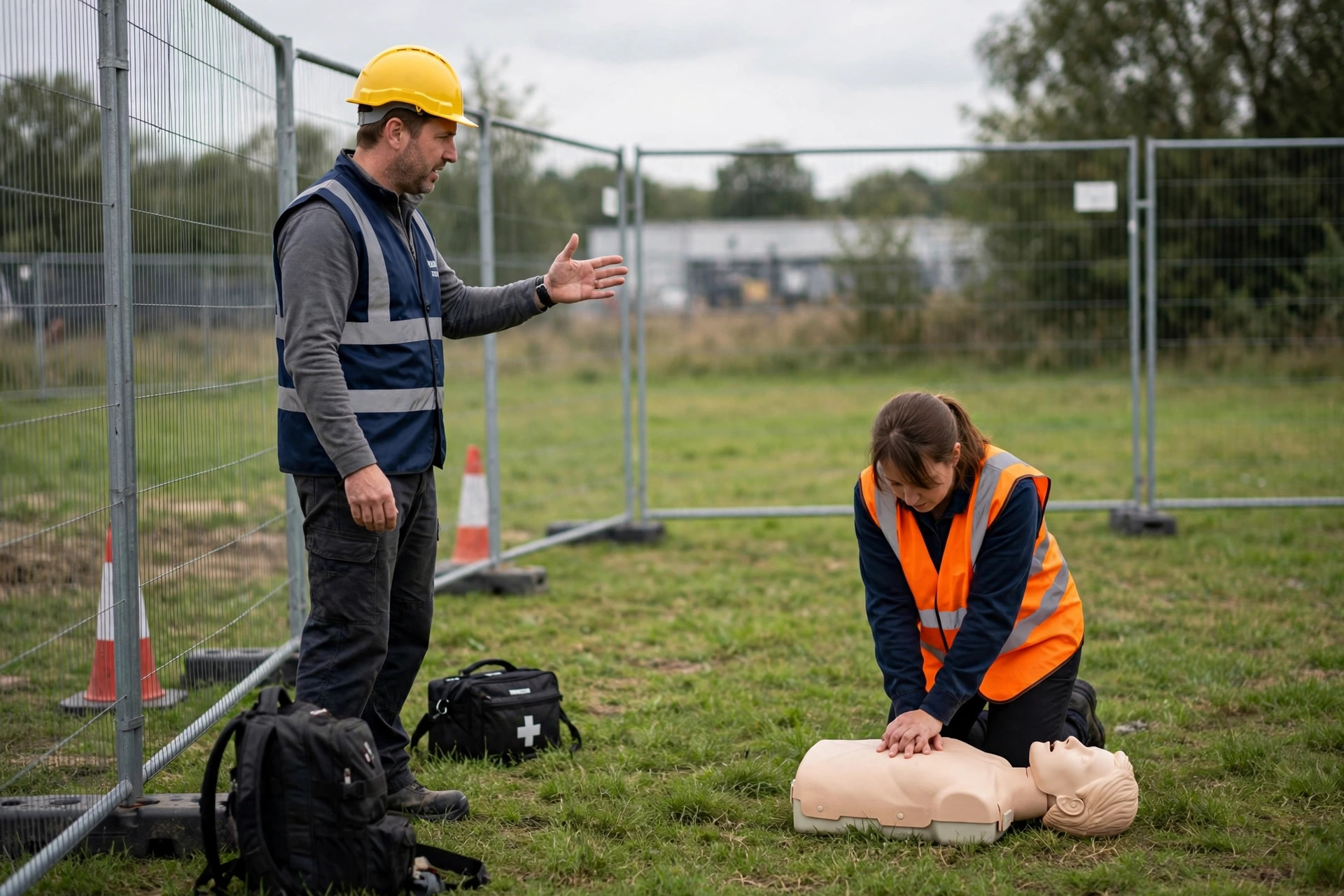
- Check response and breathing. Cardiac arrest is the main killer in both lightning and electric shock — if the person is unresponsive and not breathing normally, start CPR at once and use an AED as soon as available.
- If breathing, place them in the recovery position if injuries allow, and treat other injuries: cool electrical burns with running water once safe (see Electrical Burns), support fractures, and watch for spinal injury after falls or being thrown.
- Keep the person warm and monitor continuously — heart rhythm problems can recur, and lightning can cause temporary paralysis and confusion that improve over time.
- Tell the ambulance crew the voltage involved (if electrical) or that it was a lightning strike, and how long CPR was given.
What NOT to do
- Do not touch someone still in contact with a live electrical source.
- Do not assume a lightning victim is dead if they are not breathing — CPR is particularly effective after lightning, and pupils may be temporarily unreactive.
- Do not shelter under isolated trees or near metal fences during the ongoing storm while helping, if safer shelter is reachable.
- Do not delay CPR to treat burns or other injuries.
When to get medical care
Everyone struck by lightning or receiving a significant electric shock needs emergency hospital assessment, even if they walk away: rhythm monitoring, hearing and eye checks, and assessment of burns and internal injury are needed. Call 911 for any loss of consciousness, chest pain, palpitations, burns, confusion, weakness or numbness afterwards.
Related procedures & tests
Related symptoms
Watch: related videos
Frequently asked questions
Is it safe to touch someone struck by lightning?
Yes — unlike electrical contacts, the human body does not store a lightning charge, so the victim is safe to touch. The main risk is the ongoing storm, so move to safer ground if lightning continues, but do not delay CPR.
Why is CPR so important after lightning?
Lightning typically stops the heart and breathing centre at once, but the heart often restarts spontaneously while breathing does not. Prompt CPR and rescue breaths by a trained rescuer can therefore save people who would otherwise die from lack of oxygen.
In an emergency, call 911 (or your local emergency number) first — do not delay a call to read a guide. These pages are educational first-aid information in general terms; they are not a substitute for emergency services, first-aid training, or assessment by a qualified clinician.