- Physical Examination
- Surgical Examination
- Ophthalmology
- Clinical Skills
- Orthopedics
- Surgery Videos
- Laparoscopy
- Pediatrics
- Funny Videos
- Cardiothoracic Surgery
- Nursing Videos
- Plastic Surgery
- Otorhinolaryngology
- Histology and Histopathology
- Neurosurgery
- Dermatology
- Pediatric Surgery
- Urology
- Dentistry
- Oncology and Cancers
- Anatomy Videos
- Health and Fitness
- Radiology
- Anaesthesia
- Physical Therapy
- Pharmacology
- Interventional Radiology
- Cardiology
- Endocrinology
- Gynecology
- Emergency Medicine
- Psychiatry and Psychology
- Childbirth Videos
- General Medical Videos
- Nephrology
- Physiology
- Diet and Food Health
- Diabetes Mellitus
- Neurology
- Women Health
- Osteoporosis
- Gastroenterology
- Pulmonology
- Hematology
- Rheumatology
- Toxicology
- Nuclear Medicine
- Infectious Diseases
- Vascular Disease
- Reproductive Health
- Burns and Wound Healing
- Kidney Zone Podcast
- Other
Dehydration — First Aid and Care
What to do
- Recognise dehydration: thirst, dry mouth, headache, tiredness, dizziness, dark yellow urine and passing urine less often. Babies show fewer wet nappies, no tears when crying, a dry mouth and sometimes a sunken soft spot; older people may simply become confused or unsteady.
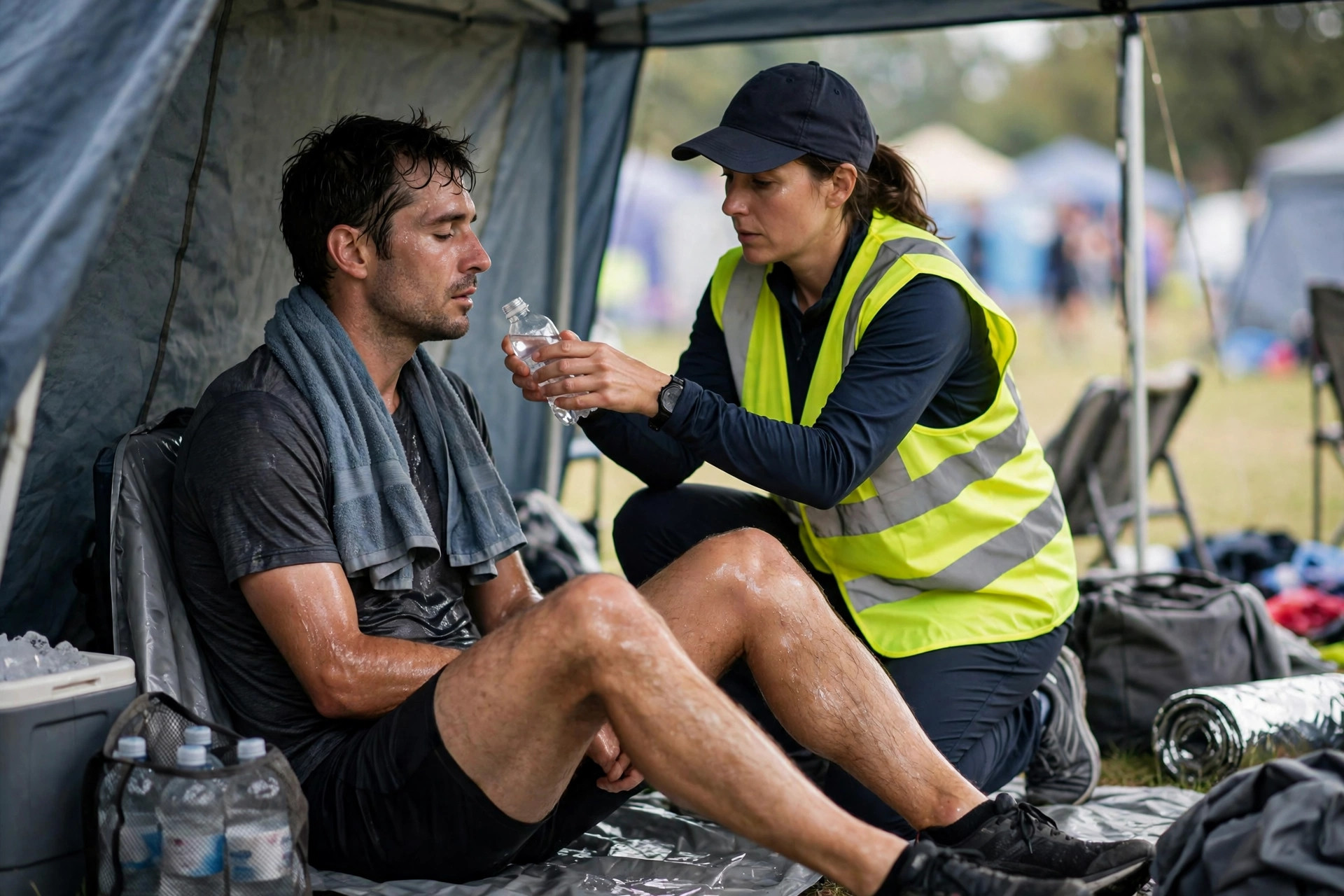
- Move the person to a cool, shaded place and rest them.
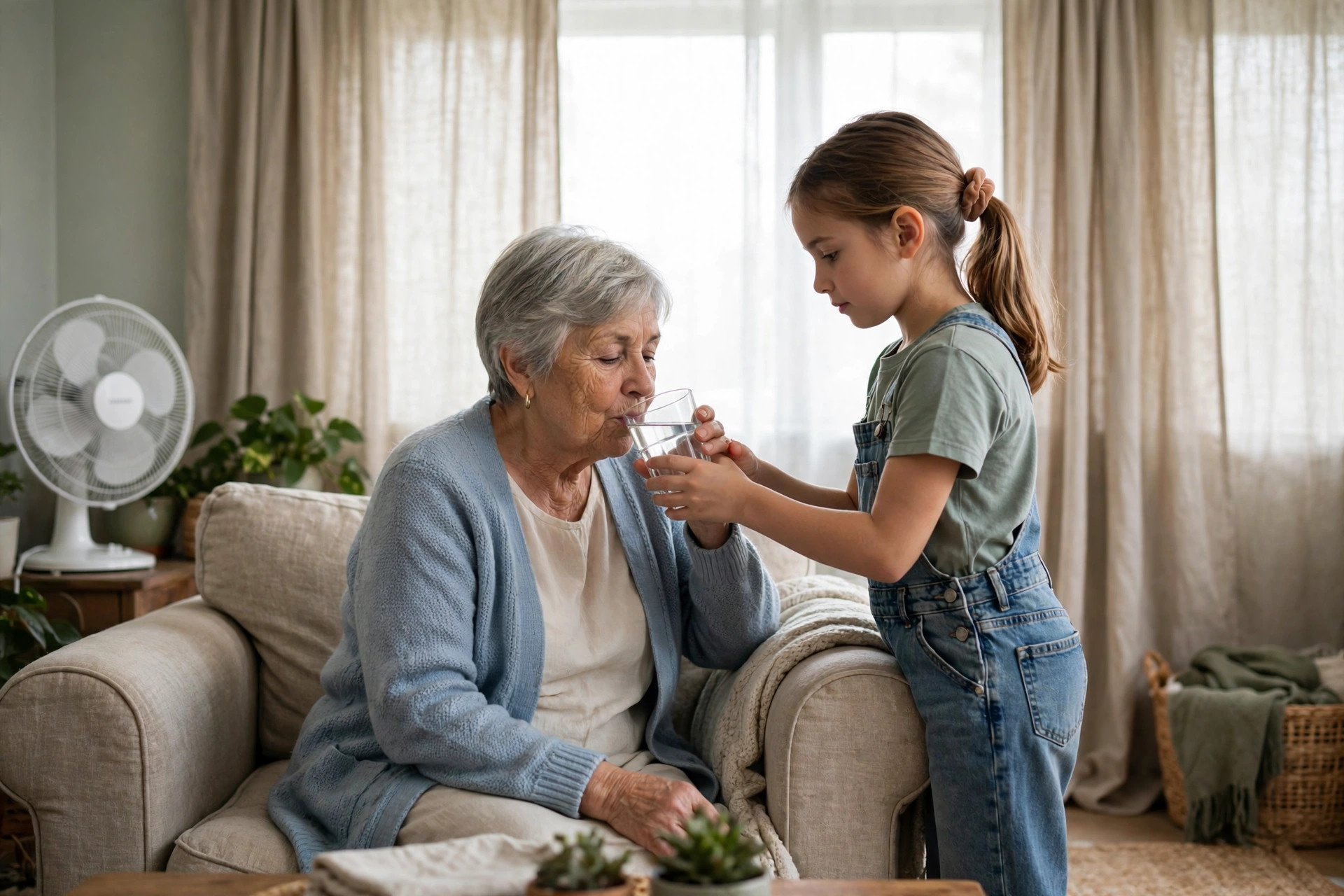
- Replace fluids steadily: small, frequent sips of water. After heavy sweating, vomiting or diarrhoea, an oral rehydration solution (pharmacy-bought or made exactly as directed on the sachet) replaces salts as well as water and is the best choice, especially for children and older people.
- Avoid alcohol and large amounts of caffeine — both increase fluid loss.
- Continue sipping over the next few hours and monitor urine colour (pale yellow is the goal) and symptoms. Eat normally once nausea settles.
- If the person cannot keep fluids down, becomes drowsy or confused, or is a baby or frail older person, seek medical help promptly rather than persisting at home.
What NOT to do
- Do not force large volumes at once in someone who is nauseated — little and often stays down.
- Do not give fizzy drinks or undiluted juices to small children as the main rehydration fluid — oral rehydration solution or water is better.
- Do not ignore confusion or drowsiness in an older person in hot weather — it may be dehydration (or heat illness) rather than 'just age'.
- Do not exercise or work in heat until fully rehydrated.
When to get medical care
Seek urgent help for: inability to keep any fluid down, no urine for 8 or more hours (or no wet nappy for a similar period in a baby), marked dizziness or fainting, confusion or unusual drowsiness, very dry mouth with no tears, a baby with a sunken fontanelle, or dehydration in someone with kidney, heart or diabetes problems. Severe dehydration is treated in hospital with intravenous fluids.
Related conditions
Related symptoms
Watch: related videos
Frequently asked questions
What is the best drink for dehydration?
Water suits mild dehydration from heat or exercise. When fluid is lost through vomiting, diarrhoea or heavy sweating, oral rehydration solution is better because it replaces the salts (electrolytes) that plain water lacks, in the proportions the gut absorbs best.
How much should someone drink?
Small sips every few minutes, building up gradually — roughly a cup over each hour as tolerated, more in ongoing heat or losses. The practical targets are symptoms easing and urine returning to a pale yellow colour and normal frequency.
In an emergency, call 911 (or your local emergency number) first — do not delay a call to read a guide. These pages are educational first-aid information in general terms; they are not a substitute for emergency services, first-aid training, or assessment by a qualified clinician.