- Physical Examination
- Surgical Examination
- Ophthalmology
- Clinical Skills
- Orthopedics
- Surgery Videos
- Laparoscopy
- Pediatrics
- Funny Videos
- Cardiothoracic Surgery
- Nursing Videos
- Plastic Surgery
- Otorhinolaryngology
- Histology and Histopathology
- Neurosurgery
- Dermatology
- Pediatric Surgery
- Urology
- Dentistry
- Oncology and Cancers
- Anatomy Videos
- Health and Fitness
- Radiology
- Anaesthesia
- Physical Therapy
- Pharmacology
- Interventional Radiology
- Cardiology
- Endocrinology
- Gynecology
- Emergency Medicine
- Psychiatry and Psychology
- Childbirth Videos
- General Medical Videos
- Nephrology
- Physiology
- Diet and Food Health
- Diabetes Mellitus
- Neurology
- Women Health
- Osteoporosis
- Gastroenterology
- Pulmonology
- Hematology
- Rheumatology
- Toxicology
- Nuclear Medicine
- Infectious Diseases
- Vascular Disease
- Reproductive Health
- Burns and Wound Healing
- Kidney Zone Podcast
- Other
Altitude Sickness — First Aid
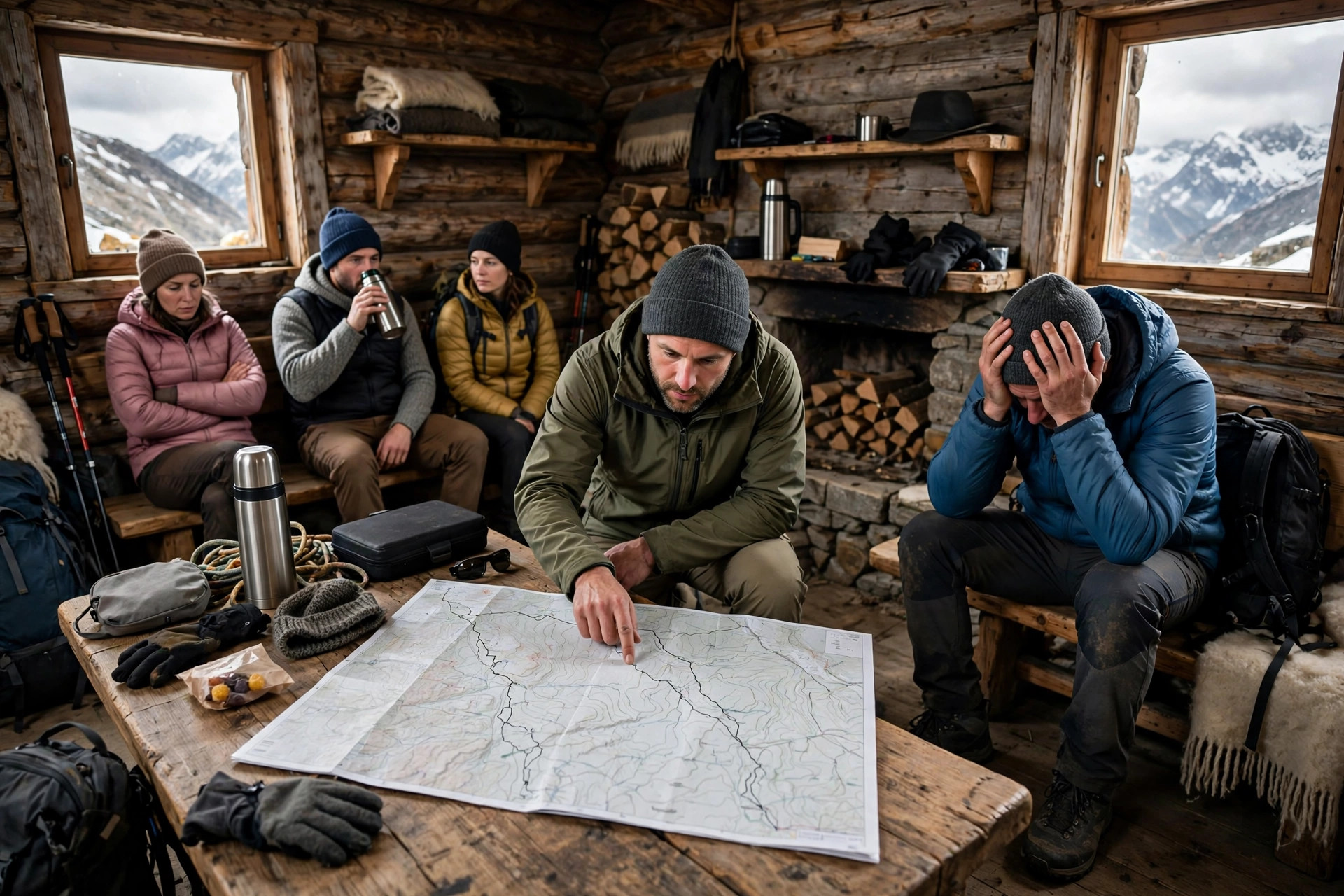
What to do
- Recognise acute mountain sickness (AMS): headache plus nausea, dizziness, fatigue, poor sleep or loss of appetite after ascending above roughly 2,500 metres (8,000 feet). Symptoms usually begin within the first day at a new altitude.
- Stop ascending. Rest at the same altitude until symptoms settle — do not go higher with symptoms.
- Drink fluids regularly, eat light meals, avoid alcohol and sedatives, and use simple pain relief for headache as directed on the packet.
- Descend if symptoms worsen or fail to improve after a day of rest. Even a descent of a few hundred metres often brings marked improvement; descending is the definitive treatment.
- Watch for the dangerous forms: high-altitude cerebral edema (HACE) — worsening headache with confusion, clumsiness or staggering (test walking heel-to-toe in a straight line); and high-altitude pulmonary edema (HAPE) — breathlessness at rest, cough, frothy sputum, extreme fatigue. Both are emergencies.
- For HACE or HAPE: descend immediately, as far as possible, day or night, and call for rescue services. Give oxygen if available and trained. Do not leave the person alone or let them descend unaccompanied.
What NOT to do
- Do not ascend with AMS symptoms to 'sleep it off higher' — this is how fatal cases develop.
- Do not use sleeping tablets or alcohol at altitude — they suppress breathing and mask deterioration.
- Do not delay descent in a person who is confused, staggering or breathless at rest.
- Do not let a symptomatic person descend alone.
When to get medical care
Descend and seek urgent medical help for confusion, loss of balance or coordination, breathlessness at rest, a cough with frothy or blood-stained sputum, blue lips, severe headache unrelieved by pain relief, or repeated vomiting. These signs indicate HACE or HAPE, which can be fatal within hours without descent and treatment.
Related symptoms
Frequently asked questions
How can altitude sickness be prevented?
Ascend gradually: above 3,000 metres, increase your sleeping altitude by no more than about 500 metres a day, build in rest days, stay hydrated, avoid alcohol for the first couple of days, and consider preventive medication only on medical advice before the trip.
Does fitness protect against altitude sickness?
No — fitness does not prevent AMS, and fit people may be at extra risk because they ascend faster and push through symptoms. Susceptibility is largely individual and varies between trips; the rules of gradual ascent apply to everyone.
In an emergency, call 911 (or your local emergency number) first — do not delay a call to read a guide. These pages are educational first-aid information in general terms; they are not a substitute for emergency services, first-aid training, or assessment by a qualified clinician.