- Physical Examination
- Surgical Examination
- Ophthalmology
- Clinical Skills
- Orthopedics
- Surgery Videos
- Laparoscopy
- Pediatrics
- Funny Videos
- Cardiothoracic Surgery
- Nursing Videos
- Plastic Surgery
- Otorhinolaryngology
- Histology and Histopathology
- Neurosurgery
- Dermatology
- Pediatric Surgery
- Urology
- Dentistry
- Oncology and Cancers
- Anatomy Videos
- Health and Fitness
- Radiology
- Anaesthesia
- Physical Therapy
- Pharmacology
- Interventional Radiology
- Cardiology
- Endocrinology
- Gynecology
- Emergency Medicine
- Psychiatry and Psychology
- Childbirth Videos
- General Medical Videos
- Nephrology
- Physiology
- Diet and Food Health
- Diabetes Mellitus
- Neurology
- Women Health
- Osteoporosis
- Gastroenterology
- Pulmonology
- Hematology
- Rheumatology
- Toxicology
- Nuclear Medicine
- Infectious Diseases
- Vascular Disease
- Reproductive Health
- Burns and Wound Healing
- Kidney Zone Podcast
- Other
Severe Bleeding — First Aid
What to do
- Check the scene is safe. Call 911 immediately for heavy bleeding, or ask a bystander to call while you start first aid. Put on gloves if available.
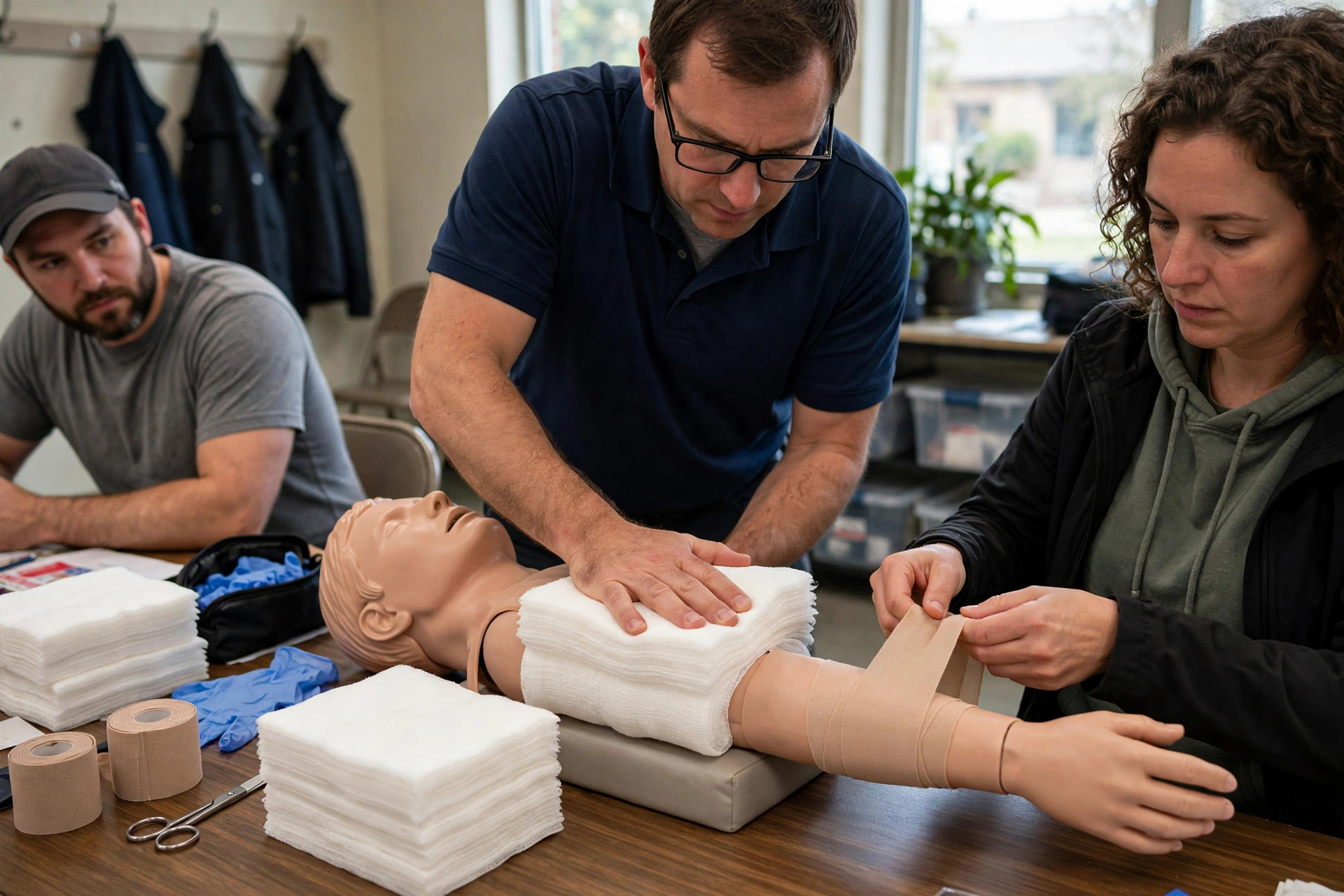
- Apply firm, direct pressure on the wound with a sterile dressing, clean cloth or your hand. Press hard — severe bleeding needs strong, continuous pressure.
- If blood soaks through, do not remove the first dressing — add another on top and keep pressing.
- If the wound is on a limb and bleeding is life-threatening and does not stop with pressure, a tourniquet (if available and you are trained) can be placed 2 to 3 inches above the wound, tightened until bleeding stops. Note the time it was applied and do not loosen it.
- Help the person lie down, keep them warm with a coat or blanket, and watch for signs of shock (pale, cold, clammy skin, fast breathing, confusion).
- Keep pressure on until emergency help arrives. If there is an embedded object, do not press on it — see the embedded object guide.
What NOT to do
- Do not remove dressings that are soaked through — you will disturb clots and restart bleeding.
- Do not apply a tourniquet loosely; a loose tourniquet can make bleeding worse.
- Do not give the person anything to eat or drink — they may need emergency surgery.
- Do not wash a severely bleeding wound — controlling the bleeding comes first.
When to get medical care
Call 911 for bleeding that spurts or flows heavily, does not stop after 10 minutes of firm pressure, soaks through dressings, comes from a deep or large wound, or is accompanied by paleness, faintness, confusion or other shock signs. Any wound needing a tourniquet needs hospital care at once.
Related procedures & tests
Related symptoms
Watch: related videos
Frequently asked questions
How long should I press on a bleeding wound?
Press firmly and continuously. For most wounds bleeding slows within minutes; keep pressure for at least 10 minutes without peeking. If bleeding is life-threatening and pressure alone is not working on a limb, a tourniquet applied by a trained person can save a life.
What are the signs of shock from blood loss?
Pale, cold and clammy skin, a fast weak pulse, fast breathing, thirst, dizziness, confusion or drowsiness. Lie the person down, keep them warm, keep pressure on the wound and make sure 911 has been called.
In an emergency, call 911 (or your local emergency number) first — do not delay a call to read a guide. These pages are educational first-aid information in general terms; they are not a substitute for emergency services, first-aid training, or assessment by a qualified clinician.