- Physical Examination
- Surgical Examination
- Ophthalmology
- Clinical Skills
- Orthopedics
- Surgery Videos
- Laparoscopy
- Pediatrics
- Funny Videos
- Cardiothoracic Surgery
- Nursing Videos
- Plastic Surgery
- Otorhinolaryngology
- Histology and Histopathology
- Neurosurgery
- Dermatology
- Pediatric Surgery
- Urology
- Dentistry
- Oncology and Cancers
- Anatomy Videos
- Health and Fitness
- Radiology
- Anaesthesia
- Physical Therapy
- Pharmacology
- Interventional Radiology
- Cardiology
- Endocrinology
- Gynecology
- Emergency Medicine
- Psychiatry and Psychology
- Childbirth Videos
- General Medical Videos
- Nephrology
- Physiology
- Diet and Food Health
- Diabetes Mellitus
- Neurology
- Women Health
- Osteoporosis
- Gastroenterology
- Pulmonology
- Hematology
- Rheumatology
- Toxicology
- Nuclear Medicine
- Infectious Diseases
- Vascular Disease
- Reproductive Health
- Burns and Wound Healing
- Kidney Zone Podcast
- Other
How to Use an AED (Defibrillator)
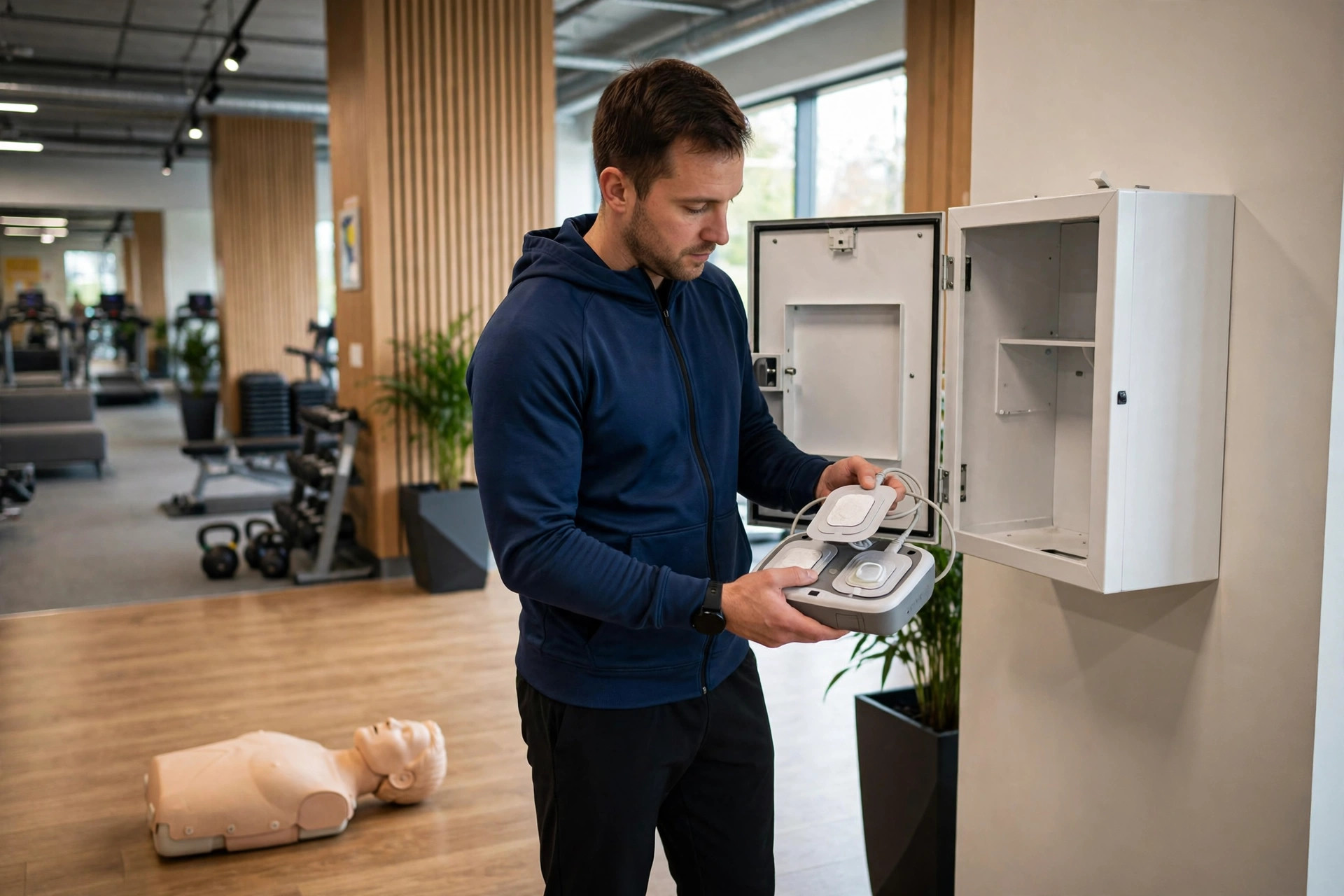
What to do
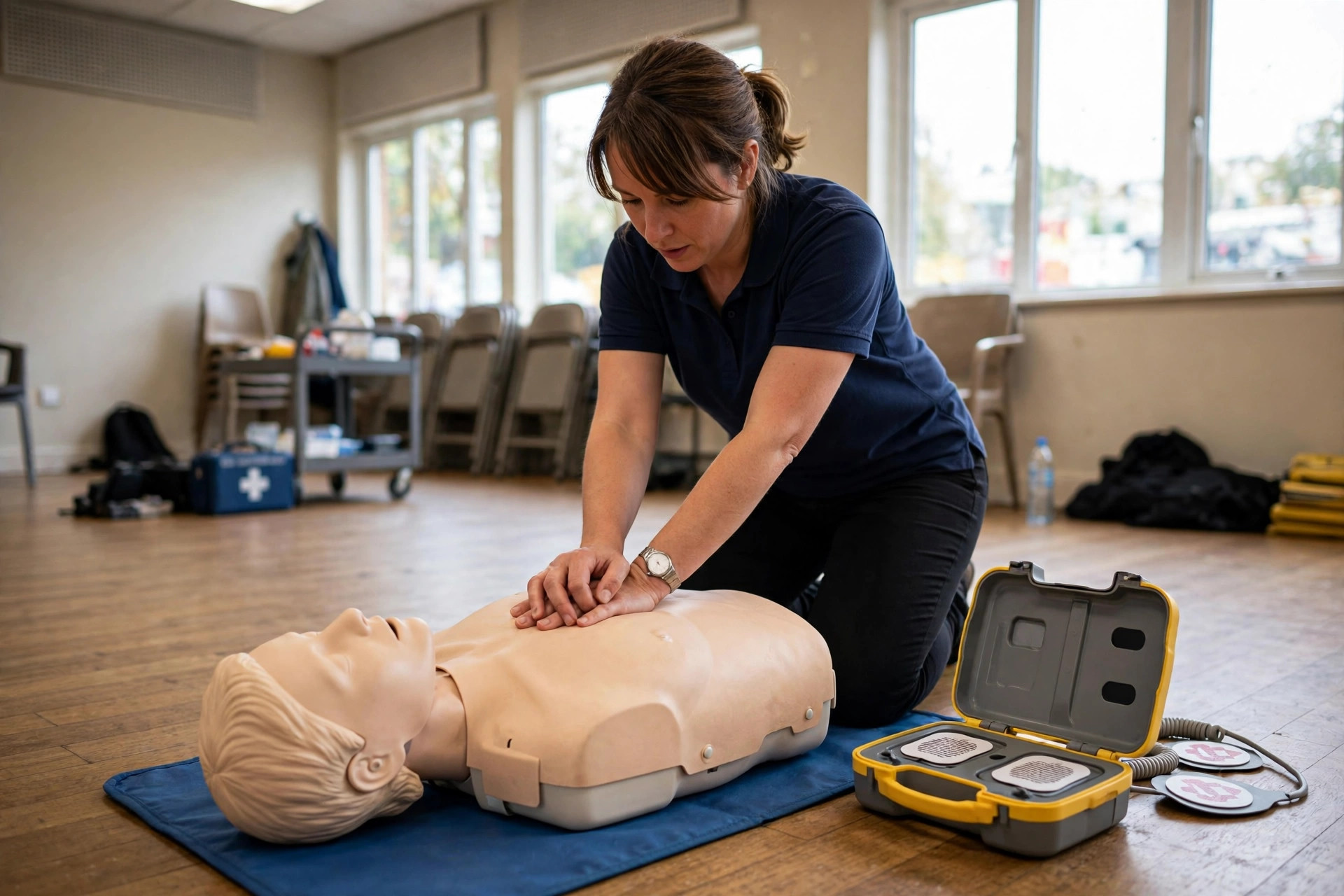
- An AED is used on a person who is unresponsive and not breathing normally. Call 911 first, and start CPR — send someone to fetch the AED so compressions are not delayed.
- Turn the AED on as soon as it arrives (some start when the lid opens) and follow its spoken prompts exactly.
- Expose the chest and dry it if wet. Attach the pads as shown in the pictures on the pads: one on the upper right chest below the collarbone, one on the lower left side below the armpit.
- If the AED tells you it is analysing the rhythm, stop CPR and make sure nobody is touching the person.
- If a shock is advised, check everyone is clear, then press the flashing shock button when prompted. If no shock is advised, that is fine — the AED has decided the rhythm is not shockable.
- Immediately restart CPR after any shock or 'no shock' message and continue until the AED prompts another analysis (usually every 2 minutes) or help takes over.
What NOT to do
- Do not delay starting CPR while waiting for an AED to arrive.
- Do not touch the person while the AED is analysing or delivering a shock.
- Do not remove the pads between cycles — leave them in place until emergency staff take over.
- Do not hesitate to use an AED on a child or on someone with a pacemaker bump — place pads at least an inch away from any implanted device bulge.
When to get medical care
Always call 911 before or while using an AED. A person who has received a shock, or who recovers before help arrives, still needs hospital assessment — keep the pads on, monitor breathing, and hand the AED's information to the ambulance crew.
Related conditions
Related procedures & tests
Related symptoms
Watch: related videos
Frequently asked questions
Can I make a mistake using an AED?
AEDs are designed for untrained bystanders: they talk you through every step and will only deliver a shock if the heart rhythm needs one. You cannot shock someone who does not need it by following the prompts.
Where are AEDs found?
Public-access AEDs are commonly in schools, gyms, airports, stations, offices and sports clubs, usually in a marked cabinet. Emergency dispatchers can often direct you to the nearest one when you call.
In an emergency, call 911 (or your local emergency number) first — do not delay a call to read a guide. These pages are educational first-aid information in general terms; they are not a substitute for emergency services, first-aid training, or assessment by a qualified clinician.