
- Physical Examination
- Surgical Examination
- Ophthalmology
- Clinical Skills
- Orthopedics
- Surgery Videos
- Laparoscopy
- Pediatrics
- Funny Videos
- Cardiothoracic Surgery
- Nursing Videos
- Plastic Surgery
- Otorhinolaryngology
- Histology and Histopathology
- Neurosurgery
- Dermatology
- Pediatric Surgery
- Urology
- Dentistry
- Oncology and Cancers
- Anatomy Videos
- Health and Fitness
- Radiology
- Anaesthesia
- Physical Therapy
- Pharmacology
- Interventional Radiology
- Cardiology
- Endocrinology
- Gynecology
- Emergency Medicine
- Psychiatry and Psychology
- Childbirth Videos
- General Medical Videos
- Nephrology
- Physiology
- Diet and Food Health
- Diabetes Mellitus
- Neurology
- Women Health
- Osteoporosis
- Gastroenterology
- Pulmonology
- Hematology
- Rheumatology
- Toxicology
- Nuclear Medicine
- Infectious Diseases
- Vascular Disease
- Reproductive Health
- Burns and Wound Healing
- Kidney Zone Podcast
- Other
Colorectal transit study (marker study)
Category: Digestive Tests & Procedures · All digestive tests & procedures
What it is
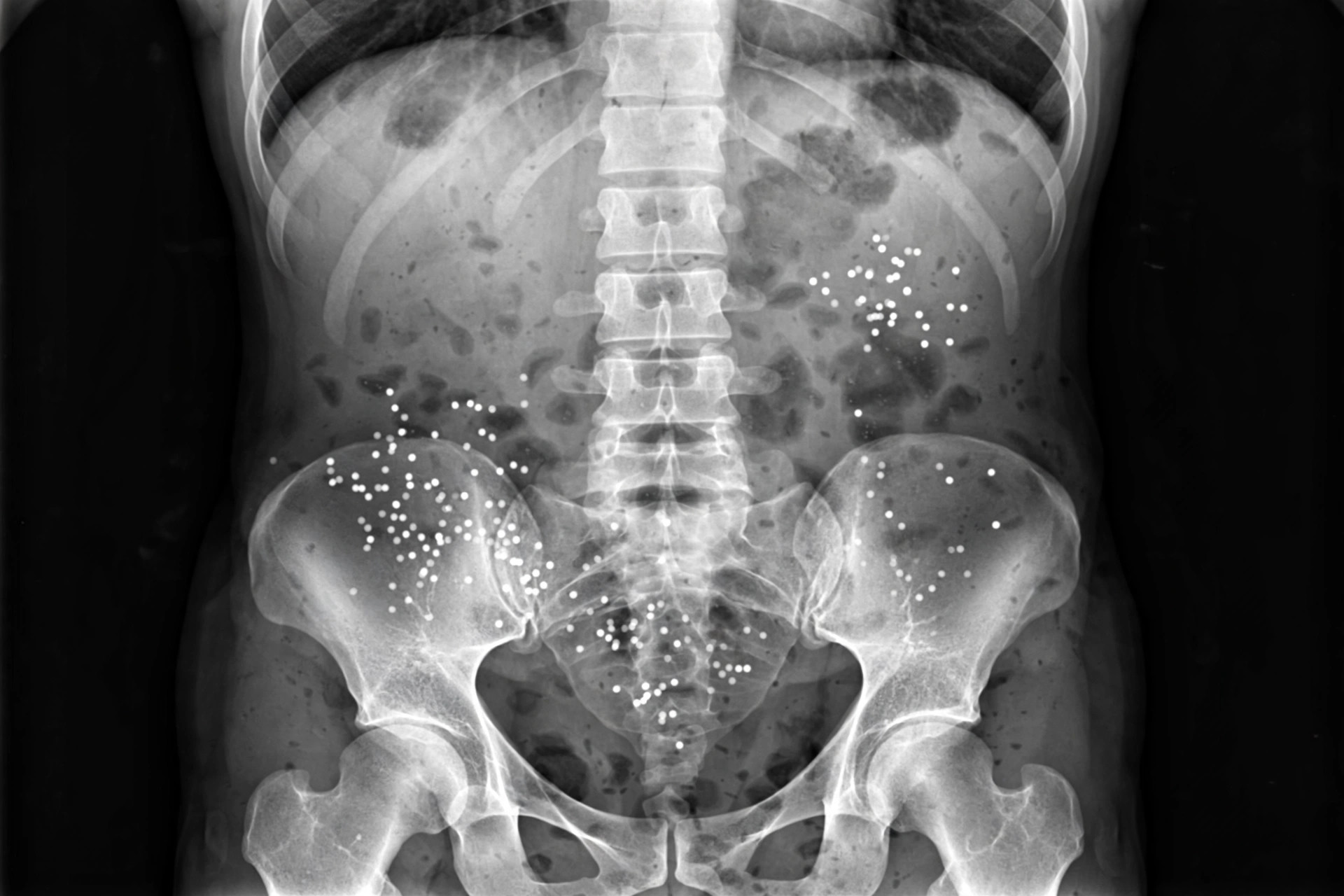
A colorectal transit study measures how quickly material moves through the colon. You swallow capsules containing tiny radio-opaque markers over a few days, and an abdominal X-ray on a set day counts how many markers remain and where they sit.
Why it is done
It investigates severe or unexplained constipation, distinguishing slow transit through the whole colon from a hold-up at the outlet (which points to pelvic floor evacuation problems instead), and guides treatment choice between medicines, biofeedback and surgery.
How to prepare
You will be told not to take laxatives, suppositories or enemas during the study days (unless instructed otherwise, for example for safety), and to keep diet and activity normal. Tell the team about medicines that slow the bowel (such as opioids) — the study interprets them in context — and about pregnancy.
What happens during the procedure
The protocol varies: commonly you swallow one capsule a day for three days (or a single capsule), then have one X-ray on day five or six. Each visit takes minutes; there is no discomfort.
Afterwards — recovery & results
Normal activities continue throughout. Results are calculated from the marker count and distribution and discussed in clinic with the plan — which may include defecating proctogram or anorectal physiology tests if an outlet problem is suggested.
Risks & considerations
The only risk is the small X-ray dose. The main pitfall is taking laxatives during the study, which invalidates the measurement — follow the instruction sheet precisely.
Frequently asked questions
Why not just treat the constipation?
Severe constipation has different mechanisms needing different treatments: slow colons may need specific medicines or rarely surgery, while outlet problems respond to pelvic floor retraining. The study targets the therapy.
What if most markers are still there?
That indicates slow transit. Your team will first optimise medicines and lifestyle; only a small minority with proven, refractory slow transit are considered for surgical options.
Related procedures — Digestive Tests & Procedures
Browse the C section of the A–Z list or return to the Procedures & Tests hub.