
- Physical Examination
- Surgical Examination
- Ophthalmology
- Clinical Skills
- Orthopedics
- Surgery Videos
- Laparoscopy
- Pediatrics
- Funny Videos
- Cardiothoracic Surgery
- Nursing Videos
- Plastic Surgery
- Otorhinolaryngology
- Histology and Histopathology
- Neurosurgery
- Dermatology
- Pediatric Surgery
- Urology
- Dentistry
- Oncology and Cancers
- Anatomy Videos
- Health and Fitness
- Radiology
- Anaesthesia
- Physical Therapy
- Pharmacology
- Interventional Radiology
- Cardiology
- Endocrinology
- Gynecology
- Emergency Medicine
- Psychiatry and Psychology
- Childbirth Videos
- General Medical Videos
- Nephrology
- Physiology
- Diet and Food Health
- Diabetes Mellitus
- Neurology
- Women Health
- Osteoporosis
- Gastroenterology
- Pulmonology
- Hematology
- Rheumatology
- Toxicology
- Nuclear Medicine
- Infectious Diseases
- Vascular Disease
- Reproductive Health
- Burns and Wound Healing
- Kidney Zone Podcast
- Other
Digestive Tests & Procedures
Tests of the digestive system beyond the standard scopes: studies of swallowing, stomach emptying and bowel movement, pressure measurements of the gullet and back passage, liver stiffness scanning, stool and breath tests, and imaging of the small bowel.
This page lists all 11 of them in the guide. Open any procedure for preparation, step-by-step what happens, recovery advice and frequently asked questions.
 Anorectal physiology and manometryDigestive
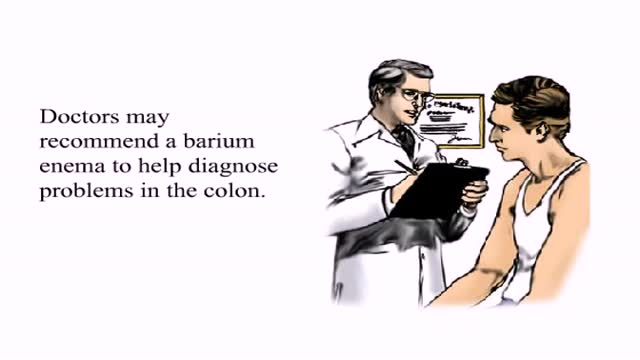 Barium enemaDigestive
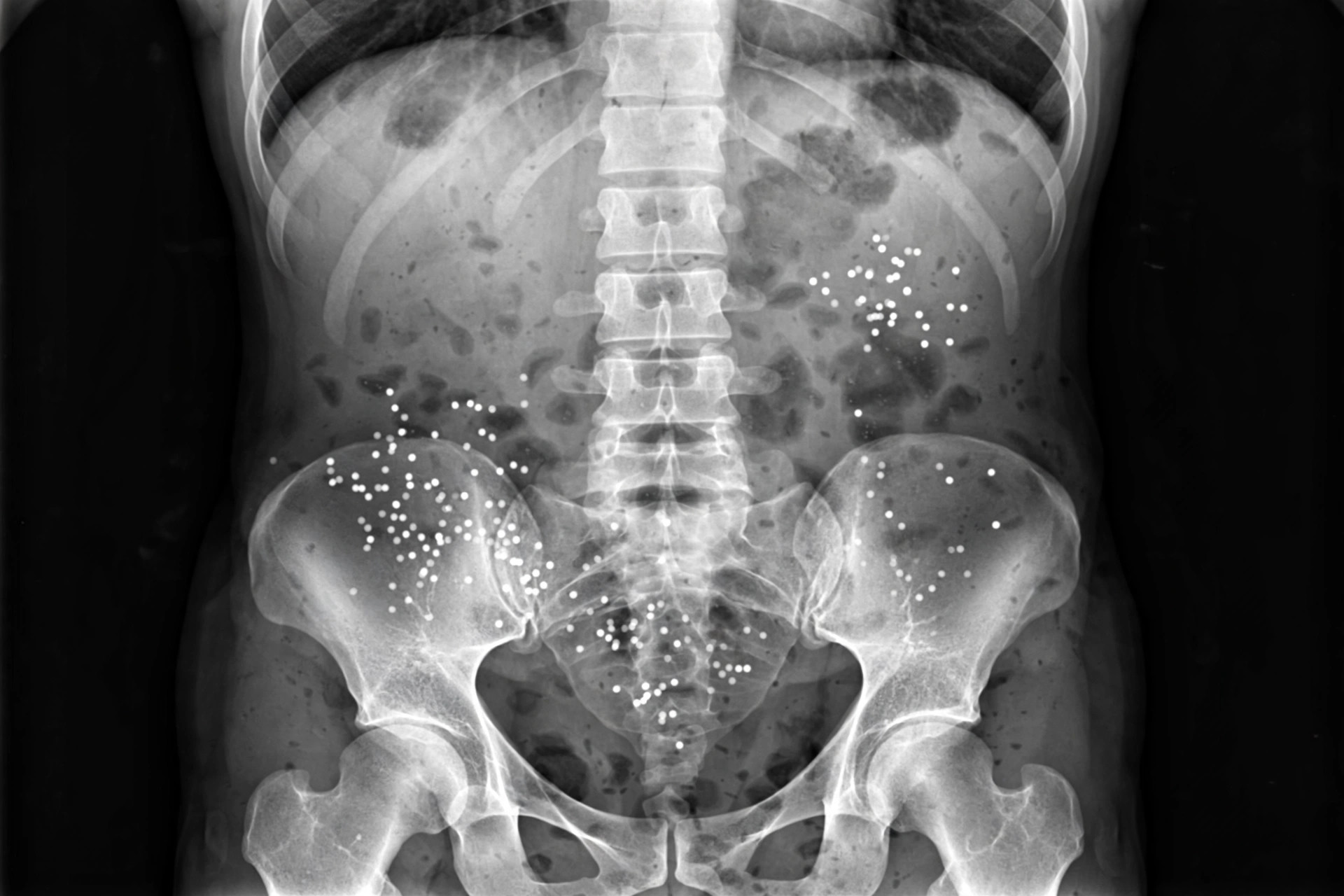 Colorectal transit study (marker study)Digestive
 CT colonography (virtual colonoscopy)Digestive
 Defecating proctogram (evacuation study)Digestive
 Faecal calprotectin and stool testsDigestive
 Gastric emptying studyDigestive
 Hydrogen breath testDigestive
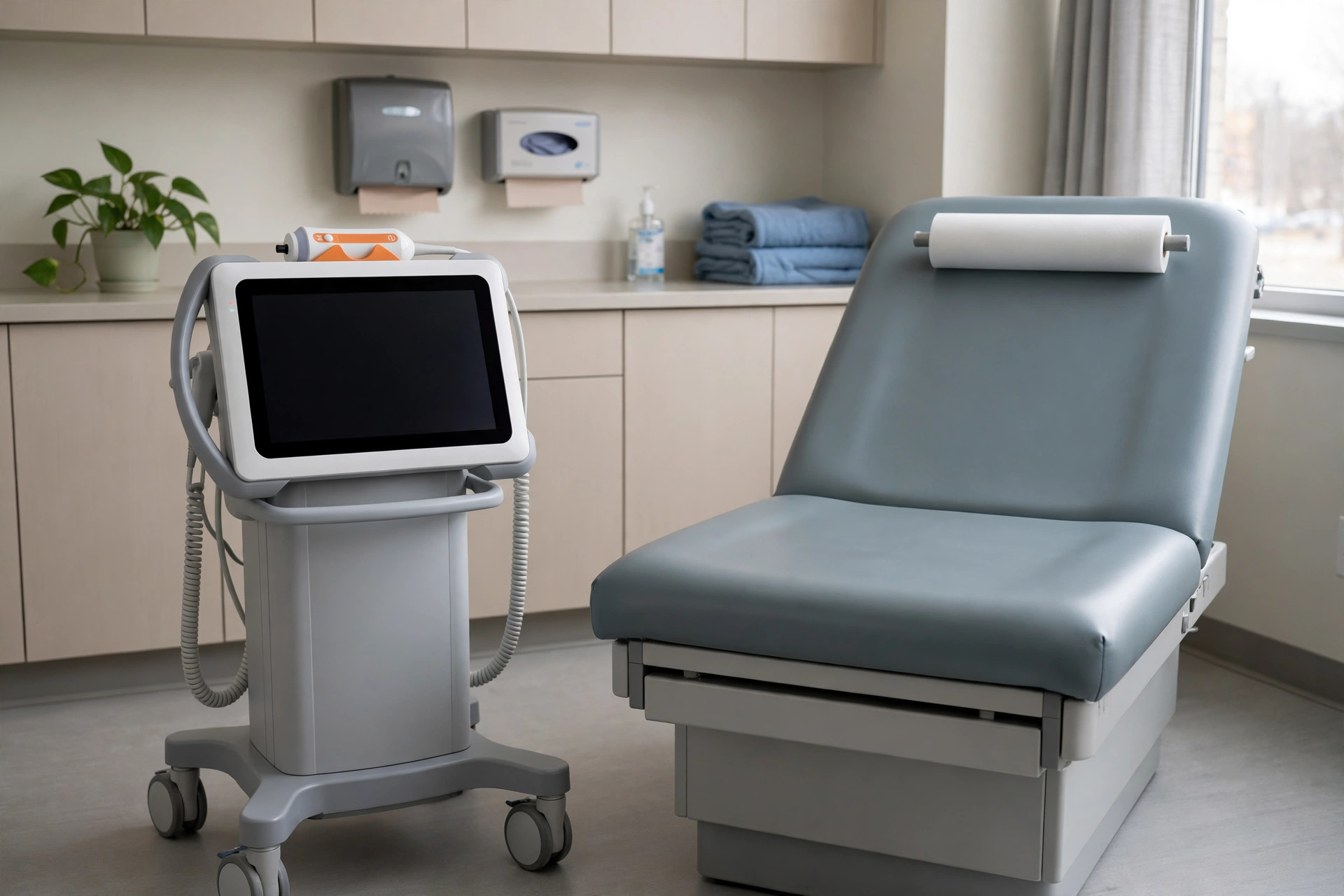 Liver elastography (FibroScan)Digestive
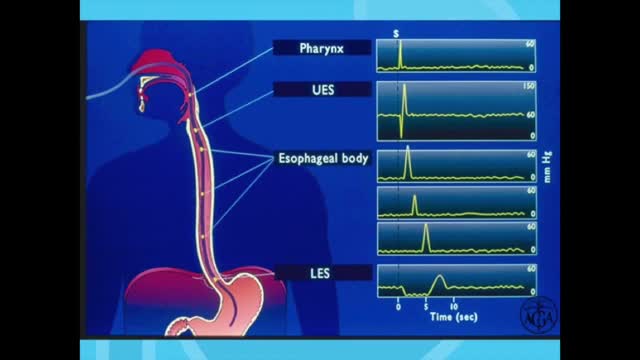 Oesophageal manometry and 24-hour pH studyDigestive
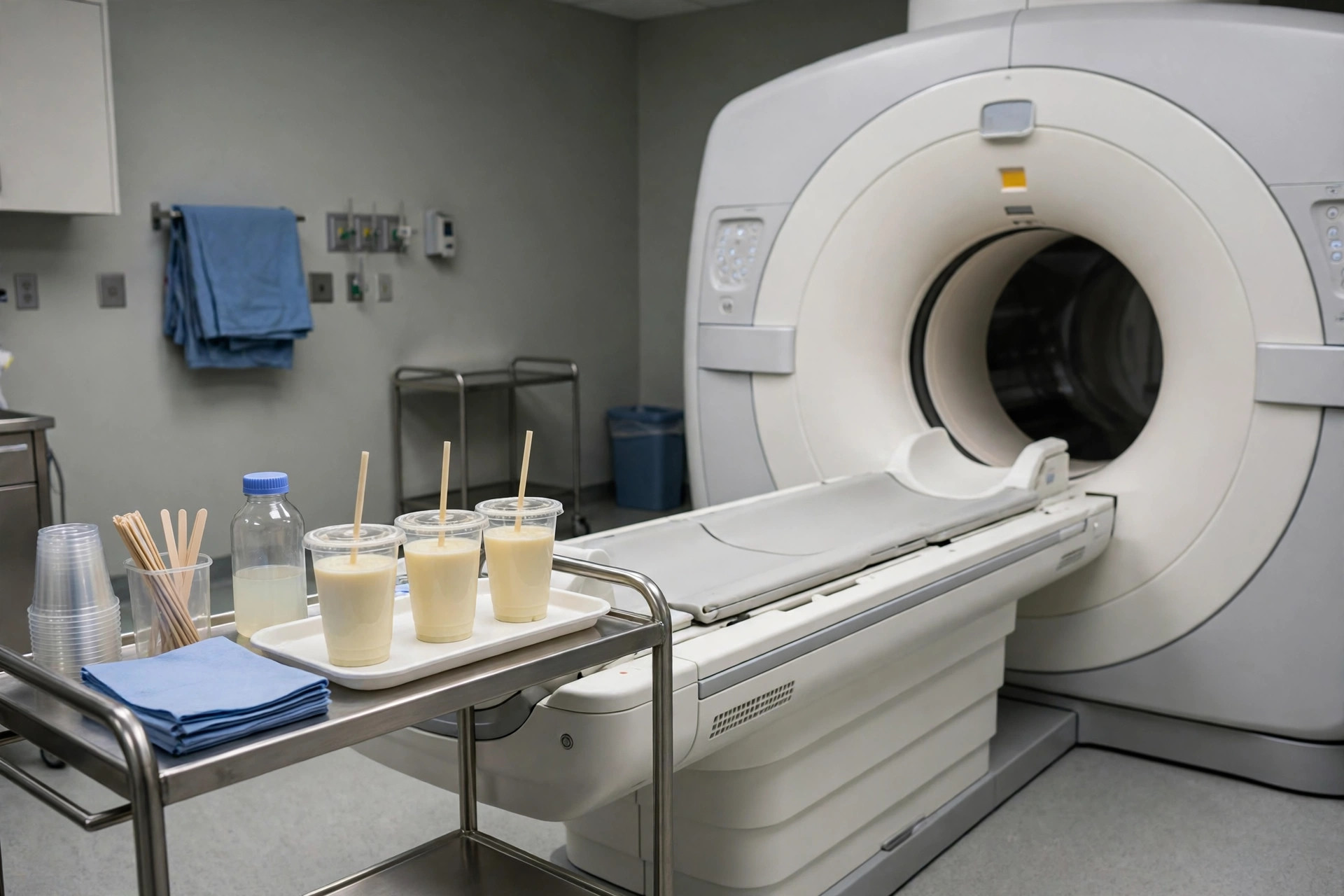 Small bowel MRI (MR enterography)Digestive
| Procedure / test | Category | What it is |
|---|---|---|
| Anorectal physiology and manometry | Digestive | Anorectal physiology tests measure how the back passage and pelvic floor muscles work — their strength, coordination and sensation. They include anal manometry (pressures), sensation testing with a small balloon, and sometimes ultrasound of the anal muscles. |
| Barium enema | Digestive | A barium enema is an X-ray examination of the large bowel in which barium liquid is passed into the bowel through a small tube in the back passage, coating the lining so its shape and any abnormalities show on X-rays. CT colonography has replaced it in many centres. |
| Colorectal transit study (marker study) | Digestive | A colorectal transit study measures how quickly material moves through the colon. You swallow capsules containing tiny radio-opaque markers over a few days, and an abdominal X-ray on a set day counts how many markers remain and where they sit. |
| CT colonography (virtual colonoscopy) | Digestive | CT colonography, sometimes called virtual colonoscopy, is a CT scan of the large bowel after it has been gently inflated with gas through a small tube. Computer software builds a fly-through view of the bowel lining to look for polyps and cancers. |
| Defecating proctogram (evacuation study) | Digestive | A defecating proctogram (defecography) is an X-ray or MRI study that films the back passage and pelvic floor in action as you empty a paste that mimics stool, showing how the structures move during defecation. |
| Faecal calprotectin and stool tests | Digestive | Stool tests analyse a small sample of faeces in the laboratory. Key examples are faecal calprotectin, which reflects inflammation in the bowel, the FIT test, which detects hidden blood, and tests for infections such as C. difficile and parasites. |
| Gastric emptying study | Digestive | A gastric emptying study is a nuclear medicine scan that tracks how quickly a meal leaves the stomach. You eat a small meal containing a tiny amount of radioactive tracer, and a camera takes pictures over several hours. |
| Hydrogen breath test | Digestive | A hydrogen breath test measures gases in your breath after drinking a sugar solution (such as lactose, fructose or glucose). It helps diagnose sugar intolerances and bacterial overgrowth in the small bowel. |
| Liver elastography (FibroScan) | Digestive | Liver elastography (commonly FibroScan) is a painless ultrasound-based test that measures liver stiffness, which reflects scarring (fibrosis), and can also estimate fat in the liver. |
| Oesophageal manometry and 24-hour pH study | Digestive | These are tests of how the gullet (oesophagus) works. Manometry measures the squeezing strength and coordination of the gullet muscles using a thin pressure-sensing tube. A 24-hour pH (or impedance-pH) study measures acid reflux over a full day using a fine tube or a small capsule attached to the gullet lining. |
| Small bowel MRI (MR enterography) | Digestive | MR enterography is an MRI scan focused on the small bowel. You drink a special fluid that distends the bowel so its wall can be assessed for inflammation, narrowing and other abnormalities, with no radiation involved. |
Please note: This page is educational information about a medical procedure or test. It does not replace the instructions of your own care team, who know your situation and whose preparation, fasting and medication advice you should follow if it differs from anything here. If you have symptoms that worry you, or an appointment you do not understand, contact your clinical team.