
- Physical Examination
- Surgical Examination
- Ophthalmology
- Clinical Skills
- Orthopedics
- Surgery Videos
- Laparoscopy
- Pediatrics
- Funny Videos
- Cardiothoracic Surgery
- Nursing Videos
- Plastic Surgery
- Otorhinolaryngology
- Histology and Histopathology
- Neurosurgery
- Dermatology
- Pediatric Surgery
- Urology
- Dentistry
- Oncology and Cancers
- Anatomy Videos
- Health and Fitness
- Radiology
- Anaesthesia
- Physical Therapy
- Pharmacology
- Interventional Radiology
- Cardiology
- Endocrinology
- Gynecology
- Emergency Medicine
- Psychiatry and Psychology
- Childbirth Videos
- General Medical Videos
- Nephrology
- Physiology
- Diet and Food Health
- Diabetes Mellitus
- Neurology
- Women Health
- Osteoporosis
- Gastroenterology
- Pulmonology
- Hematology
- Rheumatology
- Toxicology
- Nuclear Medicine
- Infectious Diseases
- Vascular Disease
- Reproductive Health
- Burns and Wound Healing
- Kidney Zone Podcast
- Other
Anorectal physiology and manometry
Category: Digestive Tests & Procedures · All digestive tests & procedures
What it is
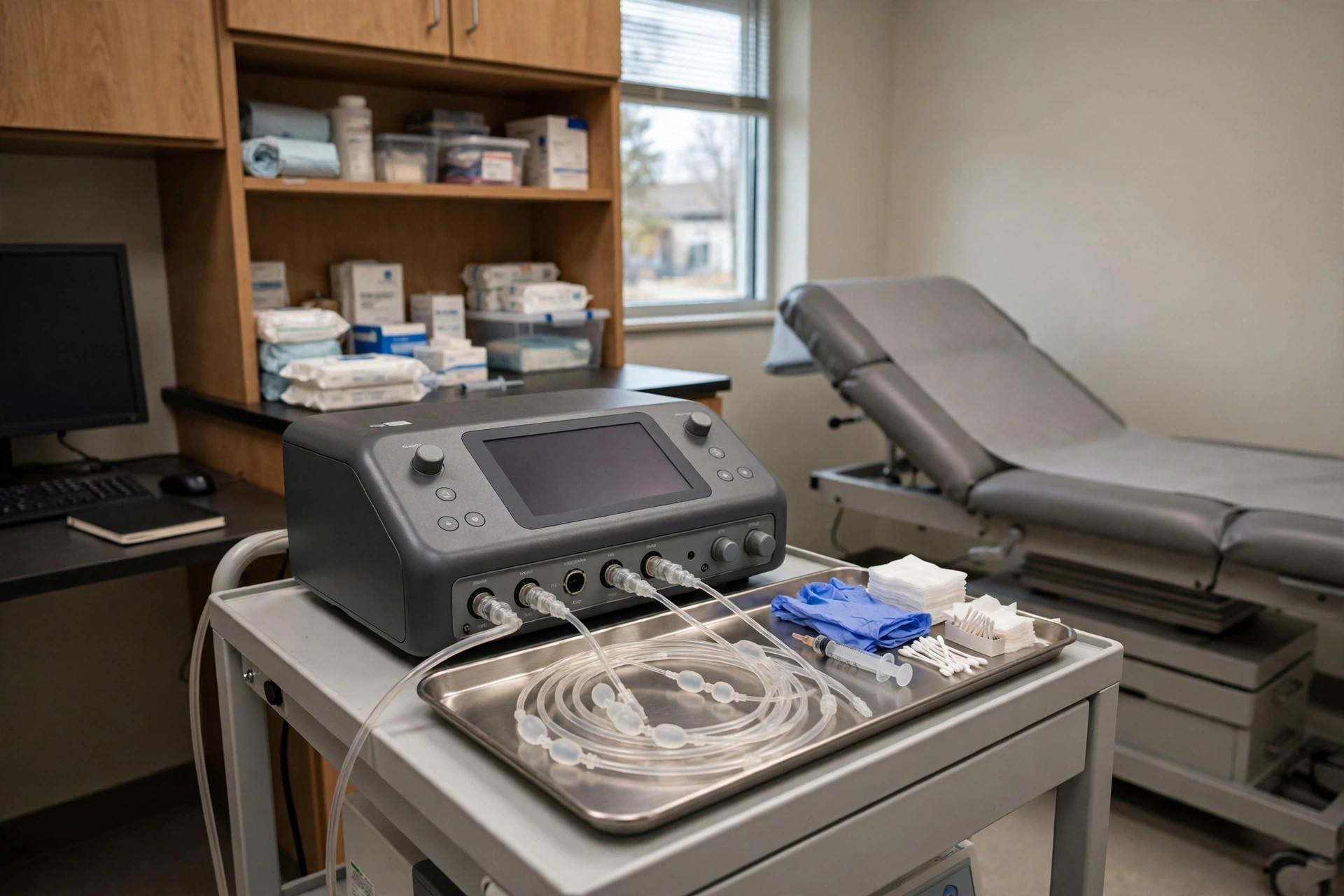
Anorectal physiology tests measure how the back passage and pelvic floor muscles work — their strength, coordination and sensation. They include anal manometry (pressures), sensation testing with a small balloon, and sometimes ultrasound of the anal muscles.
Why it is done
They are used to investigate faecal incontinence, difficult or obstructed defecation, and before some operations on the back passage or pelvic floor.
How to prepare
No major preparation is usually needed; a small enema may be given beforehand. Tell the team about previous anal surgery, childbirth injuries and current symptoms — a bowel and bladder diary may be requested.
What happens during the procedure
You lie on your side. A thin catheter measures pressures while you rest, squeeze and push as instructed; a small balloon is gently inflated to test sensation and capacity. An ultrasound probe may briefly assess the muscle ring. The tests take about 30 to 45 minutes and are embarrassing for some people, but the team is used to this and keeps you covered and informed.
Afterwards — recovery & results
You can return to normal activities immediately. Results are analysed and discussed at a follow-up clinic, often alongside a plan that may include pelvic floor retraining (biofeedback).
Risks & considerations
Risks are minimal — brief discomfort and, rarely, minor bleeding. The tests guide treatment well but are interpreted together with your history and examination.
Related guides on MedicalVideos.com
Frequently asked questions
What is biofeedback?
It is a training therapy using the same pressure measurements to teach you to coordinate the pelvic floor muscles better, guided by a specialist therapist. It is a common next step after these tests.
Will I need surgery?
Often not. Many people improve with exercises, habit changes and biofeedback. Surgery is considered only for specific structural problems.
Related procedures — Digestive Tests & Procedures
Browse the A section of the A–Z list or return to the Procedures & Tests hub.