
- Physical Examination
- Surgical Examination
- Ophthalmology
- Clinical Skills
- Orthopedics
- Surgery Videos
- Laparoscopy
- Pediatrics
- Funny Videos
- Cardiothoracic Surgery
- Nursing Videos
- Plastic Surgery
- Otorhinolaryngology
- Histology and Histopathology
- Neurosurgery
- Dermatology
- Pediatric Surgery
- Urology
- Dentistry
- Oncology and Cancers
- Anatomy Videos
- Health and Fitness
- Radiology
- Anaesthesia
- Physical Therapy
- Pharmacology
- Interventional Radiology
- Cardiology
- Endocrinology
- Gynecology
- Emergency Medicine
- Psychiatry and Psychology
- Childbirth Videos
- General Medical Videos
- Nephrology
- Physiology
- Diet and Food Health
- Diabetes Mellitus
- Neurology
- Women Health
- Osteoporosis
- Gastroenterology
- Pulmonology
- Hematology
- Rheumatology
- Toxicology
- Nuclear Medicine
- Infectious Diseases
- Vascular Disease
- Reproductive Health
- Burns and Wound Healing
- Kidney Zone Podcast
- Other
Gastric emptying study
Category: Digestive Tests & Procedures · All digestive tests & procedures
What it is
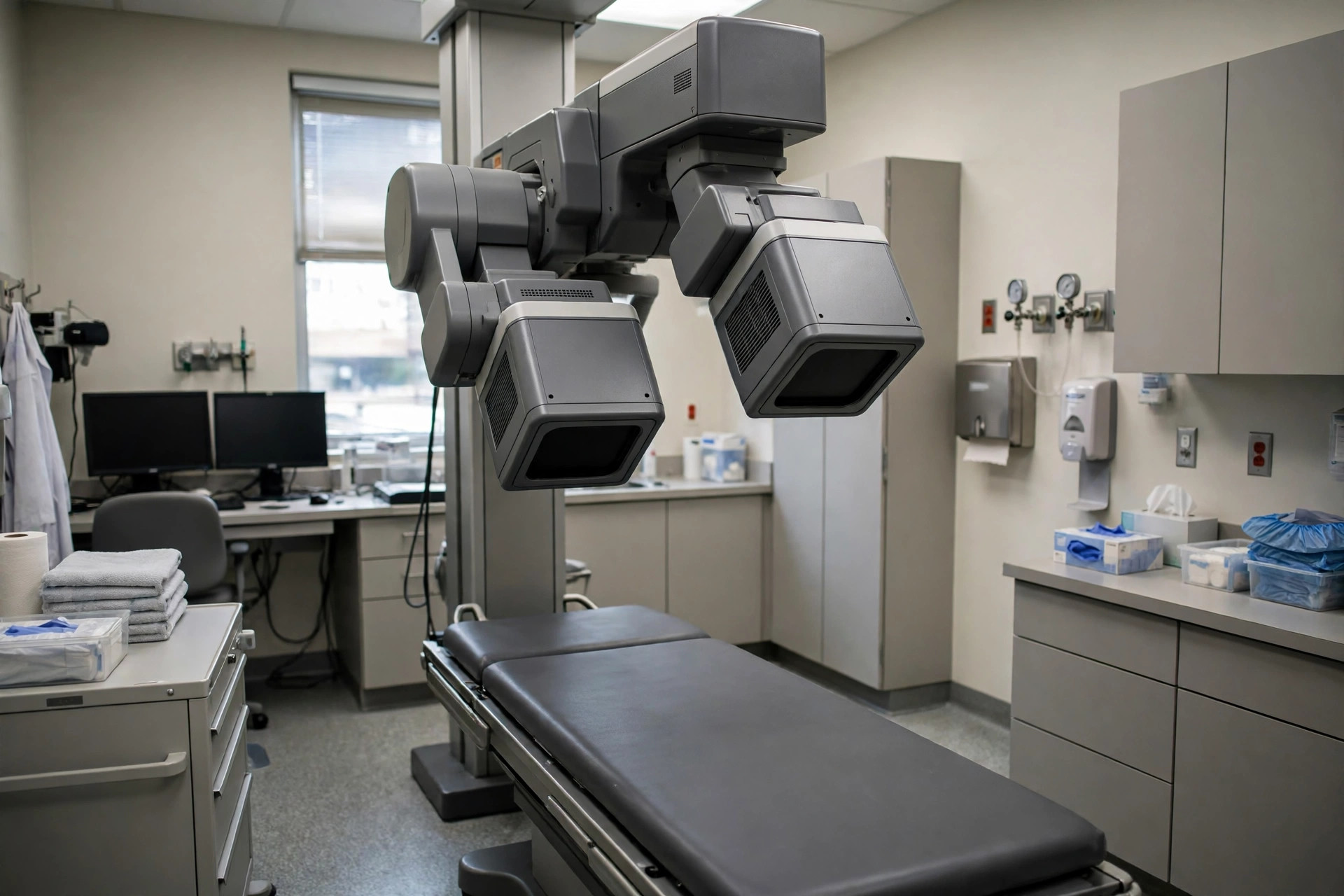
A gastric emptying study is a nuclear medicine scan that tracks how quickly a meal leaves the stomach. You eat a small meal containing a tiny amount of radioactive tracer, and a camera takes pictures over several hours.
Why it is done
It is used to investigate persistent nausea, vomiting, early fullness and bloating where slow stomach emptying (gastroparesis) is suspected — including in people with diabetes — and sometimes fast emptying.
How to prepare
You will fast overnight. Some medicines that affect stomach movement are paused beforehand if the team advises, and blood sugar control matters in diabetes because high readings slow emptying. Tell the team what you take.
What happens during the procedure
You eat the tracer meal (often egg-based; alternatives exist for allergies) within a set time, then lie or sit in front of the camera for short pictures at intervals over about four hours. Between pictures you can usually sit in a waiting area.
Afterwards — recovery & results
You can go home after the final picture and eat normally. The tracer amount is small and fades over a day or so. Results are calculated and sent to your doctor.
Risks & considerations
The radiation dose is low. The main limitation is that results vary with blood sugar, medicines and the meal used, so the test conditions are standardised and interpreted with your history.
Related guides on MedicalVideos.com
Frequently asked questions
What does a slow result mean?
It supports a diagnosis of gastroparesis — stomach emptying that is slower than expected — and helps your doctor plan diet changes and treatment.
Can I take my usual medicines?
Some medicines speed or slow the stomach and may be paused for the test. The department will give you a list; do not stop prescribed medicines without asking.
Related procedures — Digestive Tests & Procedures
Browse the G section of the A–Z list or return to the Procedures & Tests hub.