
- Physical Examination
- Surgical Examination
- Ophthalmology
- Clinical Skills
- Orthopedics
- Surgery Videos
- Laparoscopy
- Pediatrics
- Funny Videos
- Cardiothoracic Surgery
- Nursing Videos
- Plastic Surgery
- Otorhinolaryngology
- Histology and Histopathology
- Neurosurgery
- Dermatology
- Pediatric Surgery
- Urology
- Dentistry
- Oncology and Cancers
- Anatomy Videos
- Health and Fitness
- Radiology
- Anaesthesia
- Physical Therapy
- Pharmacology
- Interventional Radiology
- Cardiology
- Endocrinology
- Gynecology
- Emergency Medicine
- Psychiatry and Psychology
- Childbirth Videos
- General Medical Videos
- Nephrology
- Physiology
- Diet and Food Health
- Diabetes Mellitus
- Neurology
- Women Health
- Osteoporosis
- Gastroenterology
- Pulmonology
- Hematology
- Rheumatology
- Toxicology
- Nuclear Medicine
- Infectious Diseases
- Vascular Disease
- Reproductive Health
- Burns and Wound Healing
- Kidney Zone Podcast
- Other
CT colonography (virtual colonoscopy)
Category: Digestive Tests & Procedures · All digestive tests & procedures
What it is
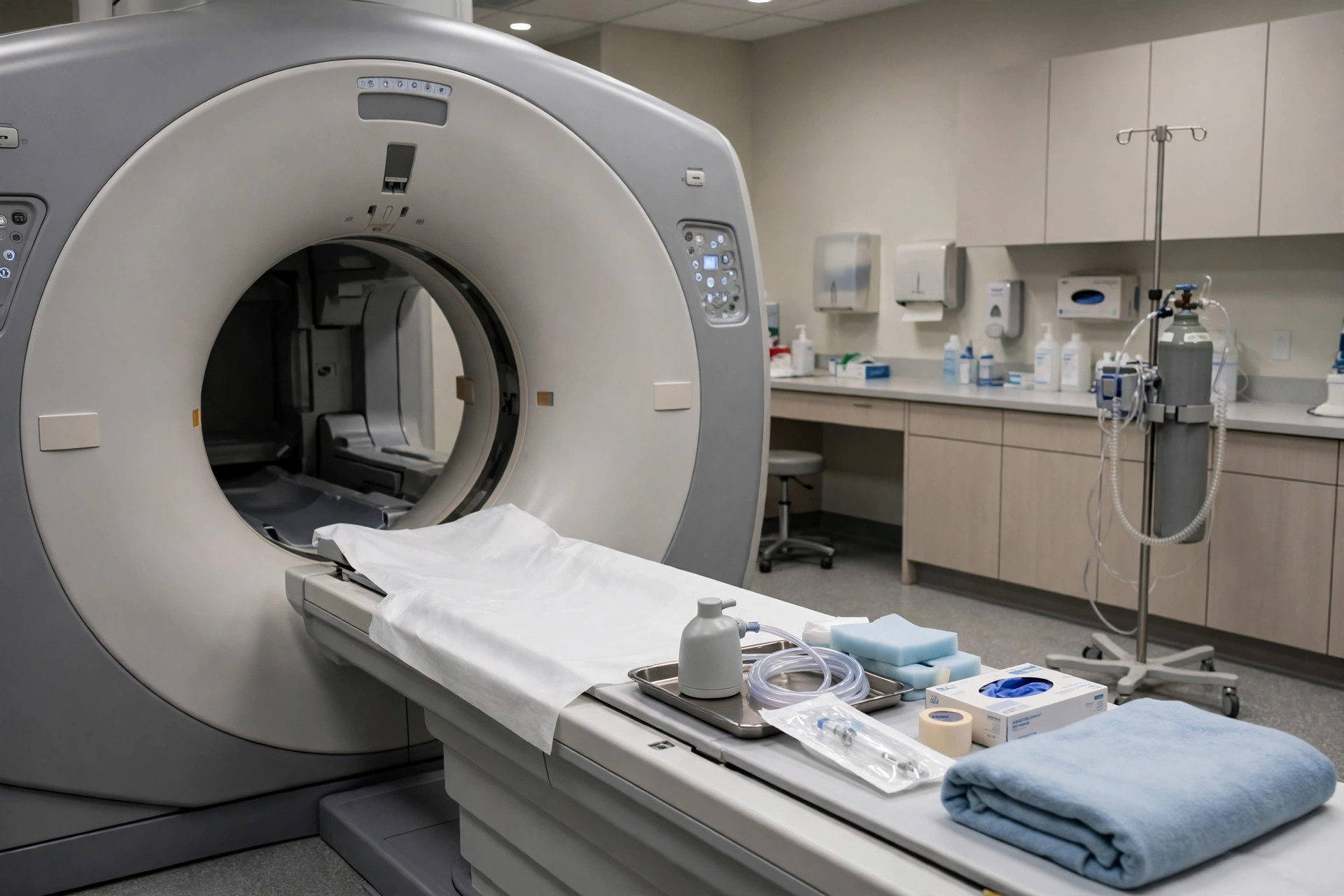
CT colonography, sometimes called virtual colonoscopy, is a CT scan of the large bowel after it has been gently inflated with gas through a small tube. Computer software builds a fly-through view of the bowel lining to look for polyps and cancers.
Why it is done
It is used to investigate bowel symptoms and for screening in some programmes, particularly when standard colonoscopy is not suitable, was incomplete, or is not wanted.
How to prepare
The bowel must be emptied with diet changes and laxative preparation, as for colonoscopy, and you may drink a special liquid beforehand that labels any remaining stool so it is not mistaken for polyps. Tell the team about allergies and kidney problems.
What happens during the procedure
A small tube is placed in the back passage and gas inflates the bowel, which can feel bloating and crampy. The scanner takes pictures with you on your back and front (or side), a few minutes each. The whole visit is usually 20 to 30 minutes and no sedation is needed.
Afterwards — recovery & results
You can go home and eat normally straight away, and drive yourself. If a significant polyp is found, a colonoscopy may still be needed to remove it. The report goes to your doctor, usually within days.
Risks & considerations
Risks include the radiation dose and discomfort from gas, and a very small risk of bowel perforation from inflation. It cannot remove polyps, and it is slightly less accurate for very small polyps than colonoscopy.
Related guides on MedicalVideos.com
Frequently asked questions
If it's clear, do I still need colonoscopy?
Usually not — a clear CT colonography is reassuring. Colonoscopy follows only if findings need removal, biopsy or closer inspection.
Can I drive afterwards?
Yes — no sedation is used, so you can drive and return to normal activities immediately.
Related procedures — Digestive Tests & Procedures
Browse the C section of the A–Z list or return to the Procedures & Tests hub.