
- Physical Examination
- Surgical Examination
- Ophthalmology
- Clinical Skills
- Orthopedics
- Surgery Videos
- Laparoscopy
- Pediatrics
- Funny Videos
- Cardiothoracic Surgery
- Nursing Videos
- Plastic Surgery
- Otorhinolaryngology
- Histology and Histopathology
- Neurosurgery
- Dermatology
- Pediatric Surgery
- Urology
- Dentistry
- Oncology and Cancers
- Anatomy Videos
- Health and Fitness
- Radiology
- Anaesthesia
- Physical Therapy
- Pharmacology
- Interventional Radiology
- Cardiology
- Endocrinology
- Gynecology
- Emergency Medicine
- Psychiatry and Psychology
- Childbirth Videos
- General Medical Videos
- Nephrology
- Physiology
- Diet and Food Health
- Diabetes Mellitus
- Neurology
- Women Health
- Osteoporosis
- Gastroenterology
- Pulmonology
- Hematology
- Rheumatology
- Toxicology
- Nuclear Medicine
- Infectious Diseases
- Vascular Disease
- Reproductive Health
- Burns and Wound Healing
- Kidney Zone Podcast
- Other
Faecal calprotectin and stool tests
Category: Digestive Tests & Procedures · All digestive tests & procedures
What it is
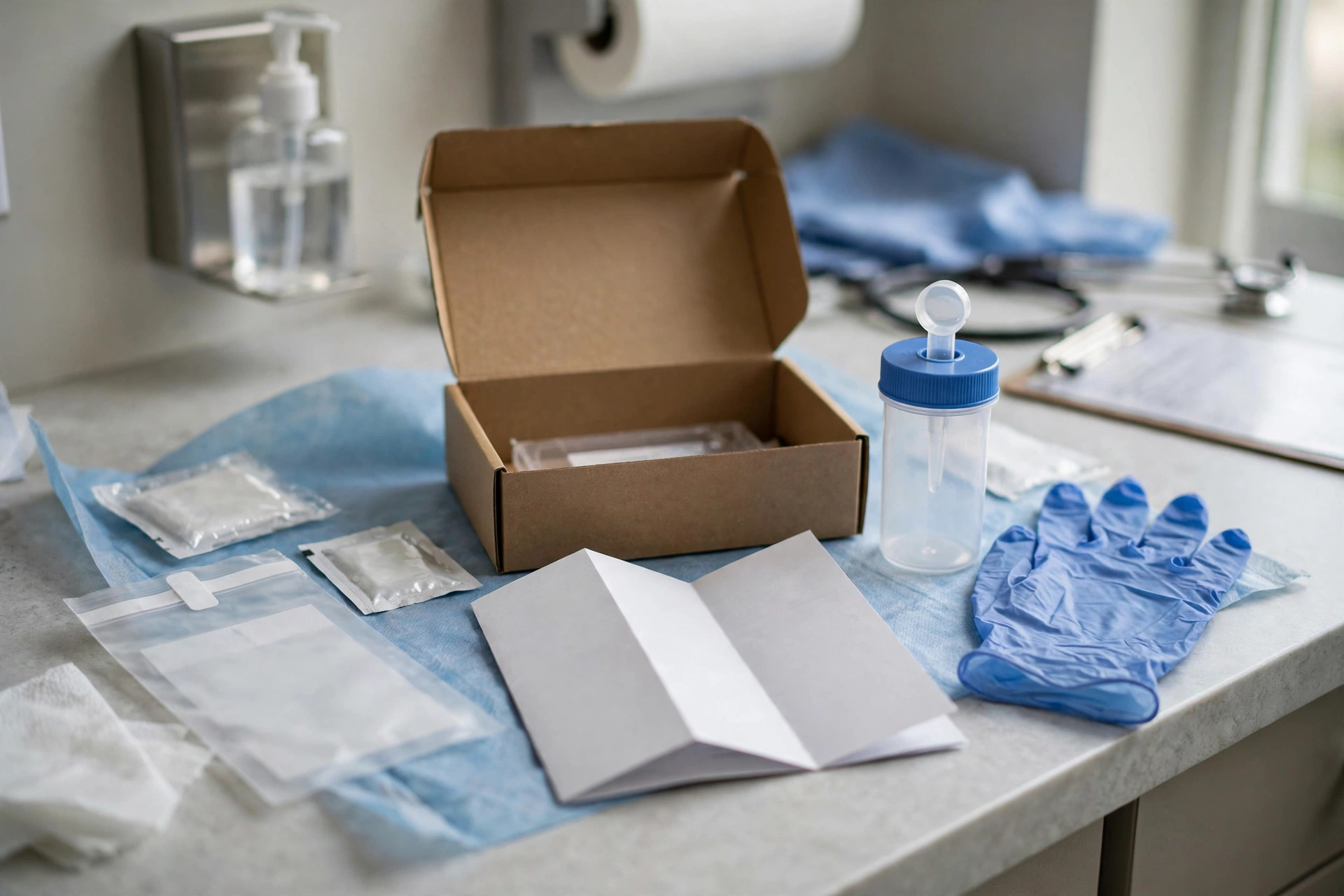
Stool tests analyse a small sample of faeces in the laboratory. Key examples are faecal calprotectin, which reflects inflammation in the bowel, the FIT test, which detects hidden blood, and tests for infections such as C. difficile and parasites.
Why it is done
Calprotectin helps distinguish inflammatory bowel disease from irritable bowel syndrome and monitors known inflammation. FIT is used to investigate bowel symptoms and in bowel screening programmes. Infection tests are used for diarrhoea that is persistent, bloody or follows travel or antibiotics.
How to prepare
There is usually no preparation; some tests ask you to avoid certain medicines or foods only if the laboratory instructs. You will be given a kit with a scoop and instructions to collect the sample without contaminating it with urine or toilet water.
What happens during the procedure
There is no procedure to attend for most stool tests — you collect the sample at home, seal and label the pot, and return it promptly as instructed. Blood and other tests can be arranged at the same time if your doctor wants a fuller picture.
Afterwards — recovery & results
Results usually take a few days to a week depending on the test. Your doctor will explain what the level means — for example a raised calprotectin usually leads to further bowel investigation, while a normal result makes active inflammation less likely.
Risks & considerations
These tests are risk-free to perform. Their limitation is accuracy: a single sample can miss intermittent problems, and some medicines (such as anti-inflammatory painkillers) can affect inflammation markers, so results are interpreted in context.
Related guides on MedicalVideos.com
Frequently asked questions
What is a normal calprotectin?
Laboratories set their own ranges, but low values generally make active bowel inflammation unlikely, while clearly high values suggest inflammation that needs investigation. Your result letter or doctor will interpret yours.
Why was my FIT positive but colonoscopy normal?
FIT detects blood from anywhere in the bowel, including piles and minor causes, and some positives have no serious explanation. A normal colonoscopy afterwards is reassuring.
Related procedures — Digestive Tests & Procedures
Browse the F section of the A–Z list or return to the Procedures & Tests hub.