
- Physical Examination
- Surgical Examination
- Ophthalmology
- Clinical Skills
- Orthopedics
- Surgery Videos
- Laparoscopy
- Pediatrics
- Funny Videos
- Cardiothoracic Surgery
- Nursing Videos
- Plastic Surgery
- Otorhinolaryngology
- Histology and Histopathology
- Neurosurgery
- Dermatology
- Pediatric Surgery
- Urology
- Dentistry
- Oncology and Cancers
- Anatomy Videos
- Health and Fitness
- Radiology
- Anaesthesia
- Physical Therapy
- Pharmacology
- Interventional Radiology
- Cardiology
- Endocrinology
- Gynecology
- Emergency Medicine
- Psychiatry and Psychology
- Childbirth Videos
- General Medical Videos
- Nephrology
- Physiology
- Diet and Food Health
- Diabetes Mellitus
- Neurology
- Women Health
- Osteoporosis
- Gastroenterology
- Pulmonology
- Hematology
- Rheumatology
- Toxicology
- Nuclear Medicine
- Infectious Diseases
- Vascular Disease
- Reproductive Health
- Burns and Wound Healing
- Kidney Zone Podcast
- Other
Hydrogen breath test
Category: Digestive Tests & Procedures · All digestive tests & procedures
What it is
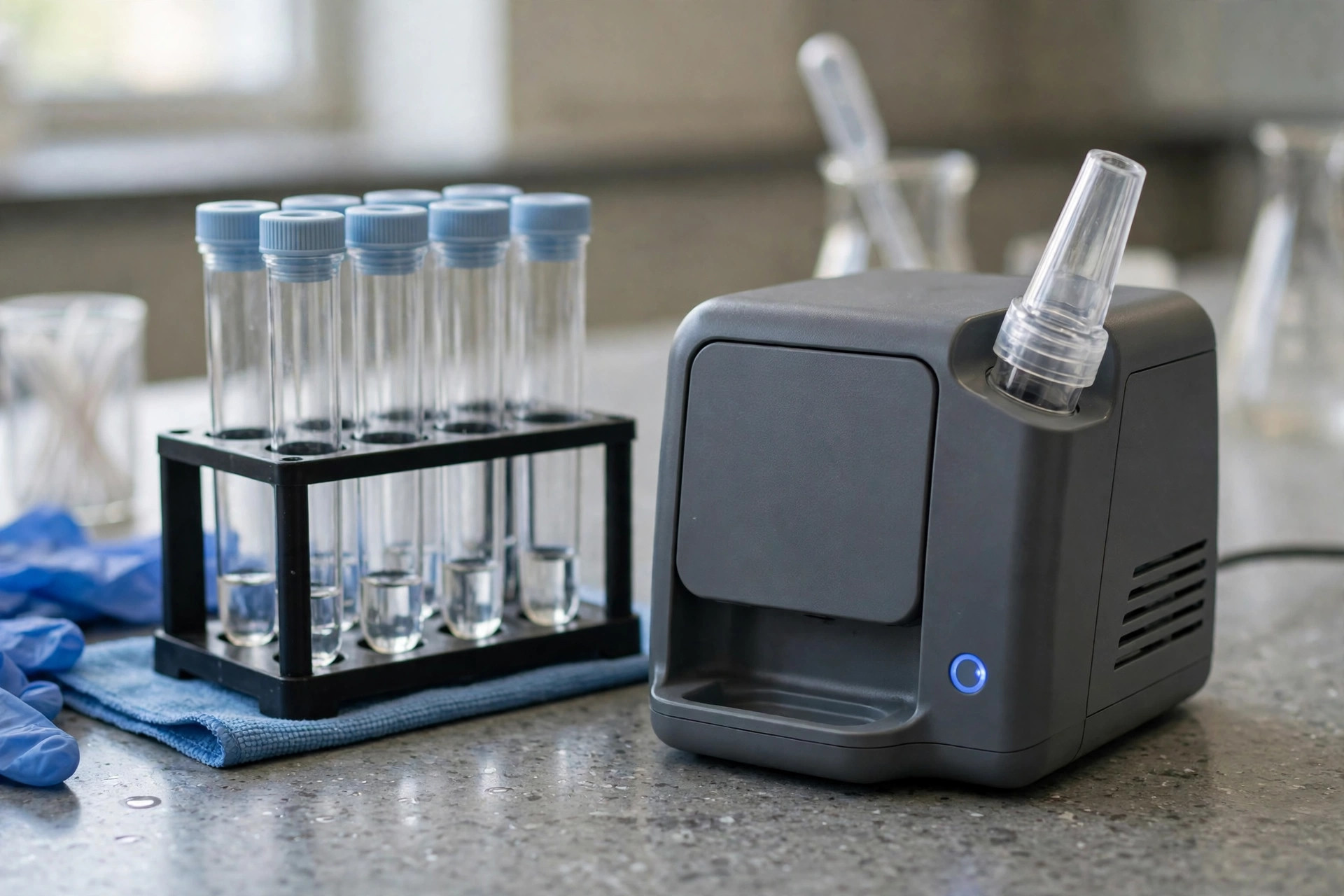
A hydrogen breath test measures gases in your breath after drinking a sugar solution (such as lactose, fructose or glucose). It helps diagnose sugar intolerances and bacterial overgrowth in the small bowel.
Why it is done
It is used when bloating, diarrhoea, wind and abdominal discomfort are suspected to be caused by lactose or fructose malabsorption, or when small intestinal bacterial overgrowth is suspected.
How to prepare
Preparation is important: you will usually fast overnight, avoid certain foods the day before, and must not have had recent antibiotics or bowel preparation, which disturb the results. You will also avoid smoking and exercise on the morning of the test.
What happens during the procedure
You give a baseline breath sample, drink the sugar solution, and then blow into the device every 15 to 30 minutes for two to three hours. Symptoms during the test are recorded, as reproducing them alongside gas rises is part of the interpretation.
Afterwards — recovery & results
You can eat and return to normal activities straight afterwards. Some people get temporary bloating or loose stool from the test drink. Results are reviewed and sent to your doctor or dietitian.
Risks & considerations
The test is very safe; the main issue is that it can reproduce your symptoms for a few hours. Results can be affected by recent antibiotics, smoking and preparation errors, so following the instructions matters.
Related guides on MedicalVideos.com
Frequently asked questions
Why so many breath samples?
Gas production rises over time as the sugar reaches bacteria or goes undigested. The pattern over two to three hours distinguishes the different causes.
Does a positive lactose test mean I must avoid all dairy?
Not necessarily — many people tolerate small amounts or hard cheeses and yoghurts. A dietitian can help you find your personal tolerance level.
Related procedures — Digestive Tests & Procedures
Browse the H section of the A–Z list or return to the Procedures & Tests hub.