
- Physical Examination
- Surgical Examination
- Ophthalmology
- Clinical Skills
- Orthopedics
- Surgery Videos
- Laparoscopy
- Pediatrics
- Funny Videos
- Cardiothoracic Surgery
- Nursing Videos
- Plastic Surgery
- Otorhinolaryngology
- Histology and Histopathology
- Neurosurgery
- Dermatology
- Pediatric Surgery
- Urology
- Dentistry
- Oncology and Cancers
- Anatomy Videos
- Health and Fitness
- Radiology
- Anaesthesia
- Physical Therapy
- Pharmacology
- Interventional Radiology
- Cardiology
- Endocrinology
- Gynecology
- Emergency Medicine
- Psychiatry and Psychology
- Childbirth Videos
- General Medical Videos
- Nephrology
- Physiology
- Diet and Food Health
- Diabetes Mellitus
- Neurology
- Women Health
- Osteoporosis
- Gastroenterology
- Pulmonology
- Hematology
- Rheumatology
- Toxicology
- Nuclear Medicine
- Infectious Diseases
- Vascular Disease
- Reproductive Health
- Burns and Wound Healing
- Kidney Zone Podcast
- Other
Hysteroscopy
Category: Endoscopy & Camera Tests · All endoscopy & camera tests
What it is
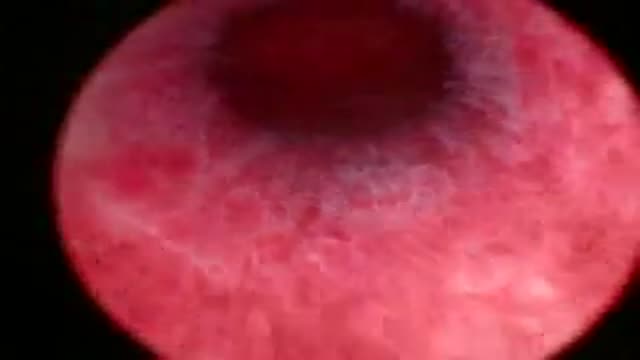
A hysteroscopy looks inside the womb using a thin telescope passed through the vagina and the neck of the womb (cervix), without any cuts. It is commonly done in an outpatient clinic.
Why it is done
It is used to investigate heavy or irregular periods, bleeding after the menopause, fertility questions and recurrent miscarriage, and to check findings from an ultrasound scan such as polyps or fibroids.
How to prepare
You can usually eat and drink normally. You may be advised to take a simple painkiller about an hour beforehand, as the procedure can cause period-like cramps. You must not be pregnant; a pregnancy test is often done. Tell the team if you have a pelvic infection.
What happens during the procedure
You lie on an examination couch and the telescope is passed gently into the womb, with fluid used to open the view. Pictures appear on a screen. Small polyps can sometimes be removed and samples taken at the same visit. It usually takes 10 to 20 minutes.
Afterwards — recovery & results
Most women go home shortly afterwards. Period-like cramps and light bleeding or watery discharge for a few days are common. Seek advice for heavy bleeding, worsening pain, fever or offensive discharge, which can indicate infection.
Risks & considerations
Risks are low and include cramping, feeling faint during the procedure (the team will pause or stop), infection, and rarely a small hole in the wall of the womb. If it proves too uncomfortable in clinic, it can be repeated with anaesthetic in theatre.
Watch: Hysteroscopy videos
Real procedure videos from the MedicalVideos.com library. Some clinical footage is graphic — that is the nature of a medical video library.
Related guides on MedicalVideos.com
Frequently asked questions
Can I ask them to stop?
Absolutely — you are in control. The team will pause or stop if you ask, and discuss alternatives such as doing it under anaesthetic.
Will anything be removed at the same appointment?
Small polyps and sometimes a misplaced coil can be dealt with there and then if you agree; larger fibroids usually need a planned theatre procedure.
Related procedures — Endoscopy & Camera Tests
Browse the H section of the A–Z list or return to the Procedures & Tests hub.