
- Physical Examination
- Surgical Examination
- Ophthalmology
- Clinical Skills
- Orthopedics
- Surgery Videos
- Laparoscopy
- Pediatrics
- Funny Videos
- Cardiothoracic Surgery
- Nursing Videos
- Plastic Surgery
- Otorhinolaryngology
- Histology and Histopathology
- Neurosurgery
- Dermatology
- Pediatric Surgery
- Urology
- Dentistry
- Oncology and Cancers
- Anatomy Videos
- Health and Fitness
- Radiology
- Anaesthesia
- Physical Therapy
- Pharmacology
- Interventional Radiology
- Cardiology
- Endocrinology
- Gynecology
- Emergency Medicine
- Psychiatry and Psychology
- Childbirth Videos
- General Medical Videos
- Nephrology
- Physiology
- Diet and Food Health
- Diabetes Mellitus
- Neurology
- Women Health
- Osteoporosis
- Gastroenterology
- Pulmonology
- Hematology
- Rheumatology
- Toxicology
- Nuclear Medicine
- Infectious Diseases
- Vascular Disease
- Reproductive Health
- Burns and Wound Healing
- Kidney Zone Podcast
- Other
Obstetric ultrasound (pregnancy scan)
Category: Imaging & Scans · All imaging & scans
What it is
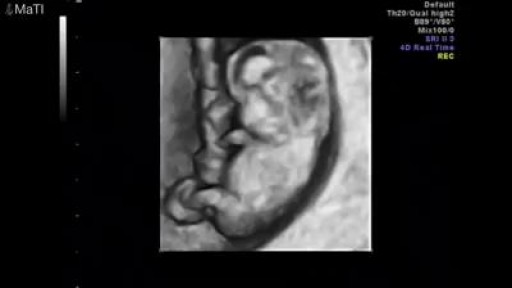
An obstetric ultrasound uses sound waves to picture the baby in the womb. Routine scans are usually offered in early pregnancy (the dating scan) and again around the middle of pregnancy (the anomaly scan), with extra scans if needed.
Why it is done
The dating scan confirms how far along the pregnancy is and how many babies there are. The mid-pregnancy scan checks the baby's growth and development in detail and the position of the placenta.
How to prepare
For early scans you may be asked to arrive with a full bladder. Later scans usually do not need this. Wear clothes that allow easy access to your tummy.
What happens during the procedure
You lie on a couch, gel is spread on your tummy and the probe is moved over the skin. The mid-pregnancy scan is detailed and can take 20 to 30 minutes of quiet concentration by the sonographer. You will usually be given a printed picture if you would like one.
Afterwards — recovery & results
You can carry on as normal afterwards. If anything needs a closer look, you may be offered another scan or a referral to a specialist, and the team will explain what was seen.
Risks & considerations
Ultrasound in pregnancy has been used for many years and is not known to harm the baby when used appropriately. A scan cannot detect every possible problem, which the sonographer will explain.
Watch: Obstetric ultrasound (pregnancy scan) videos
Real procedure videos from the MedicalVideos.com library. Some clinical footage is graphic — that is the nature of a medical video library.
Related guides on MedicalVideos.com
Frequently asked questions
Can the scan guarantee my baby is healthy?
No scan can guarantee that. Scans detect many, but not all, physical differences, and some conditions only become apparent later in pregnancy or after birth.
Why was I offered an extra scan?
Extra scans are commonly offered for growth checks, the position of the placenta, or to look again at something that was hard to see. It does not always mean something is wrong.
Related procedures — Imaging & Scans
Browse the O section of the A–Z list or return to the Procedures & Tests hub.