
- Physical Examination
- Surgical Examination
- Ophthalmology
- Clinical Skills
- Orthopedics
- Surgery Videos
- Laparoscopy
- Pediatrics
- Funny Videos
- Cardiothoracic Surgery
- Nursing Videos
- Plastic Surgery
- Otorhinolaryngology
- Histology and Histopathology
- Neurosurgery
- Dermatology
- Pediatric Surgery
- Urology
- Dentistry
- Oncology and Cancers
- Anatomy Videos
- Health and Fitness
- Radiology
- Anaesthesia
- Physical Therapy
- Pharmacology
- Interventional Radiology
- Cardiology
- Endocrinology
- Gynecology
- Emergency Medicine
- Psychiatry and Psychology
- Childbirth Videos
- General Medical Videos
- Nephrology
- Physiology
- Diet and Food Health
- Diabetes Mellitus
- Neurology
- Women Health
- Osteoporosis
- Gastroenterology
- Pulmonology
- Hematology
- Rheumatology
- Toxicology
- Nuclear Medicine
- Infectious Diseases
- Vascular Disease
- Reproductive Health
- Burns and Wound Healing
- Kidney Zone Podcast
- Other
Transoesophageal echocardiogram (TOE/TEE)
Category: Heart Tests & Procedures · All heart tests & procedures
What it is
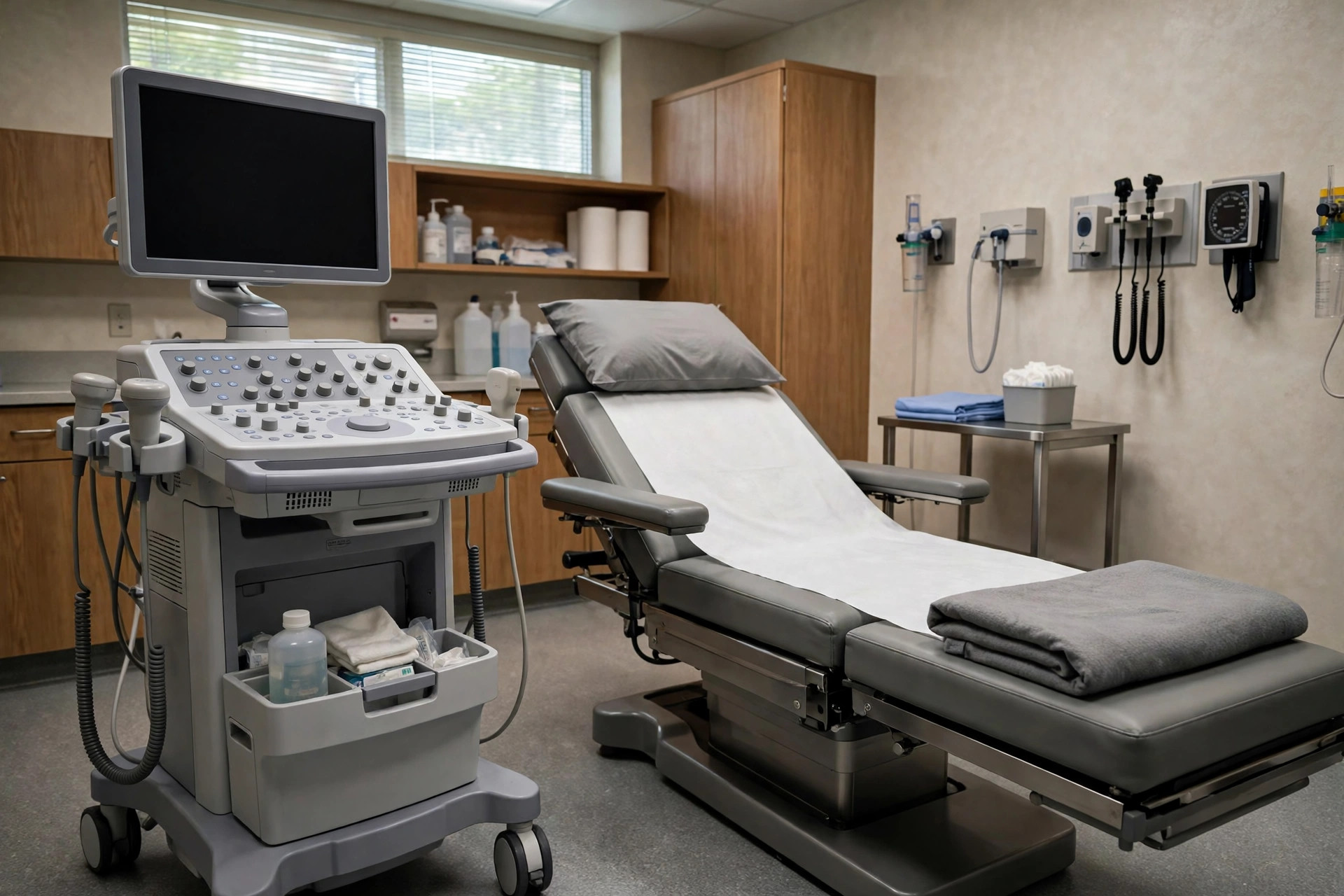
A transoesophageal echocardiogram is an ultrasound of the heart done with a probe passed gently down the food pipe (oesophagus), which sits directly behind the heart and gives very detailed pictures.
Why it is done
It is used when standard echo pictures are not clear enough — for example to look closely at heart valves, look for clots or infection inside the heart, or guide certain heart procedures.
How to prepare
You will be asked not to eat or drink for several hours beforehand. Tell the team about swallowing problems, oesophageal disease, allergies and dentures. Arrange for someone to take you home if you will have sedation.
What happens during the procedure
Your throat is numbed with a spray and you are usually given sedation through a vein. The thin probe is passed as you swallow, and pictures are taken for about 10 to 20 minutes. You are monitored throughout, and most people remember little of it afterwards.
Afterwards — recovery & results
You will recover in a monitored area until the sedation wears off and your throat numbness settles; you should not eat or drink until swallowing is back to normal. You should not drive for 24 hours after sedation.
Risks & considerations
Risks include a sore throat, reactions to sedation, and rarely injury to the oesophagus. The team checks your history carefully beforehand, and the probe is passed gently with monitoring throughout.
Related guides on MedicalVideos.com
Frequently asked questions
Will I be asleep?
Most people have conscious sedation — relaxed and drowsy rather than fully asleep — plus throat numbing spray. Some centres use a general anaesthetic for longer procedures.
Why can't the normal chest echo see this?
Lung and ribs can block the view from the chest. From the oesophagus there is nothing in the way, so valve and clot detail is much clearer.
Related procedures — Heart Tests & Procedures
Browse the T section of the A–Z list or return to the Procedures & Tests hub.