
- Physical Examination
- Surgical Examination
- Ophthalmology
- Clinical Skills
- Orthopedics
- Surgery Videos
- Laparoscopy
- Pediatrics
- Funny Videos
- Cardiothoracic Surgery
- Nursing Videos
- Plastic Surgery
- Otorhinolaryngology
- Histology and Histopathology
- Neurosurgery
- Dermatology
- Pediatric Surgery
- Urology
- Dentistry
- Oncology and Cancers
- Anatomy Videos
- Health and Fitness
- Radiology
- Anaesthesia
- Physical Therapy
- Pharmacology
- Interventional Radiology
- Cardiology
- Endocrinology
- Gynecology
- Emergency Medicine
- Psychiatry and Psychology
- Childbirth Videos
- General Medical Videos
- Nephrology
- Physiology
- Diet and Food Health
- Diabetes Mellitus
- Neurology
- Women Health
- Osteoporosis
- Gastroenterology
- Pulmonology
- Hematology
- Rheumatology
- Toxicology
- Nuclear Medicine
- Infectious Diseases
- Vascular Disease
- Reproductive Health
- Burns and Wound Healing
- Kidney Zone Podcast
- Other
Transrectal ultrasound and prostate biopsy guidance
Category: Imaging & Scans · All imaging & scans
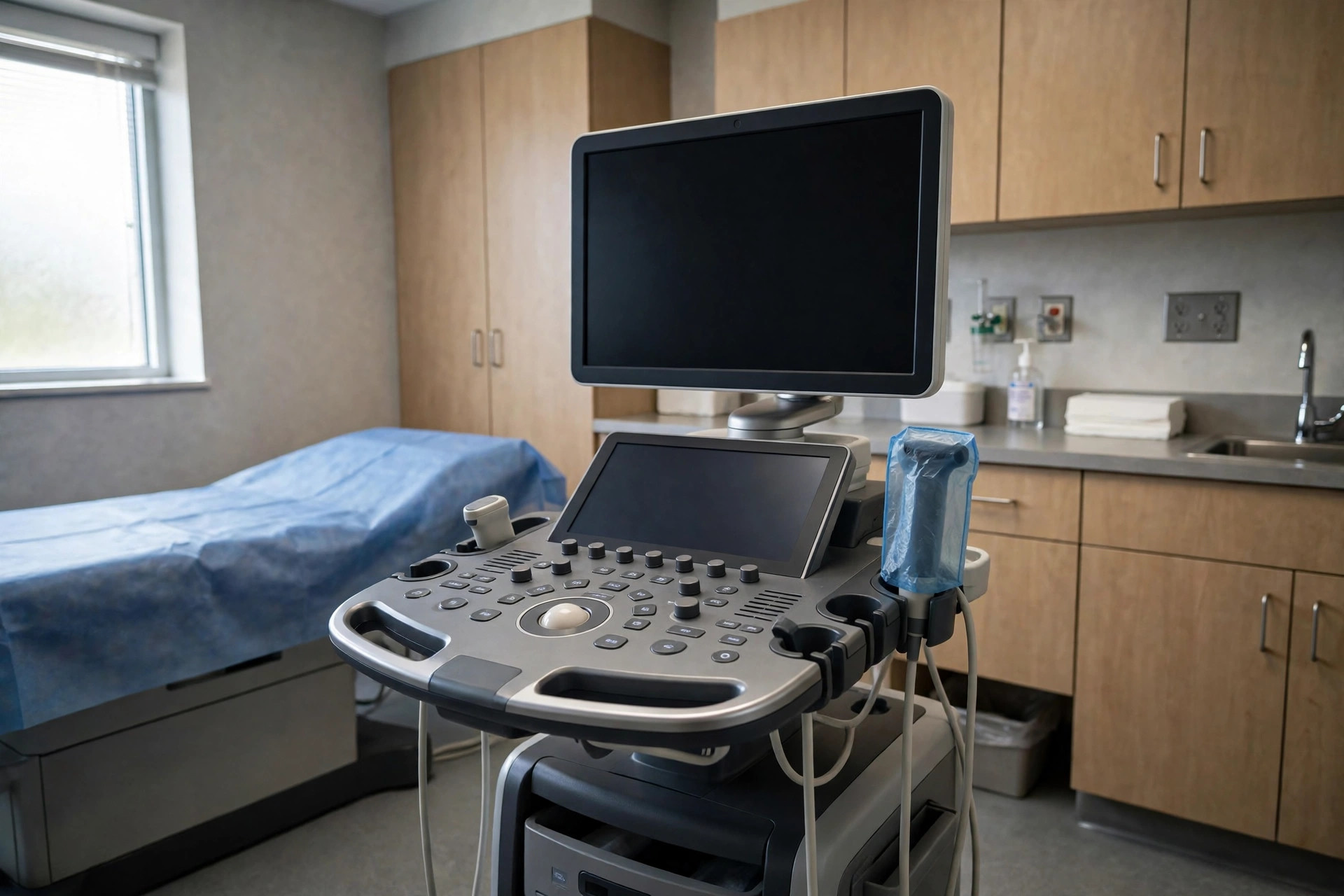
What it is
A transrectal ultrasound (TRUS) uses a slim ultrasound probe placed in the back passage to picture the prostate gland in detail. It is often combined with taking small tissue samples (biopsies) from the prostate.
Why it is done
It is used to investigate a raised PSA blood test or an abnormal prostate examination, to measure the prostate and to guide biopsy needles accurately.
How to prepare
You may be given antibiotics around the procedure to reduce infection risk, and sometimes a small enema beforehand. Tell the team about blood-thinning medicines, allergies and any previous prostate infections.
What happens during the procedure
You lie on your side with knees drawn up. The covered, lubricated probe is gently inserted and pictures are taken. If biopsies are planned, the prostate is numbed with local anaesthetic and a spring-loaded needle takes samples through the probe guide; you will hear clicks and feel brief pressure. The appointment usually takes 20 to 30 minutes.
Afterwards — recovery & results
You can usually go home the same day. Some blood in the urine, semen or from the back passage for a few days is common. Seek help promptly for fever, shivering, difficulty passing urine or heavy bleeding, which can signal infection.
Risks & considerations
The main risks are infection (including, rarely, serious blood infection), bleeding, and temporary difficulty passing urine. Antibiotics and careful technique keep these uncommon. Biopsy results usually take one to two weeks.
Related guides on MedicalVideos.com
Frequently asked questions
Why is the biopsy done through the back passage?
The prostate sits directly in front of the rectum, so this route gives the clearest picture and the most accurate needle path. Some centres now use a route through the skin between the legs instead.
How many samples are taken?
Typically a series of small samples from different areas of the prostate, so the laboratory can check each region. The exact number varies by centre.
Related procedures — Imaging & Scans
Browse the T section of the A–Z list or return to the Procedures & Tests hub.