
- Physical Examination
- Surgical Examination
- Ophthalmology
- Clinical Skills
- Orthopedics
- Surgery Videos
- Laparoscopy
- Pediatrics
- Funny Videos
- Cardiothoracic Surgery
- Nursing Videos
- Plastic Surgery
- Otorhinolaryngology
- Histology and Histopathology
- Neurosurgery
- Dermatology
- Pediatric Surgery
- Urology
- Dentistry
- Oncology and Cancers
- Anatomy Videos
- Health and Fitness
- Radiology
- Anaesthesia
- Physical Therapy
- Pharmacology
- Interventional Radiology
- Cardiology
- Endocrinology
- Gynecology
- Emergency Medicine
- Psychiatry and Psychology
- Childbirth Videos
- General Medical Videos
- Nephrology
- Physiology
- Diet and Food Health
- Diabetes Mellitus
- Neurology
- Women Health
- Osteoporosis
- Gastroenterology
- Pulmonology
- Hematology
- Rheumatology
- Toxicology
- Nuclear Medicine
- Infectious Diseases
- Vascular Disease
- Reproductive Health
- Burns and Wound Healing
- Kidney Zone Podcast
- Other
Uterine Fibroids
Uterine fibroids are noncancerous growths that develop in or on the wall of the uterus, also called the womb. This page explains their symptoms, causes, and treatment in plain language, with videos to help you follow the key points.
✓ Medically reviewed by Dr. Mohamed Ibrahim, MD, PhD — physician-scientist · Last reviewed: November 2026
In short: Fibroids are very common and often cause no symptoms at all. When they do, heavy or prolonged periods, pelvic pressure, and frequent urination are typical. Treatment ranges from watchful waiting and medicines to procedures or surgery, depending on symptoms and plans for pregnancy.
Watch: Uterine Fibroids videos


Read: the plain-language guide
Overview
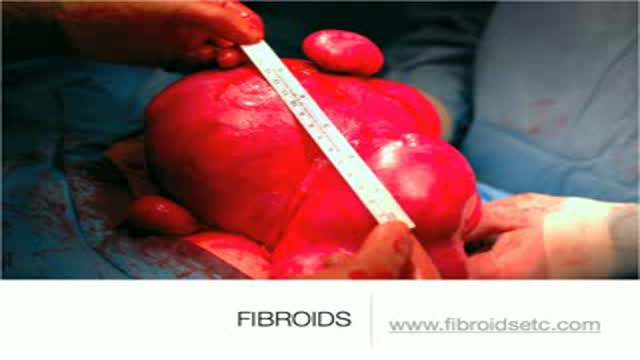
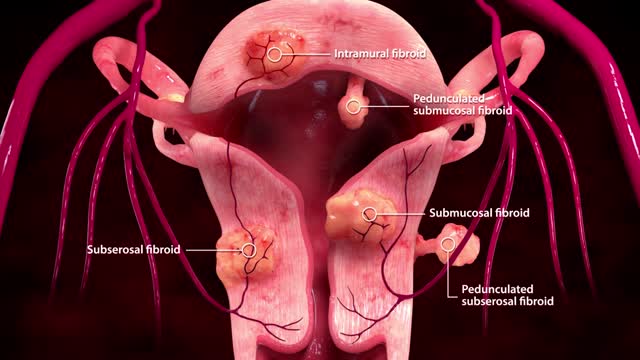
Fibroids grow from the muscle tissue of the uterus. They can be tiny or large, single or many, and may sit inside the uterine wall, project into the cavity, or grow on the outer surface. They are not cancer and almost never develop into cancer. Many women have fibroids without knowing it, because small ones often cause no problems. Larger fibroids, or those pressing into the cavity, are more likely to cause heavy bleeding or pressure symptoms. Fibroids usually grow during the reproductive years and tend to shrink after menopause, when hormone levels fall.
Symptoms
Many fibroids cause no symptoms. When symptoms occur, heavy or prolonged menstrual bleeding is the most common, sometimes leading to tiredness from anemia. Periods may also be more painful than before. Pressure symptoms include a feeling of fullness in the pelvis, frequent urination if a fibroid presses on the bladder, constipation if it presses on the bowel, and lower back or leg discomfort. Some women notice abdominal swelling. Fibroids can sometimes make it harder to become pregnant or contribute to pregnancy complications, depending on their size and position.
Causes & risk factors
The exact cause of fibroids is not known. They develop from a single muscle cell in the uterine wall that multiplies to form a firm, rubbery mass. The female hormones estrogen and progesterone appear to promote their growth, which is why fibroids arise during the reproductive years and shrink after menopause. Family history matters: having a close relative with fibroids raises the chance of developing them. They often begin in the thirties and forties, though they can appear earlier, and they are found more often in some ethnic groups than others.
How it's diagnosed
A clinician may suspect fibroids during a pelvic examination if the uterus feels enlarged or irregular. An ultrasound scan, usually through the abdomen or vagina, is the standard way to confirm them and measure their size and position. Sometimes a scan with fluid gently placed in the uterus, or an MRI scan, gives a clearer picture before treatment. Blood tests may check for anemia when bleeding is heavy. Occasionally a thin telescope is used to look inside the uterus when the lining needs closer assessment.
Treatment overview
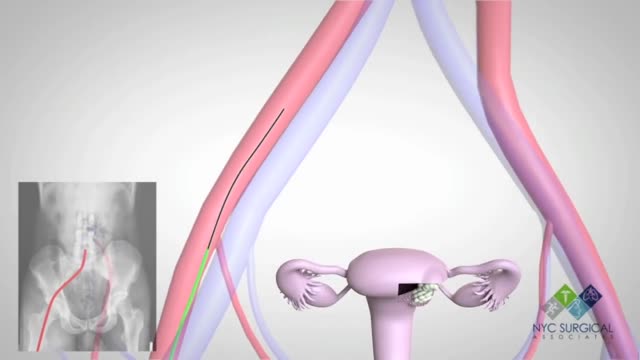
Treatment depends on symptoms, fibroid size and position, age, and whether pregnancy is planned. Fibroids causing no symptoms often need only watchful waiting with periodic review. Medicines can ease heavy bleeding or pain, and hormone-based treatments can shrink fibroids for a time. Procedures that block the blood supply to fibroids can shrink them while preserving the uterus. Surgery can remove individual fibroids, which suits women wishing to keep fertility, or remove the uterus, which ends fibroid problems permanently but also ends pregnancy. Each option has benefits and trade-offs to discuss.
When to seek care
Seek prompt care for bleeding so heavy that pads or tampons soak through quickly, severe pelvic pain that comes on suddenly, or dizziness and faintness from blood loss. Arrange a review for periods that are becoming heavier, pelvic pressure that is worsening, or difficulty becoming pregnant.
Frequently asked questions
Are uterine fibroids cancerous?
No. Uterine fibroids are noncancerous growths of muscle tissue, and they almost never turn into cancer. A separate, rare cancer of the uterine muscle exists, but it is not thought to develop from an ordinary fibroid.
Do fibroids always need treatment?
No. Many fibroids cause no symptoms and simply need monitoring with periodic review and scans if they change. Treatment is usually considered when bleeding, pain, or pressure affects daily life, or when fibroids interfere with pregnancy plans.
Can fibroids affect pregnancy?
Many women with fibroids have normal pregnancies. Depending on size and position, fibroids can sometimes make conception harder or raise the chance of complications such as pain, malposition of the baby, or cesarean delivery, so early discussion with a clinician helps.
Do fibroids shrink after menopause?
Usually, yes. Fibroids are encouraged to grow by estrogen and progesterone, and when hormone levels fall after menopause they commonly shrink and symptoms ease. New growth or bleeding after menopause should always be checked promptly by a clinician.
More in Women's Health
Related topics on MedicalVideos.com
Sources & further reading
Authoritative references for readers who want to go deeper:
This page is for general education only and is not medical advice. Bleeding heavy enough to soak through protection quickly, or faintness from blood loss with fibroids, needs same-day urgent care.