
- Physical Examination
- Surgical Examination
- Ophthalmology
- Clinical Skills
- Orthopedics
- Surgery Videos
- Laparoscopy
- Pediatrics
- Funny Videos
- Cardiothoracic Surgery
- Nursing Videos
- Plastic Surgery
- Otorhinolaryngology
- Histology and Histopathology
- Neurosurgery
- Dermatology
- Pediatric Surgery
- Urology
- Dentistry
- Oncology and Cancers
- Anatomy Videos
- Health and Fitness
- Radiology
- Anaesthesia
- Physical Therapy
- Pharmacology
- Interventional Radiology
- Cardiology
- Endocrinology
- Gynecology
- Emergency Medicine
- Psychiatry and Psychology
- Childbirth Videos
- General Medical Videos
- Nephrology
- Physiology
- Diet and Food Health
- Diabetes Mellitus
- Neurology
- Women Health
- Osteoporosis
- Gastroenterology
- Pulmonology
- Hematology
- Rheumatology
- Toxicology
- Nuclear Medicine
- Infectious Diseases
- Vascular Disease
- Reproductive Health
- Burns and Wound Healing
- Kidney Zone Podcast
- Other
Gallstones
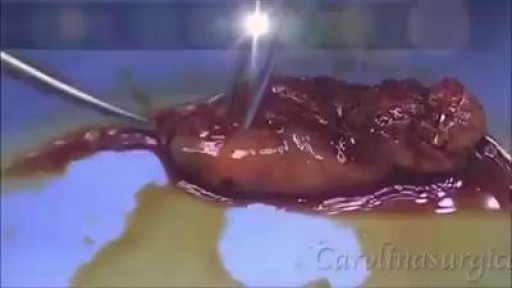
Gallstones are small, hard deposits that form inside the gallbladder, a small pouch under the liver that stores bile. This page explains their symptoms, causes, and treatment in plain language, with videos to help you follow the key points.
✓ Medically reviewed by Dr. Mohamed Ibrahim, MD, PhD — physician-scientist · Last reviewed: November 2026
In short: Many gallstones cause no trouble at all and are found by chance. When a stone blocks a bile duct, it can trigger sudden, intense upper abdominal pain called biliary colic. Stones that cause repeated attacks or complications are usually treated by removing the gallbladder.
Watch: Gallstones videos
Read: the plain-language guide
Overview
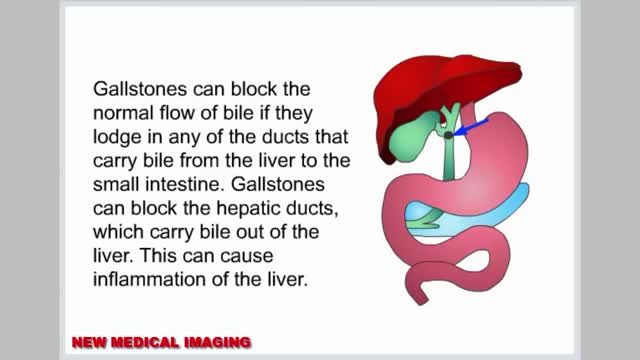
Bile is a fluid made by the liver that helps digest fats. It is stored and concentrated in the gallbladder, then released into the intestine after meals. Gallstones form when substances in bile, mainly cholesterol or pigment, harden into stones. They range from grains to pebbles, and a person may have one or many. Most sit quietly in the gallbladder for years. Problems begin when a stone moves and blocks the outlet of the gallbladder or a bile duct, or when infection develops behind the blockage.
Symptoms
The classic symptom is biliary colic: a sudden, gripping pain in the upper right or centre of the abdomen, sometimes spreading to the back or right shoulder. Attacks often follow a fatty meal, build over minutes, and ease within a few hours. Nausea and vomiting may accompany the pain. If the gallbladder becomes inflamed, pain lasts longer and comes with fever. A stone blocking the main bile duct can cause yellowing of the skin or eyes, pale stools, and dark urine.
Causes & risk factors
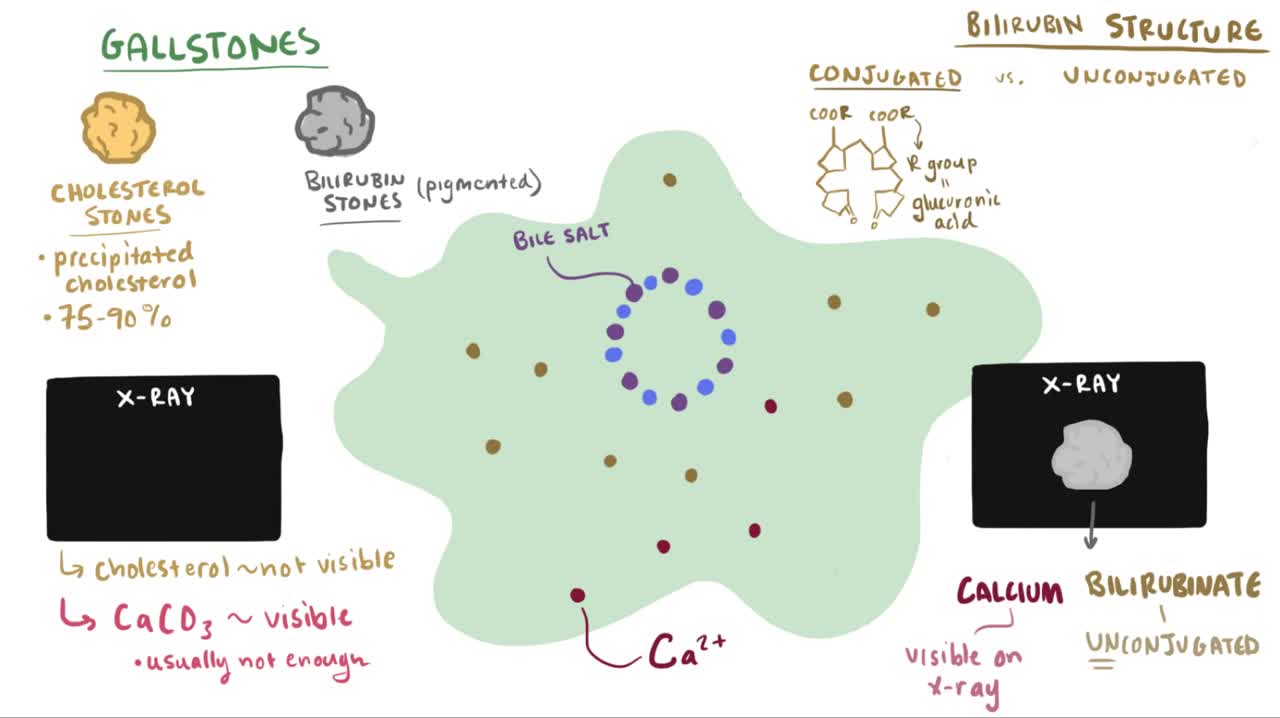
Gallstones form when bile contains more cholesterol than it can dissolve, when the gallbladder does not empty fully, or when pigment levels are high because of certain blood or liver conditions. Risk rises with age and is higher in women. Carrying extra weight, rapid weight loss, pregnancy, and a family history all increase the chance of stones. Diets high in fat and low in fibre may contribute. Because so many factors overlap, stones are common and often nobody's fault.
How it's diagnosed
An ultrasound scan is the usual first test and shows stones in the gallbladder clearly. Blood tests check for inflammation, infection, and whether bile flow is blocked. If a stone in the main duct is suspected, a specialised scan or an endoscopic procedure may be used to look more closely and sometimes remove the stone. Clinicians also consider other causes of upper abdominal pain, such as indigestion, ulcers, and pancreatitis, because the symptoms can overlap.
Treatment overview
Stones that cause no symptoms usually need no treatment. Painkillers and anti-sickness medicine help during an attack, and avoiding very fatty meals may reduce attacks while awaiting review. The lasting treatment for troublesome stones is surgery to remove the gallbladder, usually by keyhole surgery; people live normally without it, as bile then flows directly from the liver. Infected or blocked ducts need urgent hospital treatment, sometimes with an endoscopic procedure to clear the duct before or instead of surgery.
When to seek care
Seek urgent care for abdominal pain that lasts several hours, fever with gallbladder pain, or yellowing of the skin or eyes. Vomiting that will not settle, pain that keeps returning, or being unable to eat and drink because of pain should also be assessed the same day rather than managed at home.
Frequently asked questions
Can gallstones go away on their own?
Gallstones rarely dissolve by themselves, and medicines that dissolve them work slowly and only for certain small cholesterol stones. Stones that cause no symptoms can simply be watched, but troublesome stones usually return until the gallbladder is removed.
Can I live normally without a gallbladder?
Yes. The liver keeps making bile, which drips directly into the intestine instead of being stored. Most people eat normally after recovery, although some notice looser stools with very fatty meals at first. Digestion adjusts over time for most people.
What triggers a gallstone attack?
Attacks often follow a rich or fatty meal, because the gallbladder squeezes to release bile and can push a stone into its outlet. Attacks also happen at night or with no obvious trigger, so avoiding fatty food reduces but cannot eliminate them.
Are gallstones dangerous?
Silent gallstones are usually harmless. Danger comes from complications: gallbladder infection, a blocked bile duct causing jaundice or infection, or inflammation of the pancreas. Fever, jaundice, or pain lasting hours alongside gallstones should always be assessed urgently.
More in Digestive
Related topics on MedicalVideos.com
Sources & further reading
Authoritative references for readers who want to go deeper:
This page is for general education only and is not medical advice. Gallbladder pain with fever or yellowing of the eyes can signal infection or a blocked bile duct and needs urgent care.