
- Physical Examination
- Surgical Examination
- Ophthalmology
- Clinical Skills
- Orthopedics
- Surgery Videos
- Laparoscopy
- Pediatrics
- Funny Videos
- Cardiothoracic Surgery
- Nursing Videos
- Plastic Surgery
- Otorhinolaryngology
- Histology and Histopathology
- Neurosurgery
- Dermatology
- Pediatric Surgery
- Urology
- Dentistry
- Oncology and Cancers
- Anatomy Videos
- Health and Fitness
- Radiology
- Anaesthesia
- Physical Therapy
- Pharmacology
- Interventional Radiology
- Cardiology
- Endocrinology
- Gynecology
- Emergency Medicine
- Psychiatry and Psychology
- Childbirth Videos
- General Medical Videos
- Nephrology
- Physiology
- Diet and Food Health
- Diabetes Mellitus
- Neurology
- Women Health
- Osteoporosis
- Gastroenterology
- Pulmonology
- Hematology
- Rheumatology
- Toxicology
- Nuclear Medicine
- Infectious Diseases
- Vascular Disease
- Reproductive Health
- Burns and Wound Healing
- Kidney Zone Podcast
- Other
Neurosurgery Videos & Guides
Neurosurgery is the specialty of operations on the brain, spinal cord, spine and peripheral nerves, treating problems such as brain tumours, bleeding in the brain, hydrocephalus and trapped nerves. This page gathers MedicalVideos.com's neurosurgery library in one place: the most-watched videos from the Neurosurgery category (23 videos as of November 2026), the condition guides that belong to this specialty, and links to related neurology and anatomy resources.
✓ Medically reviewed by Dr. Mohamed Ibrahim, MD, PhD — physician-scientist · Last reviewed: November 2026
Top videos
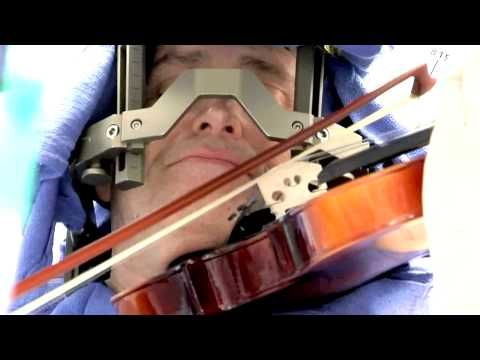 Deep Brain Stimulation - Awake Surgery - Mayo Clinic3,020 views
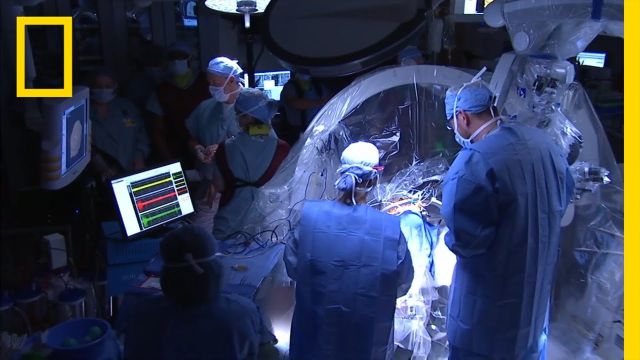 Greg's First In-Surgery Conversation | Brain Surgery Live1,364 views
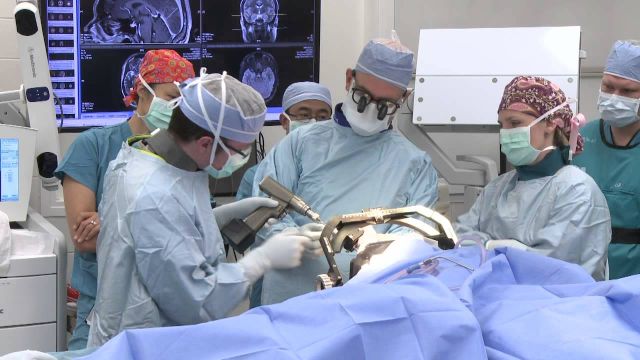 What Happens During a Laser Ablation Surgery for Epilepsy?1,313 views
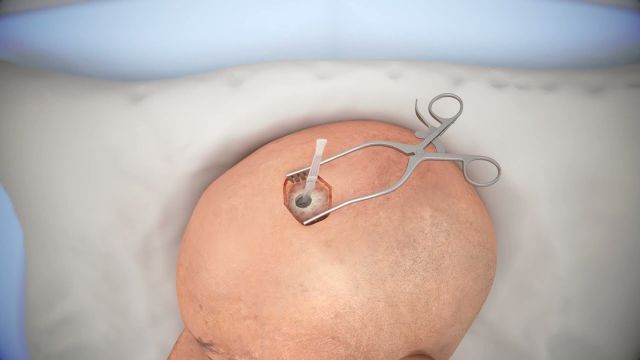 Ventriculostomy Brain Surgery - 3d animation1,139 views
 Precision Brain Surgery Video – Brigham and Women’s Hospital913 views
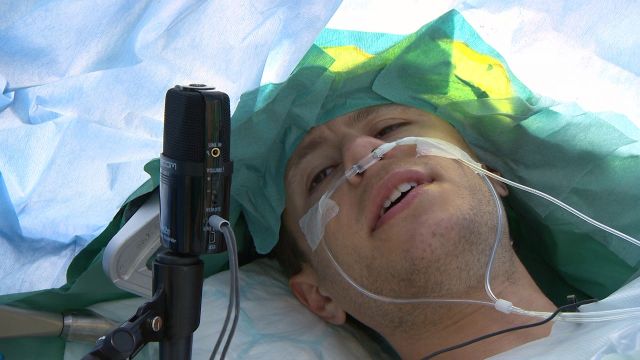 Awake brain surgery (Inside Out longer film)624 views
About Neurosurgery
Neurosurgeons work with microscopes and image guidance to operate in very delicate territory. Their cases range from planned tumour and spine surgery to emergencies such as head injuries and strokes caused by bleeding. Many back and neck problems are managed without surgery first, and an operation is offered when scans and symptoms point to a problem surgery can fix.
The library's neurosurgery collection is small but focused: real operations, including awake brain surgery and deep brain stimulation, with condition guides for the problems behind them alongside.
Training in neurosurgery is among the longest in medicine, reflecting the stakes of operating on the brain and spinal cord. The specialty works hand in hand with neurology — the two share clinics for epilepsy, movement disorders and tumours — and with interventional neuroradiology, which treats some aneurysms and strokes from inside the vessels. Many neurosurgical units also run the major trauma neurosurgery rota for their region.
Neurosurgery in practice
Neurosurgical planning is image-led: MRI and CT scans are fused with navigation systems that guide the surgeon to the target while avoiding the brain's working areas. Some operations, such as deep brain stimulation and certain tumour removals, are done with the patient awake so function can be tested during surgery.
Not every neurosurgical problem is operated on. Small aneurysms, many disc prolapses and some tumours are watched with scans and clinic reviews, and surgery is offered when the balance of risk shifts. Recovery typically involves neuro-rehabilitation and close imaging follow-up.
People reach a neurosurgeon through emergency care, a neurologist, or a scan done for another reason that finds something unexpected. Clinic appointments review the actual images with you, and for many findings the recommendation is surveillance rather than surgery. If an operation is advised, ask what it aims to achieve, what the alternatives are, and what recovery realistically involves; the guides here explain the commonest findings.
Condition guides
Reference & hubs
Common questions
What does a neurosurgeon do?
A neurosurgeon performs operations on the brain, spinal cord, spine and peripheral nerves — for tumours, bleeding, hydrocephalus, disc prolapse, trapped nerves and injuries. They also help decide when a brain or spine problem is better treated without an operation.
What can I watch and read about neurosurgery on MedicalVideos.com?
You can watch the most-watched videos from the site's Neurosurgery category — 23 videos as of November 2026 — including deep brain stimulation and laser ablation operations, and read condition guides for hydrocephalus, stroke and back pain.
What is the difference between a neurosurgeon and a neurologist?
A neurologist diagnoses and treats brain and nerve conditions mainly with medicines and tests, while a neurosurgeon treats the conditions that need an operation. The two work closely together, and many patients see both during the same illness.
More in Surgical
Sources
- American Association of Neurological Surgeons (AANS)
- MedlinePlus — Brain and spine surgery (MedlinePlus)
This page is general education only and is not medical advice. It gathers videos and guides published on MedicalVideos.com for one specialty; it does not replace assessment or treatment by your own clinician. Video counts are the counts shown on the site's category pages in November 2026.