
- Physical Examination
- Surgical Examination
- Ophthalmology
- Clinical Skills
- Orthopedics
- Surgery Videos
- Laparoscopy
- Pediatrics
- Funny Videos
- Cardiothoracic Surgery
- Nursing Videos
- Plastic Surgery
- Otorhinolaryngology
- Histology and Histopathology
- Neurosurgery
- Dermatology
- Pediatric Surgery
- Urology
- Dentistry
- Oncology and Cancers
- Anatomy Videos
- Health and Fitness
- Radiology
- Anaesthesia
- Physical Therapy
- Pharmacology
- Interventional Radiology
- Cardiology
- Endocrinology
- Gynecology
- Emergency Medicine
- Psychiatry and Psychology
- Childbirth Videos
- General Medical Videos
- Nephrology
- Physiology
- Diet and Food Health
- Diabetes Mellitus
- Neurology
- Women Health
- Osteoporosis
- Gastroenterology
- Pulmonology
- Hematology
- Rheumatology
- Toxicology
- Nuclear Medicine
- Infectious Diseases
- Vascular Disease
- Reproductive Health
- Burns and Wound Healing
- Kidney Zone Podcast
- Other
Anesthesiology Videos & Guides
Anesthesiology is the specialty of keeping patients safe and free of pain during surgery — through general anaesthesia, spinal and epidural blocks, and sedation — and of critical care and pain medicine. This page gathers MedicalVideos.com's anesthesiology library in one place: the most-watched videos from the Anaesthesia category (84 videos as of November 2026), the condition guides most relevant to the specialty, and links to procedure and recovery resources.
✓ Medically reviewed by Dr. Mohamed Ibrahim, MD, PhD — physician-scientist · Last reviewed: November 2026
Top videos
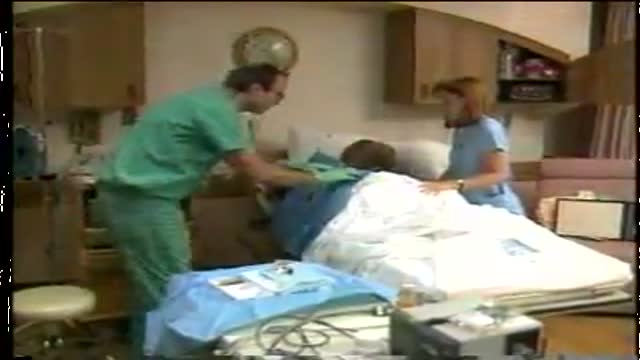 Full Epidural Anaesthesia Video39,488 views
 Intubation during General Anaesthesia 3D Animation39,279 views
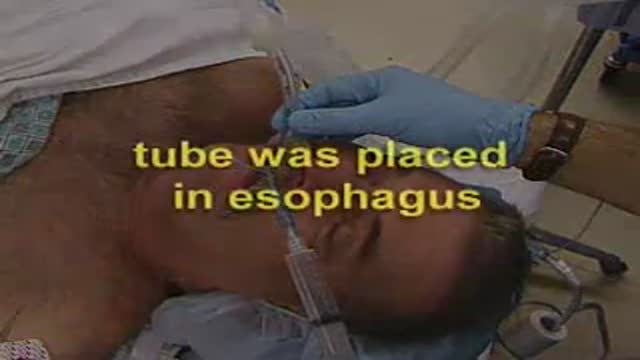 Intubation of the Esophagus38,671 views
 Brachial Plexus Block33,368 views
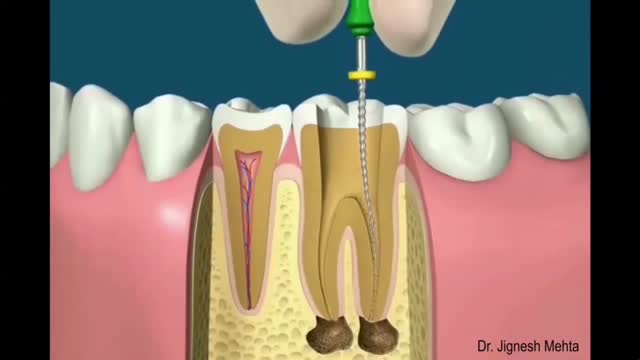 Root Canal treatment31,862 views
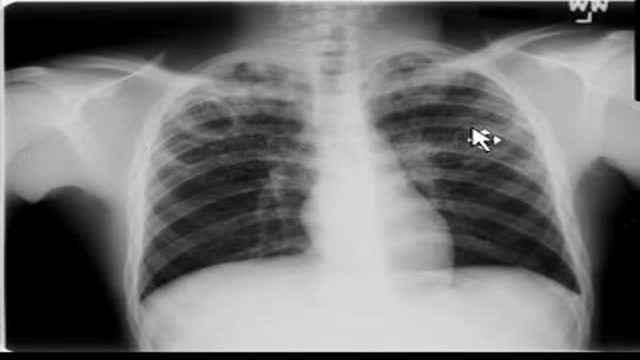 Chest x-ray --Tuberculosis30,298 views
About Anesthesiology
An anesthesiologist (anaesthetist) assesses patients before surgery, chooses and gives the anaesthetic, monitors breathing, circulation and temperature throughout the operation, and manages pain and recovery afterwards. The same specialists staff intensive care units and run many chronic pain services.
The videos here show intubation, epidural and spinal techniques and general anaesthesia step by step — the parts of an operation patients usually sleep through, explained for students, clinicians and anyone preparing for surgery.
Anesthesiology in practice
Before any operation, the anaesthesia team reviews your health, medicines and previous anaesthetics, and agrees a plan with you — including how pain will be handled afterwards. During surgery they watch the monitors continuously and adjust drugs, fluids and ventilation moment by moment.
Modern anaesthesia is very safe, and serious complications are uncommon. The common after-effects are temporary: feeling sick, a sore throat from a breathing tube, shivering and grogginess. Your team will explain the specific risks of the techniques planned for you, such as epidural or spinal blocks, before you decide.
Most people meet an anaesthetist only on the day of surgery, but the specialty also runs pre-assessment clinics for higher-risk patients, acute and chronic pain services, and much of intensive care medicine. If you are worried about anaesthesia — a previous bad experience, a difficult airway, allergies — saying so at pre-assessment gives the team time to plan around it.
Condition guides
Reference & hubs
Common questions
What does an anesthesiologist do?
An anesthesiologist is a doctor who gives anaesthetics for surgery, monitors and supports the patient's breathing, heart and circulation during the operation, and manages pain afterwards. Many also work in intensive care, labour pain relief and chronic pain clinics.
What can I watch and read about anesthesiology on MedicalVideos.com?
You can watch the most-watched videos from the site's Anaesthesia category — 84 videos as of November 2026 — including epidural anaesthesia and intubation demonstrations, and read related guides on surgery recovery and the conditions that commonly lead to surgery.
What is the difference between general and regional anaesthesia?
General anaesthesia makes the whole body unconscious and unaware. Regional anaesthesia numbs one area — for example a spinal or epidural block for the lower body, or a nerve block for an arm — while the patient stays awake or lightly sedated. The choice depends on the operation and the patient.
More in Surgical
Sources
- American Society of Anesthesiologists (ASA)
- MedlinePlus — Anesthesia (MedlinePlus)
This page is general education only and is not medical advice. It gathers videos and guides published on MedicalVideos.com for one specialty; it does not replace assessment or treatment by your own clinician. Video counts are the counts shown on the site's category pages in November 2026.