
- Physical Examination
- Surgical Examination
- Ophthalmology
- Clinical Skills
- Orthopedics
- Surgery Videos
- Laparoscopy
- Pediatrics
- Funny Videos
- Cardiothoracic Surgery
- Nursing Videos
- Plastic Surgery
- Otorhinolaryngology
- Histology and Histopathology
- Neurosurgery
- Dermatology
- Pediatric Surgery
- Urology
- Dentistry
- Oncology and Cancers
- Anatomy Videos
- Health and Fitness
- Radiology
- Anaesthesia
- Physical Therapy
- Pharmacology
- Interventional Radiology
- Cardiology
- Endocrinology
- Gynecology
- Emergency Medicine
- Psychiatry and Psychology
- Childbirth Videos
- General Medical Videos
- Nephrology
- Physiology
- Diet and Food Health
- Diabetes Mellitus
- Neurology
- Women Health
- Osteoporosis
- Gastroenterology
- Pulmonology
- Hematology
- Rheumatology
- Toxicology
- Nuclear Medicine
- Infectious Diseases
- Vascular Disease
- Reproductive Health
- Burns and Wound Healing
- Kidney Zone Podcast
- Other
Urology Videos & Guides
Urology is the specialty of the urinary tract in men and women — kidneys, bladder, prostate and urethra — and of the male reproductive system. This page gathers MedicalVideos.com's urology library in one place: the most-watched videos from the Urology category (145 videos as of November 2026), the condition guides that belong to this specialty, and links to the kidney hub and procedure explainers.
✓ Medically reviewed by Dr. Mohamed Ibrahim, MD, PhD — physician-scientist · Last reviewed: November 2026
Top videos
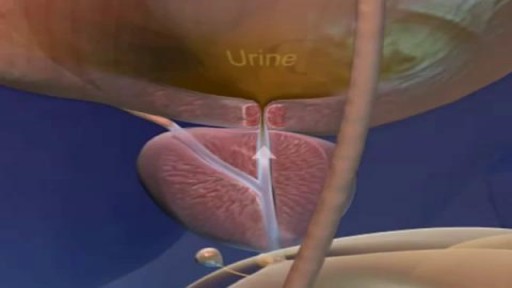 Sperm Formation and Pathway Ejaculation176,955 views
 How To Increase Your Testosterone Levels Naturally125,825 views
 How To Increase Testosterone Levels Naturally122,531 views
 No Scalpel Vasectomy98,932 views
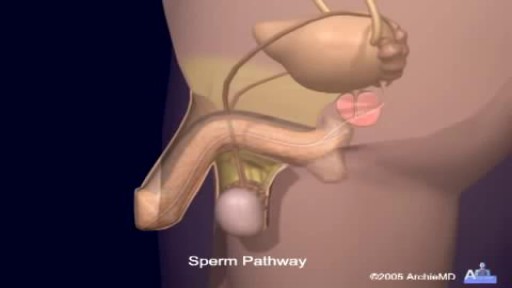 Sperm Formation and Ejaculation Process89,524 views
 What is The Average Male Genital Size?87,829 views
About Urology
Urologists treat kidney and bladder stones, prostate enlargement, urinary infections that keep returning, incontinence, and cancers of the prostate, bladder and kidney. Much of their surgery is done through telescopes passed along the urinary tract, so many procedures need no skin incision at all.
The videos here include prostate surgery (TURP), cystoscopy, stone treatments and vasectomy, explained step by step. Because the urinary tract starts at the kidney, this page also links to the Kidney & Transplant hub for the medical side of kidney care.
Urology works closely with nephrology — the two share the kidney from opposite sides, medicine and surgery — and with oncology for the specialty's cancers, which are among the commonest in men. Andrology, covering male fertility and sexual function, sits within urology in most services. Day-case rates are high: many urological procedures, including stone treatment and prostate surgery, now need only a short stay.
Urology in practice
Urology assessment combines symptom scores, urine tests, flow studies and ultrasound of the bladder and prostate, with cystoscopy — a telescope inspection of the bladder — when the inside must be seen. PSA blood tests and prostate examination guide decisions about further investigation.
Many urological operations are endoscopic: instruments passed along the natural passages shave prostate tissue, blast stones or remove bladder tumours without a skin cut. The procedure explainers and recovery guides linked here describe what to expect from the commonest of them.
Referral follows urinary symptoms, blood in the urine, a raised PSA, stones or scrotal problems. Blood in the urine — even once, even painless — should always be checked promptly. Urology clinics often complete examination, ultrasound and bladder inspection in one visit. The kidney stone and prostate guides here explain the commonest pathways and the choices at each step.
Condition guides
Reference & hubs
Common questions
What does a urologist do?
A urologist diagnoses and treats conditions of the urinary tract — kidneys, ureters, bladder and urethra — in all genders, and of the male reproductive organs. They manage stones, prostate problems, infections, incontinence and urinary tract cancers, with medicines and with surgery.
What can I watch and read about urology on MedicalVideos.com?
You can watch the most-watched videos from the site's Urology category — 145 videos as of November 2026 — and read condition guides for prostate enlargement, kidney stones, urinary infections, incontinence and other urinary problems.
When should I see a urologist?
People are usually referred for blood in the urine, difficulty passing urine, recurrent urinary infections, kidney stones, or prostate concerns. Blood in the urine should always be checked promptly, even if it happens only once and clears.
More in Surgical
Sources
- American Urological Association (AUA)
- MedlinePlus — Urinary tract and prostate disorders (MedlinePlus)
This page is general education only and is not medical advice. It gathers videos and guides published on MedicalVideos.com for one specialty; it does not replace assessment or treatment by your own clinician. Video counts are the counts shown on the site's category pages in November 2026.