
- Physical Examination
- Surgical Examination
- Ophthalmology
- Clinical Skills
- Orthopedics
- Surgery Videos
- Laparoscopy
- Pediatrics
- Funny Videos
- Cardiothoracic Surgery
- Nursing Videos
- Plastic Surgery
- Otorhinolaryngology
- Histology and Histopathology
- Neurosurgery
- Dermatology
- Pediatric Surgery
- Urology
- Dentistry
- Oncology and Cancers
- Anatomy Videos
- Health and Fitness
- Radiology
- Anaesthesia
- Physical Therapy
- Pharmacology
- Interventional Radiology
- Cardiology
- Endocrinology
- Gynecology
- Emergency Medicine
- Psychiatry and Psychology
- Childbirth Videos
- General Medical Videos
- Nephrology
- Physiology
- Diet and Food Health
- Diabetes Mellitus
- Neurology
- Women Health
- Osteoporosis
- Gastroenterology
- Pulmonology
- Hematology
- Rheumatology
- Toxicology
- Nuclear Medicine
- Infectious Diseases
- Vascular Disease
- Reproductive Health
- Burns and Wound Healing
- Kidney Zone Podcast
- Other
Metallic taste in the mouth
✓ Medically reviewed by Mohamed Magdy Ibrahim, MD, PhD — Assistant Professor of Medicine, Transplant Nephrology, University of Maryland School of Medicine · Board certified in Internal Medicine (ABIM) · Last reviewed: November 2026
Category: Head, Eyes, Ears, Nose & Throat · All head & senses symptoms
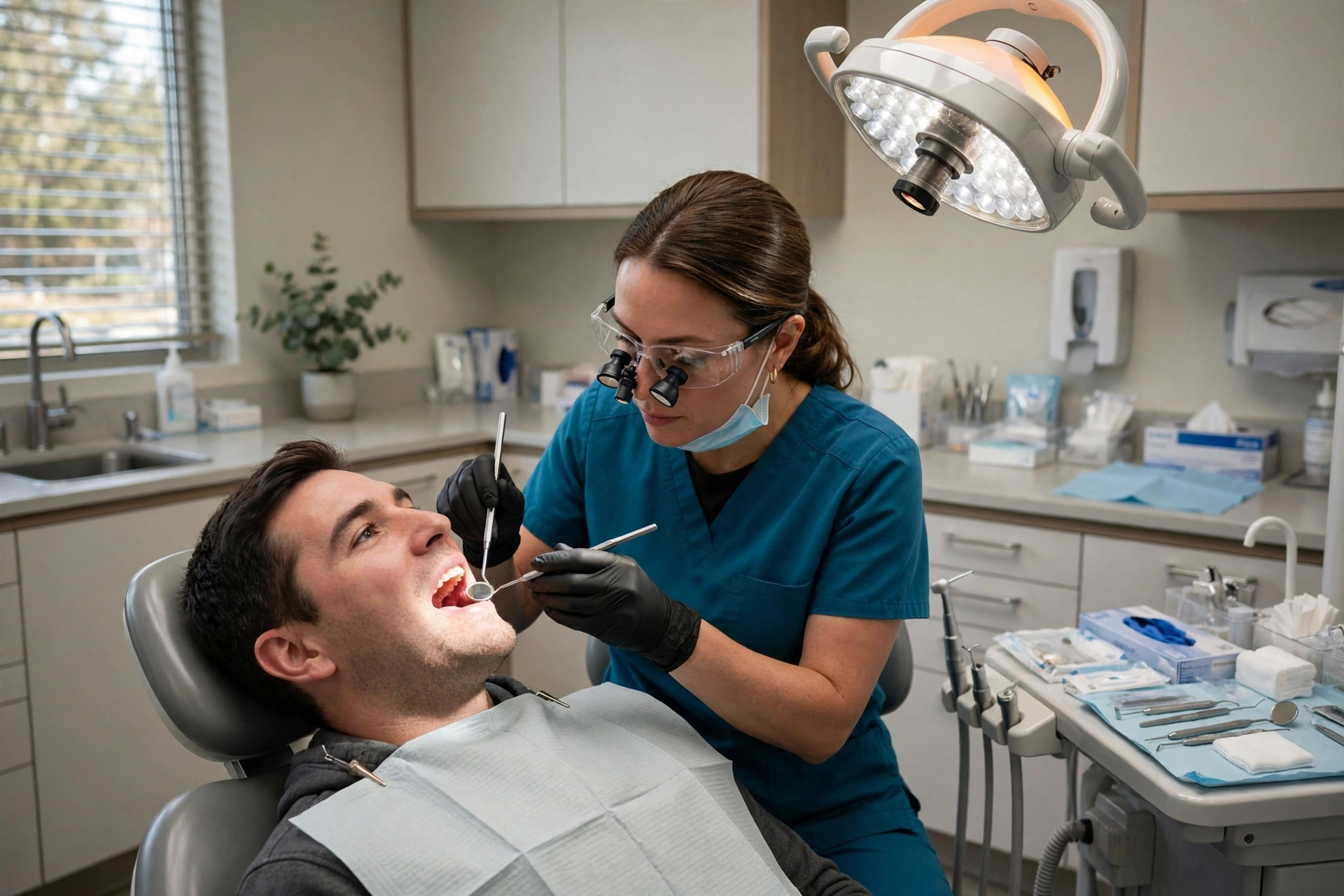
What it can feel like
A metallic taste is a persistent bitter, coppery or blood-like taste in the mouth that is not explained by what you have eaten (the medical term is dysgeusia). It is usually a side issue of medicines, the nose and sinuses, the mouth itself, or reflux — but it can occasionally reflect a whole-body condition, so a taste change that will not go away deserves a review.
Possible causes
A symptom can have many causes, and most are not serious. The lists below group conditions this symptom can be associated with — common causes first. They are possibilities to discuss with a clinician, not a diagnosis.
Common causes
A metallic taste can be associated with medicines (including some antibiotics and blood-pressure tablets), reflux, sinus problems and postnasal drip, dental problems and gum disease, a dry mouth, and the taste changes of pregnancy.
Other possible causes
It can also be associated with changes in taste after viral infections including COVID-19, vitamin deficiencies, diabetes, and chronic kidney disease, where waste products building up in the blood alter taste.
Red flags — when to seek help promptly
- A taste change arriving suddenly with facial weakness, speech change or limb weakness — seek emergency help
- A metallic taste with unexplained weight loss
- A persistent taste change with one-sided blocked nose or nosebleeds
- A metallic taste with excessive thirst and passing much more urine than usual (possible diabetes)
What a clinician may do
A clinician will review your medicines first, then examine the mouth, teeth and nose. Blood tests commonly cover kidney function, blood sugar and thyroid, and a dental review is arranged if the mouth looks like the source.
Related guides on MedicalVideos.com
Frequently asked questions
Can medicines cause a metallic taste?
Yes — it is a well-recognised side effect of several common medicines, and it often starts within days of a new prescription. Do not stop a prescribed medicine on your own; tell your clinician, who can often substitute or reassure once other causes are excluded.
When should a changed sense of taste be checked?
When it persists beyond a few weeks without explanation, when it affects one side only, or when it arrives with weight loss, excessive thirst, or nose and sinus symptoms on one side. Taste changes are rarely serious, but persistence is the trigger for a proper look.
Related symptoms — Head, Eyes, Ears, Nose & Throat
Browse the M section of the A–Z list or return to the Symptoms A–Z hub.