
- Physical Examination
- Surgical Examination
- Ophthalmology
- Clinical Skills
- Orthopedics
- Surgery Videos
- Laparoscopy
- Pediatrics
- Funny Videos
- Cardiothoracic Surgery
- Nursing Videos
- Plastic Surgery
- Otorhinolaryngology
- Histology and Histopathology
- Neurosurgery
- Dermatology
- Pediatric Surgery
- Urology
- Dentistry
- Oncology and Cancers
- Anatomy Videos
- Health and Fitness
- Radiology
- Anaesthesia
- Physical Therapy
- Pharmacology
- Interventional Radiology
- Cardiology
- Endocrinology
- Gynecology
- Emergency Medicine
- Psychiatry and Psychology
- Childbirth Videos
- General Medical Videos
- Nephrology
- Physiology
- Diet and Food Health
- Diabetes Mellitus
- Neurology
- Women Health
- Osteoporosis
- Gastroenterology
- Pulmonology
- Hematology
- Rheumatology
- Toxicology
- Nuclear Medicine
- Infectious Diseases
- Vascular Disease
- Reproductive Health
- Burns and Wound Healing
- Kidney Zone Podcast
- Other
Top videos
The most-watched medical videos on MedicalVideos.com — ranked by views from our community of medical students, healthcare professionals, and patients learning how the body works.


How to give an intramuscular injection into the gluteal site is demonstrated in this clinical-skills video, including landmarking, preparation, and injection technique. IM injections are a routine method of delivering many medications and vaccines. For nursing and medical training. Procedure education only — not personal medical advice.
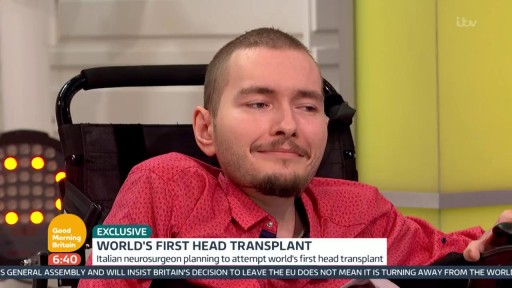
This video reports on the idea of head transplant surgery — an experimental concept in transplant medicine that has drawn worldwide attention and debate. It outlines what such an operation would involve and the scientific and ethical questions surrounding it. Presented for learning and discussion. For learning purposes only — not medical advice.
You may have heard that some positions, such as your partner on top (missionary position), are better than others for getting pregnant. In fact, there's no evidence to back these theories up. Experts just haven't done the research yet. What experts have done, though, is use scanning to show what's going on inside when you're doing the deed. The research looked at two positions: the missionary position and doggy style. (Doggy style being when you're on all fours, and your partner enters you from behind). Common sense tells us that these positions allow for deep penetration. This means that they're more likely to place sperm right next to your cervix (the opening of your uterus). The scans confirm that the tip of the penis reaches the areas between the cervix and vaginal walls in both of these positions. The missionary position allows the penis to reach the area at the front of the cervix. The rear entry position reaches the area at back of the cervix. It's amazing what some experts spend their time doing, isn't it! Other positions, such as standing up, or woman on top, may be just as good for getting sperm right next to the cervix. We just don't know yet. So, in the meantime, enjoy some variety in your sex life and keep it fun while you're trying for a baby. And talk to others who are hoping to get pregnant by joining our Actively trying group. Do I have to have an orgasm to conceive? Obviously, it's very important for your partner to reach orgasm if you are trying for a baby. There is no evidence, however, that you need to orgasm to conceive. The female orgasm is all about pleasure and satisfaction. It doesn't really help to get the sperm to the egg. Gentle contractions in your uterus can help the sperm along, but these happen without you having an orgasm. So, it's really not vital for you to reach orgasm after your partner, or even to reach orgasm at all, for you to conceive.
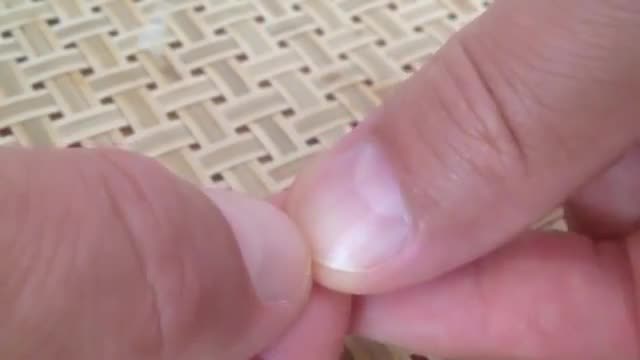
A simple test of fingernail clippings could replace a blood draw as a way to diagnose and monitor type 2 diabetes mellitus (T2DM), with huge implications for tracking the disease in the developing world. Research on this method by a team of Belgian researchers was reported July 28, 2015, at the 2015 American Association for Clinical Chemistry (AACC) Annual Meeting and Clinical Lab Expo in Atlanta. The team, led by Joris R. Delanghe, MD, PhD, of the Department of Global Chemistry, Microbiology and Immunology at Ghent University, collected nail clippings from 25 people with T2DM and 25 without the disease. The clippings were ground into a powder and tested with an inexpensive FT-IR photometer to measure how much the protein in the nails had bonded with sugar molecules, a process known as glycation. “We found a striking difference in the measurements between the control group and the patients with diabetes,” Delanghe said. In an interview with Evidence-Based Diabetes Management, he said replacing the standard blood test to measure glycated hemoglobin is a huge advantage. In many cultures, he said, “Taking blood is something that cannot be tolerated.” - See more at: http://www.ajmc.com/journals/evidence-based-diabetes-management/2015/september-2015/fingernail-tests-may-offer-cheap-simple-way-to-diagnose-diabetes#sthash.XQxnBcNO.dpuf
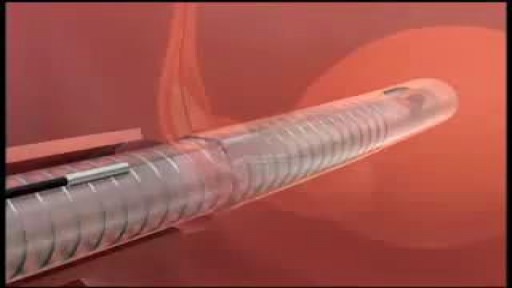
Insertion and removal of a male urethral stent catheter is demonstrated in this clinical-skills video. Urethral stents are used to keep the urinary channel open, most often in relation to prostate enlargement. A procedure resource for urology and nursing trainees. Procedure education only — not personal medical advice.
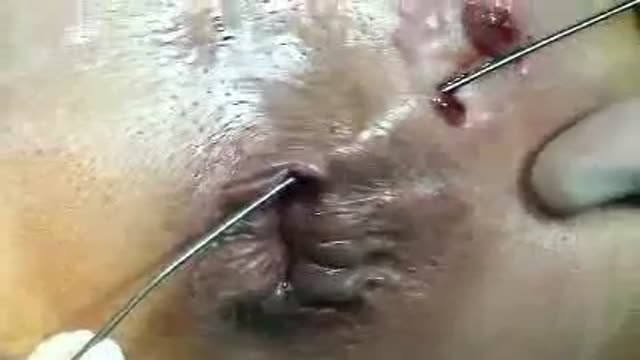
A Fistulotomy is the surgical opening or removal of a fistulous tract. They can be performed by excision of the tract and surrounding tissue, simple division of the tract, or gradual division and assisted drainage of the tract by means of a seton; a cord passed through the tract in a loop which is slowly tightened over a period of days or weeks.
Fistulas can occur in various areas of the human body, and the location of the fistula influences the necessity of the procedure. Some, such as ano-vaginal and perianal fistulas are chronic conditions, and will never heal without surgical intervention.

This educational video examines the link researchers have found between oral HPV infection and certain throat cancers, and what is known about risk. General health information in clinical terms. Educational only — not medical advice.

Contraception beyond condoms is the topic of this educational video, which explains other pregnancy-prevention methods — including hormonal options, intrauterine devices, and fertility awareness — and how each method works. General information for learning, not personal guidance. Educational only — not medical advice; discuss choices with a clinician.
This educational video discusses sexual activity during pregnancy — when it is generally considered safe and when medical advice should be sought first. Educational only — not medical advice.

The second stage of labour — from full cervical dilatation to the birth of the baby — is the subject of this obstetrics teaching video. It covers how this stage is monitored and managed by the birth team. A core learning resource for midwifery and medical students. For learning purposes only — not medical advice.
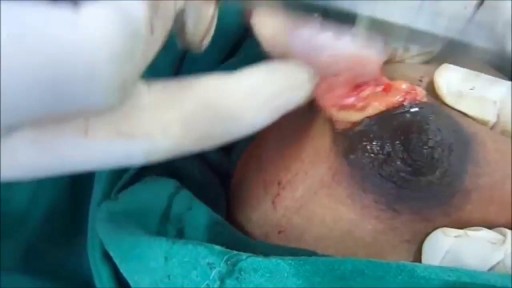
Surgical removal of a large fibroadenoma — a benign breast lump — under local anesthesia is documented in this surgery video. Fibroadenomas are common, non-cancerous growths, and excision is a short outpatient operation. Presented for surgical education. Educational only — not medical advice.

Common genital infections in women are reviewed in this educational video, covering their typical symptoms and causes. It explains how different infections can present and why accurate diagnosis matters before treatment. General health information for learning. Educational only — not medical advice.
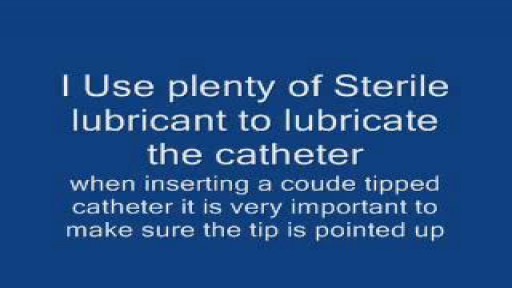
ACTUAL CATHETERIZATION A clinical view of insertion into the male urethra. A 14 french coude cath was used.
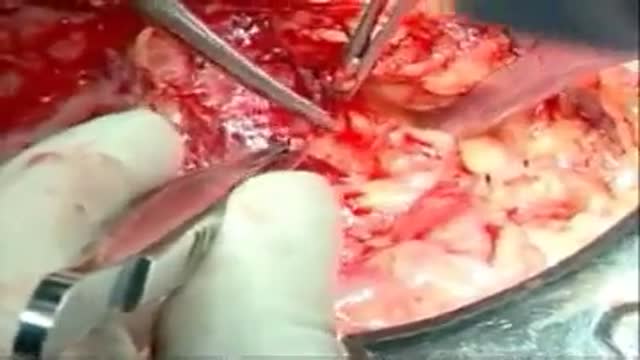
What is a Whipple procedure?
Also called a pancreaticoduodenectomy, the Whipple procedure is performed to address chronic pancreatitis and cancer of the pancreas, ampulla of Vater, duodenum, and the distal bile duct. The Whipple procedure involves removing the cancerous parts of the pancreas, duodenum, common bile duct, and if required, part of the stomach.
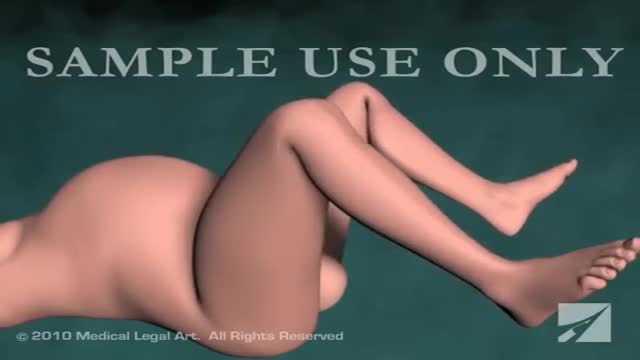
A maneuver used to manage shoulder dystocia — an obstetric emergency in which the baby's shoulder becomes lodged during delivery — is demonstrated in this brief clinical clip. Rapid, practiced maneuvers are essential in this situation. For obstetric training purposes. For learning purposes only — not medical advice.
Urinary catheterization in both male and female patients is demonstrated in this clinical-skills video, with attention to sterile technique and the anatomical differences between the two procedures. It is a foundational nursing and medical skill. Procedure education only — not personal medical advice.
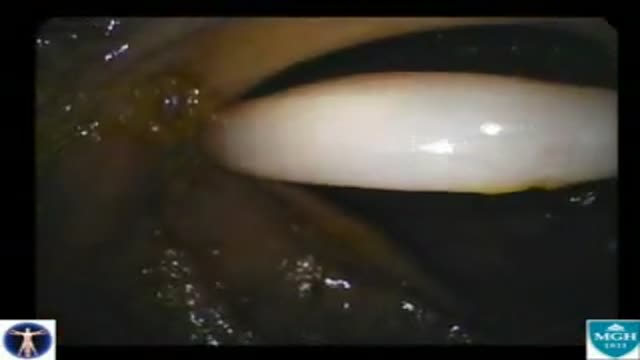
On screening colonoscopy, this abnormality was encountered in the cecum. This round worm is Ascaris Lumbricoides, one of the most common human parasites in the world. When ingested, the durable Ascaris eggs hatch in the small intestine releasing larva that migrate through the intestinal wall, and t...ravel both hematogenously and lymphatically to the heart and lungs. Over the next several days, the larva mature in the alveoli, then migrate up the trachea to be swallowed back into the gastrointestinal tract. These larva will then mature in the small bowel; adults couples will succeed in producing an extraordinary number of eggs, over 200,000 ova per day. The adults live one to two years. The majority of Ascaris infections are as in this example asymptomatic. Symptoms are a consequence of either the immunologic hypersensitivity of the host to the worm as in the pulmonary stage referred as Loffler's syndrome or to mechanical obstruction of lumen by the worm. Heavy worm burden can result in intestinal obstruction and migrating worms can cause pancreatitis and/or cholangitis when involving the pancreatobiliary tree. Multiple medical therapies are approved for its treatment including mebendazole. Epidemiologically, infections are most common in areas of lower socio-economic conditions. This man manages a pig farm in China that is used to test pharmaceutical agents. From an endoscopic standpoint it is noteworthy that the worms do not like light and will move away fro the attention it is receiving. In this example, the endoscopist was too slow to snare his prey which succeeded in escaping temporarily into the cooler and darker confines of the small bowel out of reach of the endoscope but not from the soon to be consumed anti-helminthic therapy.
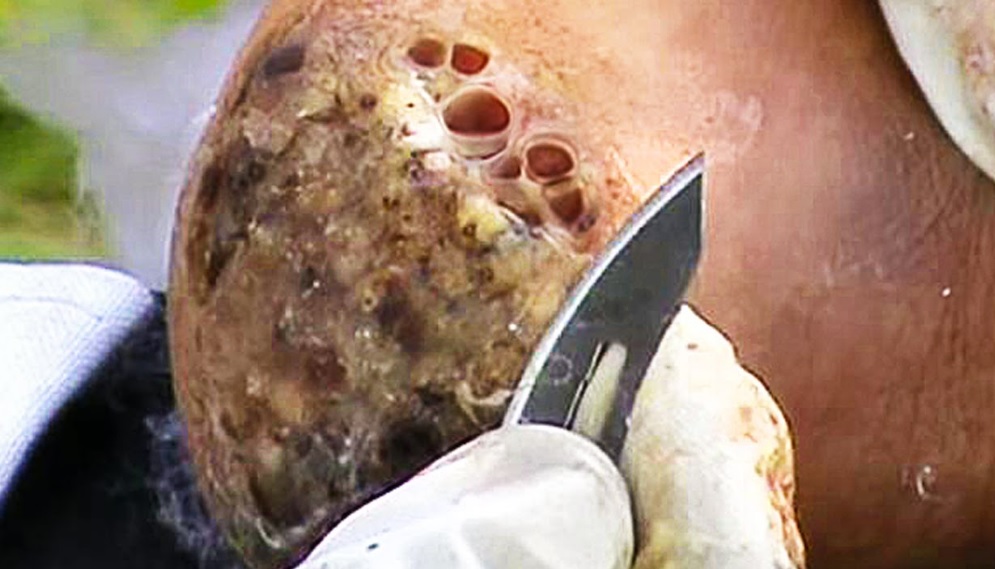
Removal of embedded jigger fleas from the skin — the parasitic condition known as tungiasis — is shown step by step in this procedure video, including cleaning and dressing of the affected skin afterward. Tungiasis is common in parts of Africa and South America. Presented for medical education. Educational only — not medical advice.
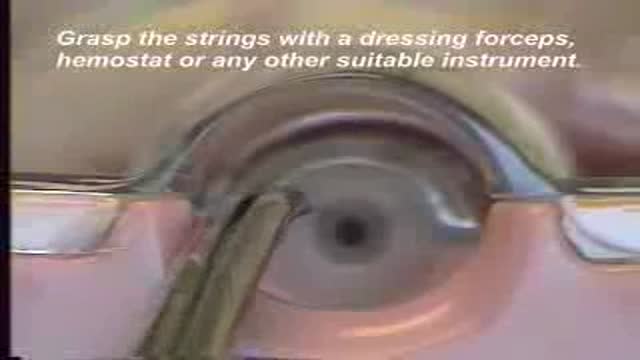
How an intrauterine device (IUD) is removed is shown in this short gynecology video: the clinician locates the device strings and withdraws it in a brief clinic procedure. IUD removal is normally quick and is done when the device expires or is no longer wanted. Educational only — not medical advice.
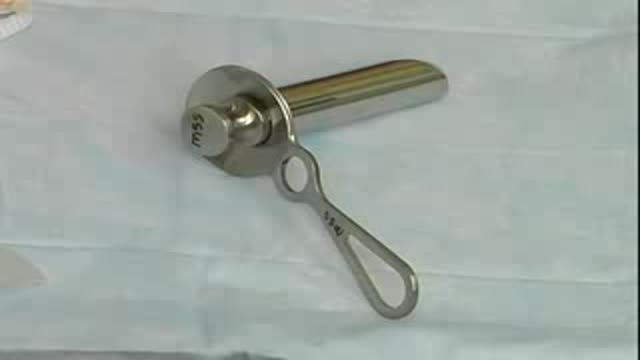
Anoscopy performed with the patient in the jackknife position is demonstrated in this educational video. Anoscopy uses a short, lighted instrument to examine the anal canal and lower rectum. A clinical-skills resource for students of colorectal examination. Educational only — not medical advice.
Medical Videos
Free medical and surgery videos for patients, students and professionals — trusted since 2007.
Founded by Dr. Mohamed Ibrahim, MD, PhD — physician-scientist.
Follow us on Facebook · Instagram