
- Physical Examination
- Surgical Examination
- Ophthalmology
- Clinical Skills
- Orthopedics
- Surgery Videos
- Laparoscopy
- Pediatrics
- Funny Videos
- Cardiothoracic Surgery
- Nursing Videos
- Plastic Surgery
- Otorhinolaryngology
- Histology and Histopathology
- Neurosurgery
- Dermatology
- Pediatric Surgery
- Urology
- Dentistry
- Oncology and Cancers
- Anatomy Videos
- Health and Fitness
- Radiology
- Anaesthesia
- Physical Therapy
- Pharmacology
- Interventional Radiology
- Cardiology
- Endocrinology
- Gynecology
- Emergency Medicine
- Psychiatry and Psychology
- Childbirth Videos
- General Medical Videos
- Nephrology
- Physiology
- Diet and Food Health
- Diabetes Mellitus
- Neurology
- Women Health
- Osteoporosis
- Gastroenterology
- Pulmonology
- Hematology
- Rheumatology
- Toxicology
- Nuclear Medicine
- Infectious Diseases
- Vascular Disease
- Reproductive Health
- Burns and Wound Healing
- Kidney Zone Podcast
- Other




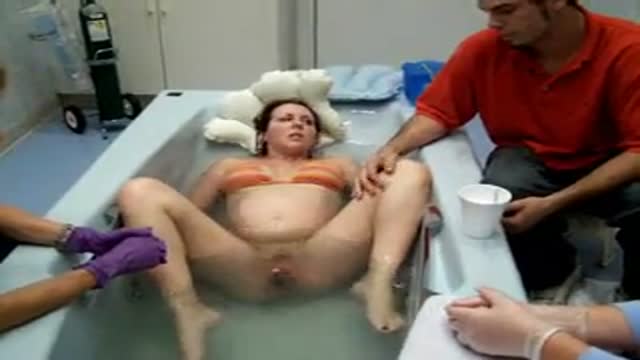


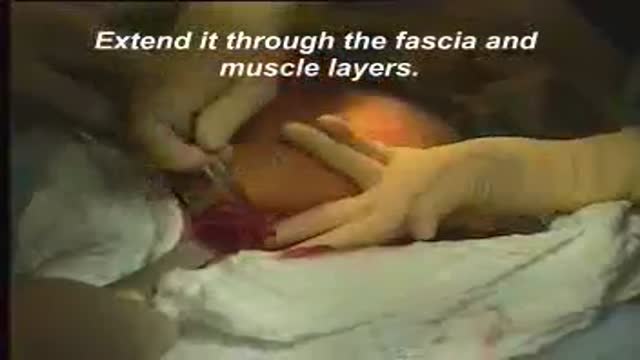






Vaginal Delivery Explained: An Animated Walkthrough of Childbirth

Educational only: videos on MedicalVideos.com are for general information and are not medical advice. Always consult your own doctor about your health.
An animated walkthrough of a vaginal delivery, showing how childbirth progresses stage by stage. Educational only — not medical advice.
This video in 30 seconds
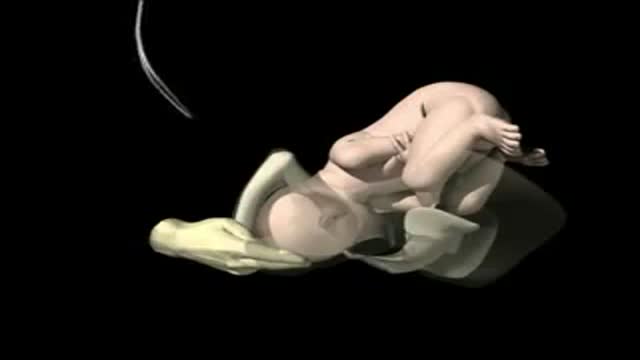
This narrated animation explains how a vaginal delivery unfolds. It describes the baby lying head-down toward the cervix, the first stage of regular contractions dilating the cervix, the stronger second-stage contractions, the waters breaking as the head descends, crowning, and the birth itself, followed by the third stage.
Key points
- The animation shows the baby positioned head-down before labour
- First-stage contractions and cervical dilation are illustrated
- Second-stage contractions and waters breaking are described
- Crowning and delivery of the head, shoulders, and body are shown
- Cord handling and delivery of the placenta are covered at the end
Chapters
- 0:00 — Introduction to the birth process
- 0:13 — First stage contractions and dilation
- 0:26 — Second stage of labour begins
- 0:43 — Crowning and delivery of head
- 1:23 — Cord handling and third stage
Video Transcript
A narrated animation explaining how a vaginal delivery unfolds. It describes the baby lying head-down toward the cervix, the first stage of regular contractions dilating the cervix to 10 centimetres, the stronger second-stage contractions, the waters breaking as the head descends, and the birth itself.
Read the full transcript
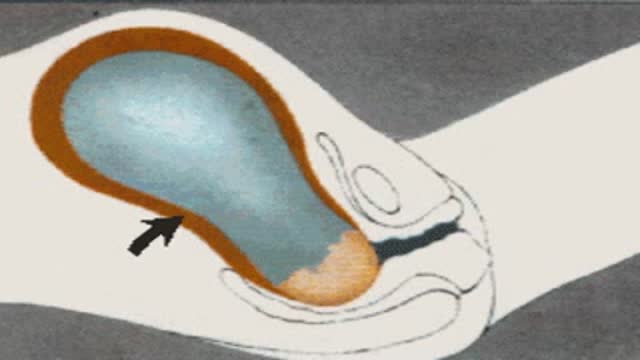
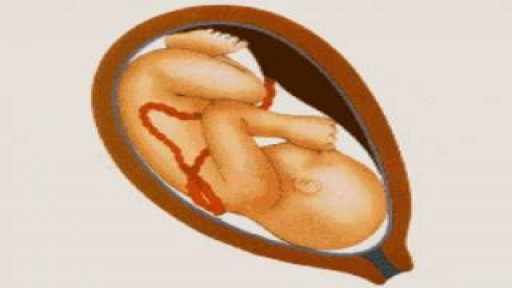
The birth of a child has been called one of life's greatest miracles. During childbirth, the baby lies in the mother's uterus with his head pointing down toward the cervix in anticipation of his or her arrival. The first stages of labor begin with short, regular contractions of the uterus, every few minutes, which continue until the mother's cervix is fully dilated, usually 10 centimeters. In the second stage of labor, the contractions become more forceful, more frequent, and more painful. As the baby's head starts to move down the vagina, the amniotic sac breaks and fluid is released.
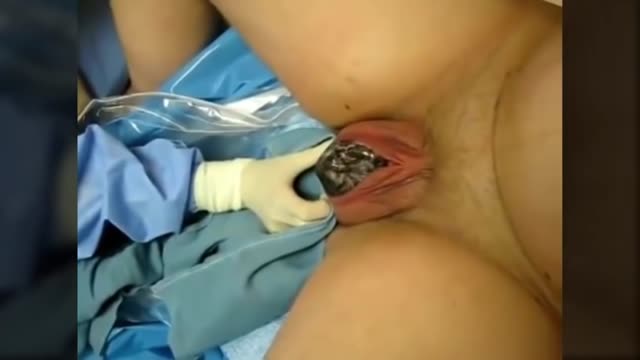
Most mothers recognize this event as their water breaking. The top of the head appears at the entrance of the vagina and finally bulges out. This is the crowning of the head. The contractions which follow push the baby even farther down so that the head is delivered. The baby's eyes immediately begin to blink and the mouth makes sucking movements. The baby usually emerges facing the mother's back so that the head passes through the widest possible opening in the pelvic girdle. The head then turns so that the upper and then the lower shoulder follows.
There is a final contraction and the baby slips out, still attached to the umbilical cord. The cord is then tied and cut, a painless operation because the cord is nervous. The third stage of labor in which the placenta or afterbirth is delivered is usually complete about 15 minutes after the birth.
Transcript auto-generated from the video’s audio for accessibility and study. Educational content only — not medical advice.
Medical Videos
Free medical and surgery videos for patients, students and professionals — trusted since 2007.
Founded by Dr. Mohamed Ibrahim, MD, PhD — physician-scientist.
Follow us on Facebook · Instagram
SORT BY-
Top Comments
-
Latest comments