
- Physical Examination
- Surgical Examination
- Ophthalmology
- Clinical Skills
- Orthopedics
- Surgery Videos
- Laparoscopy
- Pediatrics
- Funny Videos
- Cardiothoracic Surgery
- Nursing Videos
- Plastic Surgery
- Otorhinolaryngology
- Histology and Histopathology
- Neurosurgery
- Dermatology
- Pediatric Surgery
- Urology
- Dentistry
- Oncology and Cancers
- Anatomy Videos
- Health and Fitness
- Radiology
- Anaesthesia
- Physical Therapy
- Pharmacology
- Interventional Radiology
- Cardiology
- Endocrinology
- Gynecology
- Emergency Medicine
- Psychiatry and Psychology
- Childbirth Videos
- General Medical Videos
- Nephrology
- Physiology
- Diet and Food Health
- Diabetes Mellitus
- Neurology
- Women Health
- Osteoporosis
- Gastroenterology
- Pulmonology
- Hematology
- Rheumatology
- Toxicology
- Nuclear Medicine
- Infectious Diseases
- Vascular Disease
- Reproductive Health
- Burns and Wound Healing
- Kidney Zone Podcast
- Other
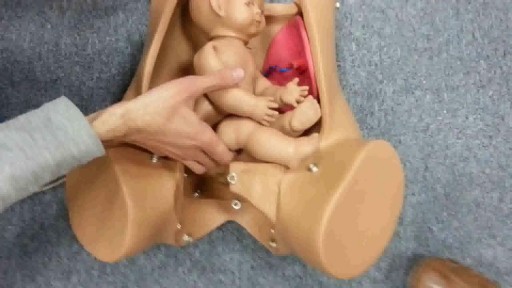


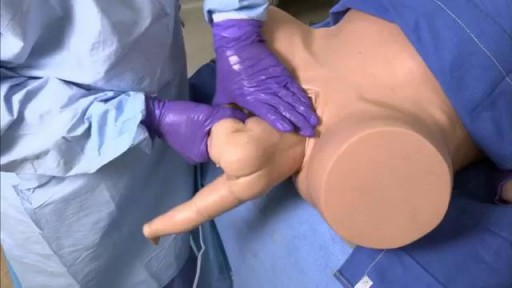
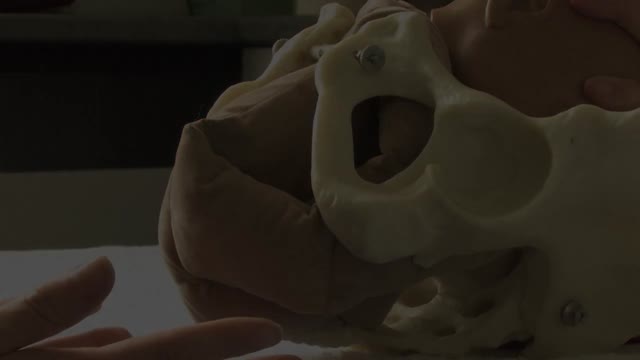


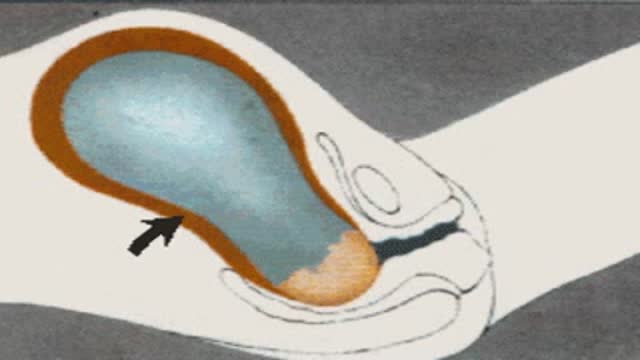











Vaginal Breech Birth: How a Breech Delivery Is Managed

Educational only: videos on MedicalVideos.com are for general information and are not medical advice. Always consult your own doctor about your health.
An educational video of a vaginal breech birth and how clinicians manage this presentation. Educational only — not medical advice.
This video in 30 seconds
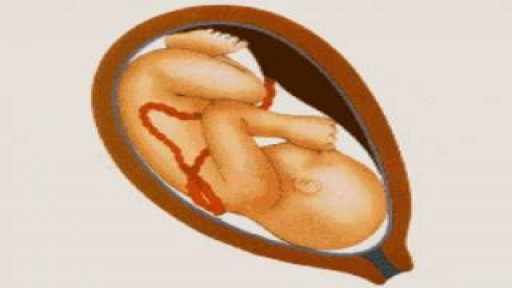
This narrated explainer discusses vaginal breech birth and how delivery decisions are made. It explains that in a small proportion of pregnancies the baby is positioned buttocks-first, how a clinician may try to turn the baby to a head-first position, and why caesarean delivery is often chosen when that is not successful. It also covers large babies, cord problems including cord prolapse, and monitoring for fetal distress.
Key points
- Breech positioning, with the baby emerging buttocks-first, is defined
- Attempts to turn the baby to a head-first position are described
- Large baby size and its effect on delivery decisions are discussed
- Cord wrapping and cord prolapse are covered as complications
- Monitoring for fetal distress during birth is mentioned
Chapters
- 0:06 — Breech position explained
- 0:40 — Large babies and delivery decisions
- 1:23 — Cord problems during birth
- 2:04 — Monitoring for fetal distress
Video Transcript
A narrated explainer on vaginal breech birth and how it is managed. It explains that in about 3% of pregnancies the baby is positioned buttocks-first, how a doctor may try to turn the baby to a head-first position, why caesarean delivery is often chosen when that fails, and the situations — such as a baby too large for the birth canal — that shape the decision.
Read the full transcript
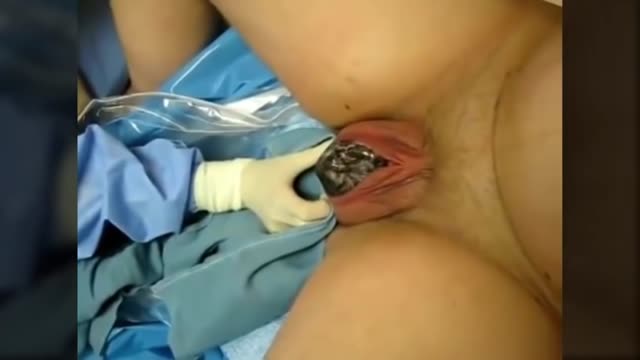
No matter how careful you are during your pregnancy, there is always a chance that your unborn baby will experience a problem during delivery. In about 3% of pregnancies, the baby is not in the correct birthing position. Doctors use the term breach to refer to a baby that is ready to emerge buttocks first. In some breach cases, a doctor can manipulate the uterus to get the baby to turn over to a more favorable head-first position. If this is not successful, your doctor will typically deliver your baby via caesarean section.
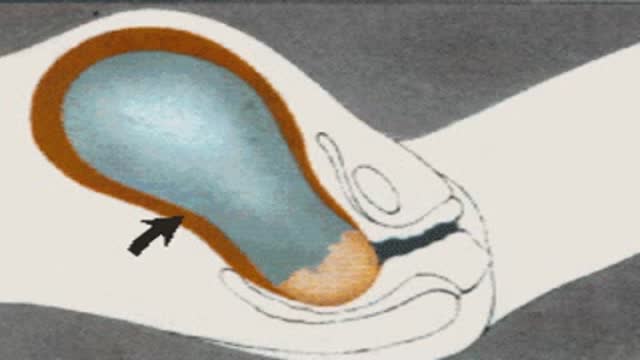
Sometimes, a baby grows too large to comfortably fit through the birthing canal. Babies weighing more than 9 pounds and 15 ounces are considered to have macrosomia, the term for a larger than average baby. In some cases, a macrosomic baby can be born naturally, although there is a greater risk of tearing or blood loss. In rare cases, a large baby can get stuck behind the pubic bone, a problem that can result in injury or death to the baby, which is why some doctors schedule a c-section for macrosomic babies.
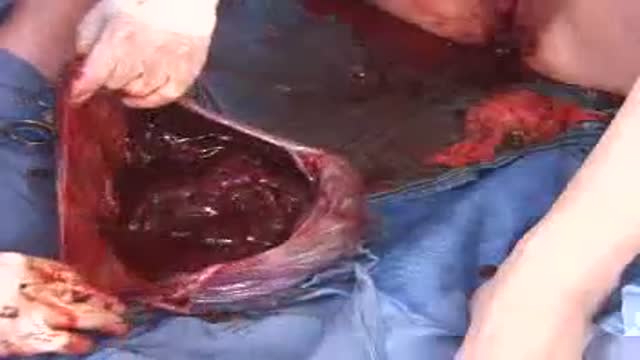
While both of these issues can frequently be observed prior to delivery, sometimes a seemingly ordinary birth will become problematic. During birth, it is possible that the baby's umbilical cord will emerge wrapped around his neck. Although this is good cause for caution, it is usually possible for a doctor to unwrap the cord prior to the birth's conclusion. It may become necessary to cut the cord to untangle it, which makes immediate birth important. More serious is when the umbilical cord passes through the uterus before the baby. Known as cord prolapse, this can make it impossible for the baby to get oxygen, resulting in brain damage or death.
For this reason, a cord prolapse will usually result in an emergency c-section. Because so many things can occur to make birth difficult, your baby will be carefully monitored during labor and delivery. If your baby shows signs of fetal distress or a lowered heart rate, your doctor will likely make the decision to speed up the delivery of your baby.
Transcript auto-generated from the video’s audio for accessibility and study. Educational content only — not medical advice.
Medical Videos
Free medical and surgery videos for patients, students and professionals — trusted since 2007.
Founded by Dr. Mohamed Ibrahim, MD, PhD — physician-scientist.
Follow us on Facebook · Instagram
SORT BY-
Top Comments
-
Latest comments