- Physical Examination
- Surgical Examination
- Ophthalmology
- Clinical Skills
- Orthopedics
- Surgery Videos
- Laparoscopy
- Pediatrics
- Funny Videos
- Cardiothoracic Surgery
- Nursing Videos
- Plastic Surgery
- Otorhinolaryngology
- Histology and Histopathology
- Neurosurgery
- Dermatology
- Pediatric Surgery
- Urology
- Dentistry
- Oncology and Cancers
- Anatomy Videos
- Health and Fitness
- Radiology
- Anaesthesia
- Physical Therapy
- Pharmacology
- Interventional Radiology
- Cardiology
- Endocrinology
- Gynecology
- Emergency Medicine
- Psychiatry and Psychology
- Childbirth Videos
- General Medical Videos
- Nephrology
- Physiology
- Diet and Food Health
- Diabetes Mellitus
- Neurology
- Women Health
- Osteoporosis
- Gastroenterology
- Pulmonology
- Hematology
- Rheumatology
- Toxicology
- Nuclear Medicine
- Infectious Diseases
- Vascular Disease
- Reproductive Health
- Burns and Wound Healing
- Kidney Zone Podcast
- Other
Aorta
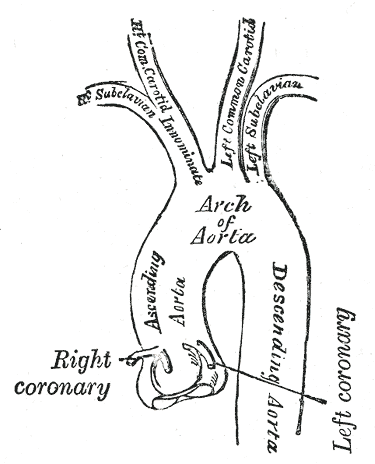
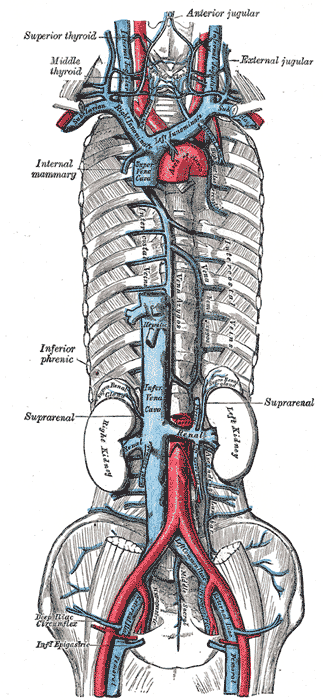
Gray's Anatomy (1918) plate, public domain
The aorta is the body's largest artery — about the width of a garden hose — carrying oxygen-rich blood from the left ventricle to the whole body. It rises from the heart (ascending aorta), arches backwards giving off the branches to the head and arms, then descends through the chest and abdomen, dividing at about navel level into the two iliac arteries for the legs.
Key facts
- The aorta is the largest artery in the body.
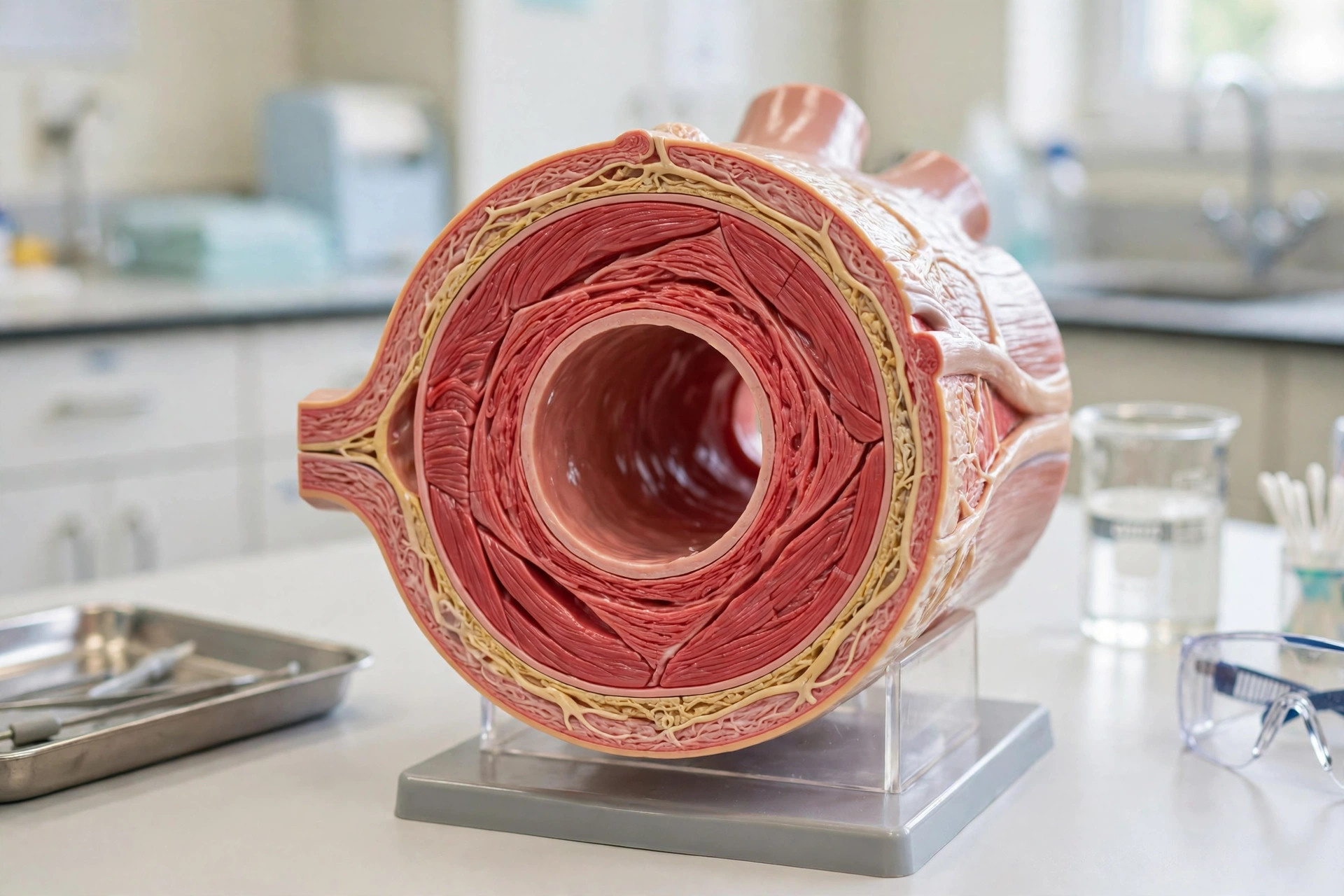
- Its wall has three layers, with elastic tissue that smooths the pulse.
- The arch gives off three great branches: to the right arm and head, the left head, and the left arm.
- It passes through the diaphragm at the level of the 12th thoracic vertebra.
- Two tiny openings at its start feed the coronary arteries.
What can go wrong
The aorta's wall can weaken and bulge (aneurysm) — often silently, usually in the abdomen in older adults, which is why screening is offered to some groups. A tear between its wall layers (aortic dissection) causes sudden severe chest or back pain and is an emergency. The aorta also narrows with atherosclerosis like other arteries.
Related conditions
Related procedures & tests
Related symptoms
Watch: related videos
Frequently asked questions
Why is the aorta elastic?
It stretches with each heartbeat and recoils between beats, smoothing the pulsing output of the heart into a steadier flow — a function called the Windkessel effect.
Can an aortic aneurysm cause symptoms?
Often it causes none and is found on scans done for other reasons or by screening. A rapidly expanding or ruptured aneurysm causes severe pain and collapse and is an emergency.
Educational information only. This atlas explains normal anatomy and describes conditions in general terms; it is not medical advice and does not replace assessment by a qualified clinician. If you have symptoms that worry you, seek medical care.