- Physical Examination
- Surgical Examination
- Ophthalmology
- Clinical Skills
- Orthopedics
- Surgery Videos
- Laparoscopy
- Pediatrics
- Funny Videos
- Cardiothoracic Surgery
- Nursing Videos
- Plastic Surgery
- Otorhinolaryngology
- Histology and Histopathology
- Neurosurgery
- Dermatology
- Pediatric Surgery
- Urology
- Dentistry
- Oncology and Cancers
- Anatomy Videos
- Health and Fitness
- Radiology
- Anaesthesia
- Physical Therapy
- Pharmacology
- Interventional Radiology
- Cardiology
- Endocrinology
- Gynecology
- Emergency Medicine
- Psychiatry and Psychology
- Childbirth Videos
- General Medical Videos
- Nephrology
- Physiology
- Diet and Food Health
- Diabetes Mellitus
- Neurology
- Women Health
- Osteoporosis
- Gastroenterology
- Pulmonology
- Hematology
- Rheumatology
- Toxicology
- Nuclear Medicine
- Infectious Diseases
- Vascular Disease
- Reproductive Health
- Burns and Wound Healing
- Kidney Zone Podcast
- Other
Arteries
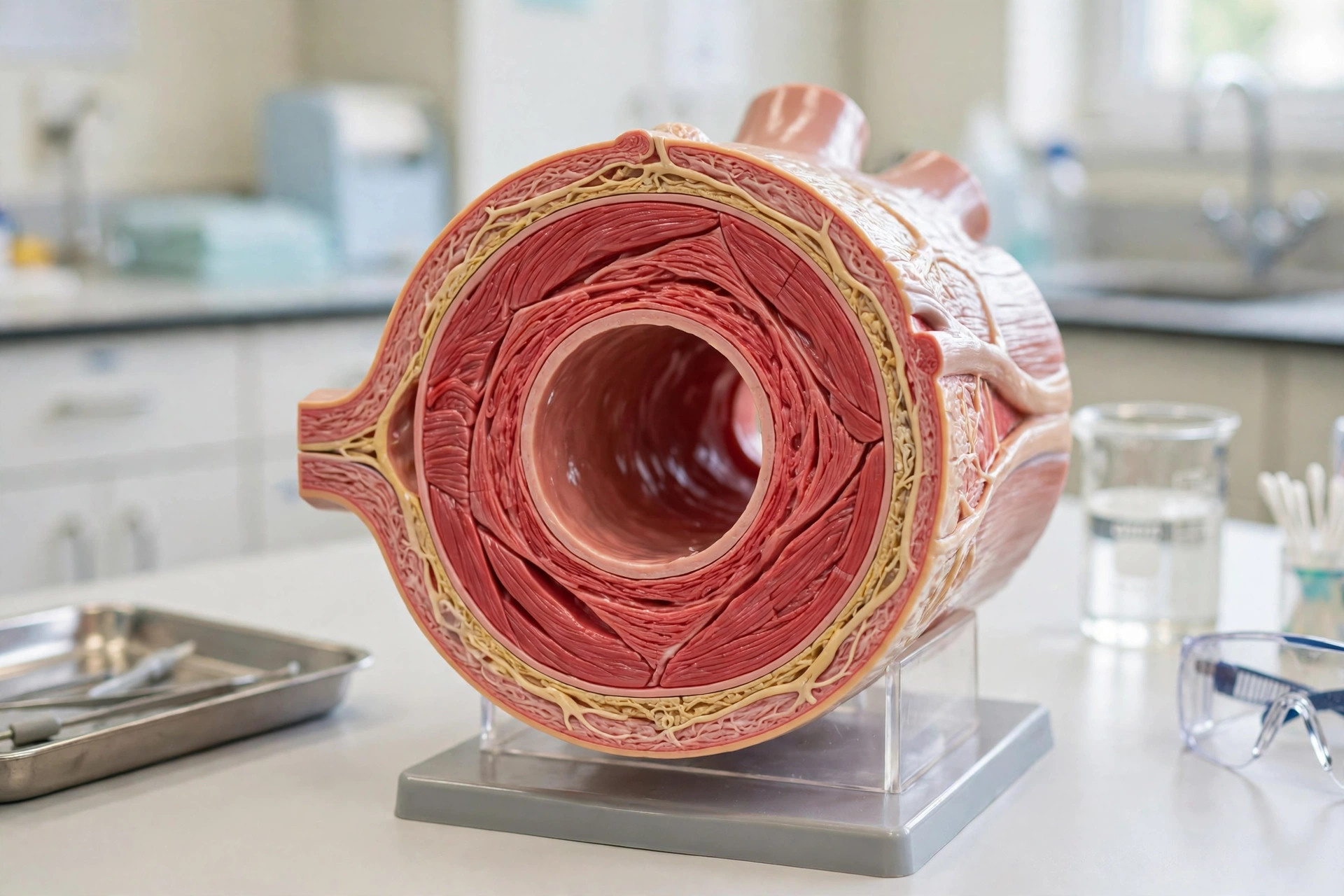
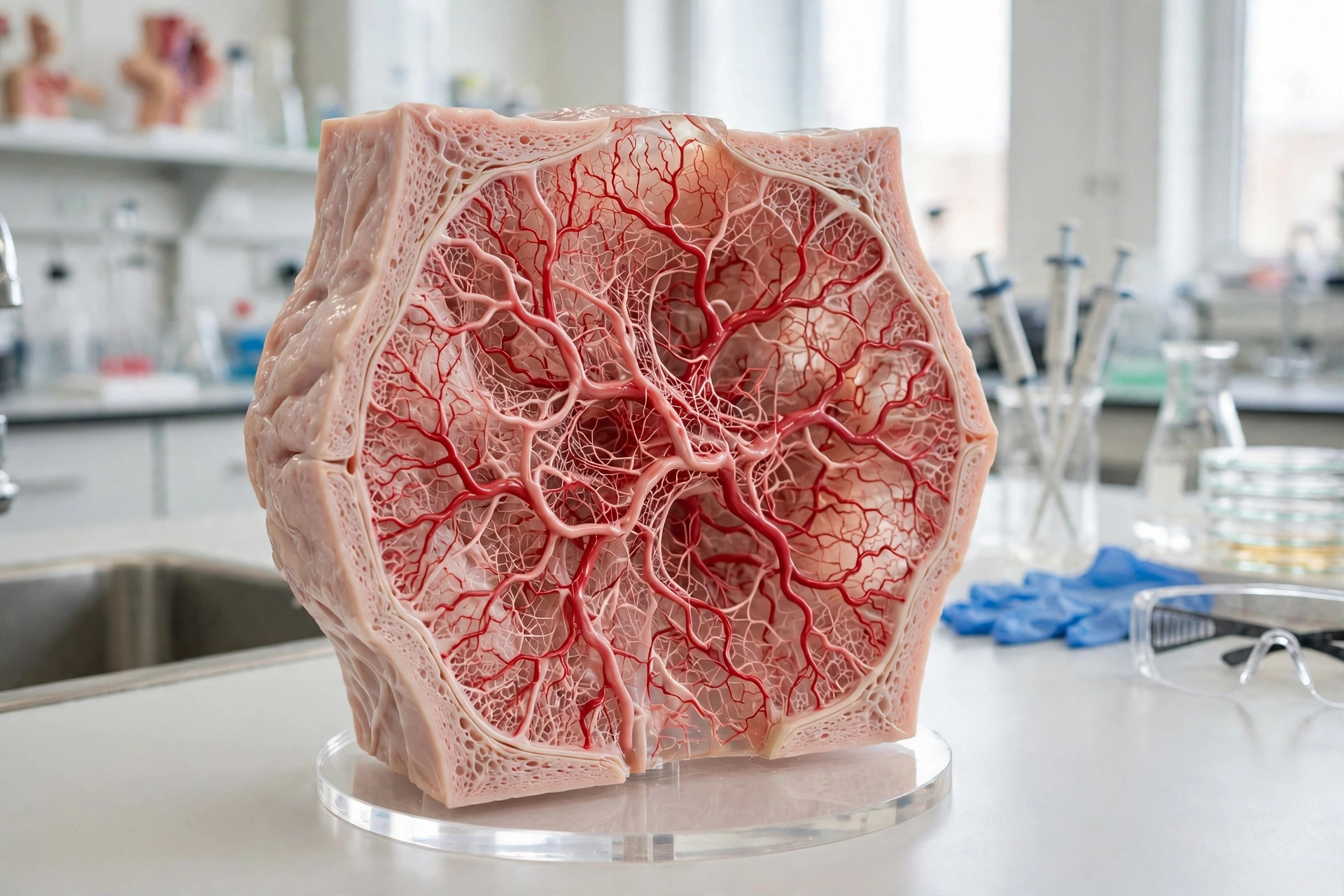
AI-generated anatomical illustration
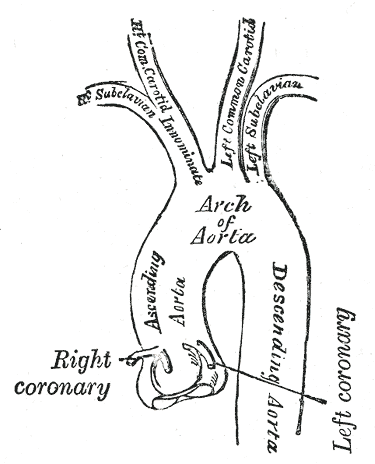
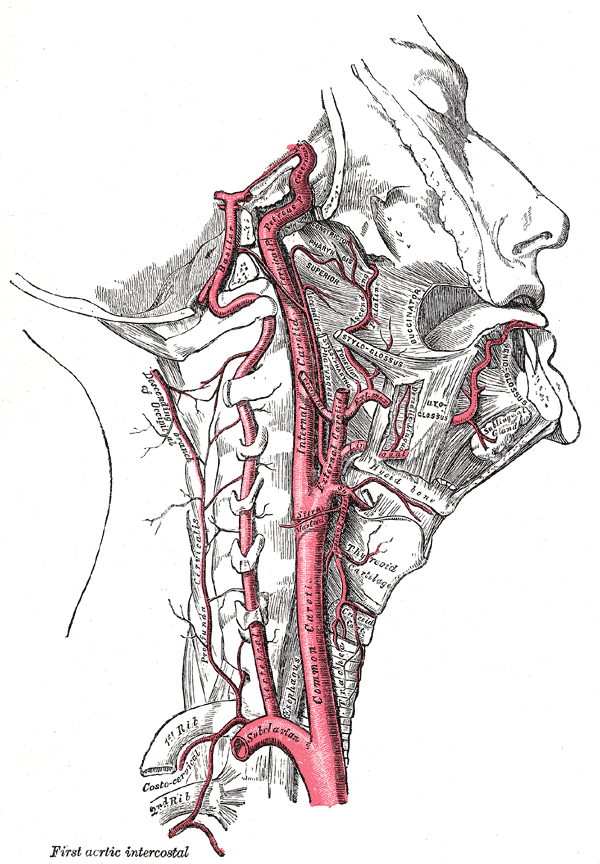
Arteries are the high-pressure distribution pipes carrying blood away from the heart. Their walls have three layers: a smooth inner lining (endothelium), a muscular elastic middle that absorbs each pulse and propels blood onward, and a tough outer coat. Large arteries like the aorta are mainly elastic; smaller ones are muscular and can constrict or relax to direct blood where it is needed — the basis of blood-pressure control.
Key facts
- The pulse you feel is the elastic expansion wave travelling along the artery wall, not the blood itself arriving.
- The endothelium is an active organ, releasing substances that relax or constrict the vessel and prevent clotting.
- Arteries branch and taper continuously; there is no sharp line where artery becomes arteriole becomes capillary.
- With age and risk factors, elastic tissue frays and arteries stiffen, raising systolic blood pressure.
What can go wrong
The dominant arterial disease is atherosclerosis: fatty, inflamed plaques in the wall that narrow the channel (causing angina, leg pain on walking, or erectile problems) or rupture and trigger a clot (causing heart attack or stroke). Arteries can also weaken and balloon (aneurysm), inflame (vasculitis), or go into spasm. Risk climbs with smoking, high blood pressure, diabetes, cholesterol and age.
Related conditions
Related procedures & tests
- Angiography (catheter angiogram)
- Peripheral angiography and angioplasty (leg arteries)
- Leg Doppler ultrasound (vein scan)
Related symptoms
Frequently asked questions
What is the difference between an artery and a vein?
Arteries carry blood away from the heart under high pressure and have thick muscular walls; veins return blood at low pressure with thinner walls and one-way valves.
Why do plaques form in arteries?
Cholesterol particles enter the wall where the lining is stressed — by pressure, smoking or high sugar — triggering inflammation that builds a fatty plaque over years.
Educational information only. This atlas explains normal anatomy and describes conditions in general terms; it is not medical advice and does not replace assessment by a qualified clinician. If you have symptoms that worry you, seek medical care.