- Physical Examination
- Surgical Examination
- Ophthalmology
- Clinical Skills
- Orthopedics
- Surgery Videos
- Laparoscopy
- Pediatrics
- Funny Videos
- Cardiothoracic Surgery
- Nursing Videos
- Plastic Surgery
- Otorhinolaryngology
- Histology and Histopathology
- Neurosurgery
- Dermatology
- Pediatric Surgery
- Urology
- Dentistry
- Oncology and Cancers
- Anatomy Videos
- Health and Fitness
- Radiology
- Anaesthesia
- Physical Therapy
- Pharmacology
- Interventional Radiology
- Cardiology
- Endocrinology
- Gynecology
- Emergency Medicine
- Psychiatry and Psychology
- Childbirth Videos
- General Medical Videos
- Nephrology
- Physiology
- Diet and Food Health
- Diabetes Mellitus
- Neurology
- Women Health
- Osteoporosis
- Gastroenterology
- Pulmonology
- Hematology
- Rheumatology
- Toxicology
- Nuclear Medicine
- Infectious Diseases
- Vascular Disease
- Reproductive Health
- Burns and Wound Healing
- Kidney Zone Podcast
- Other
Capillaries
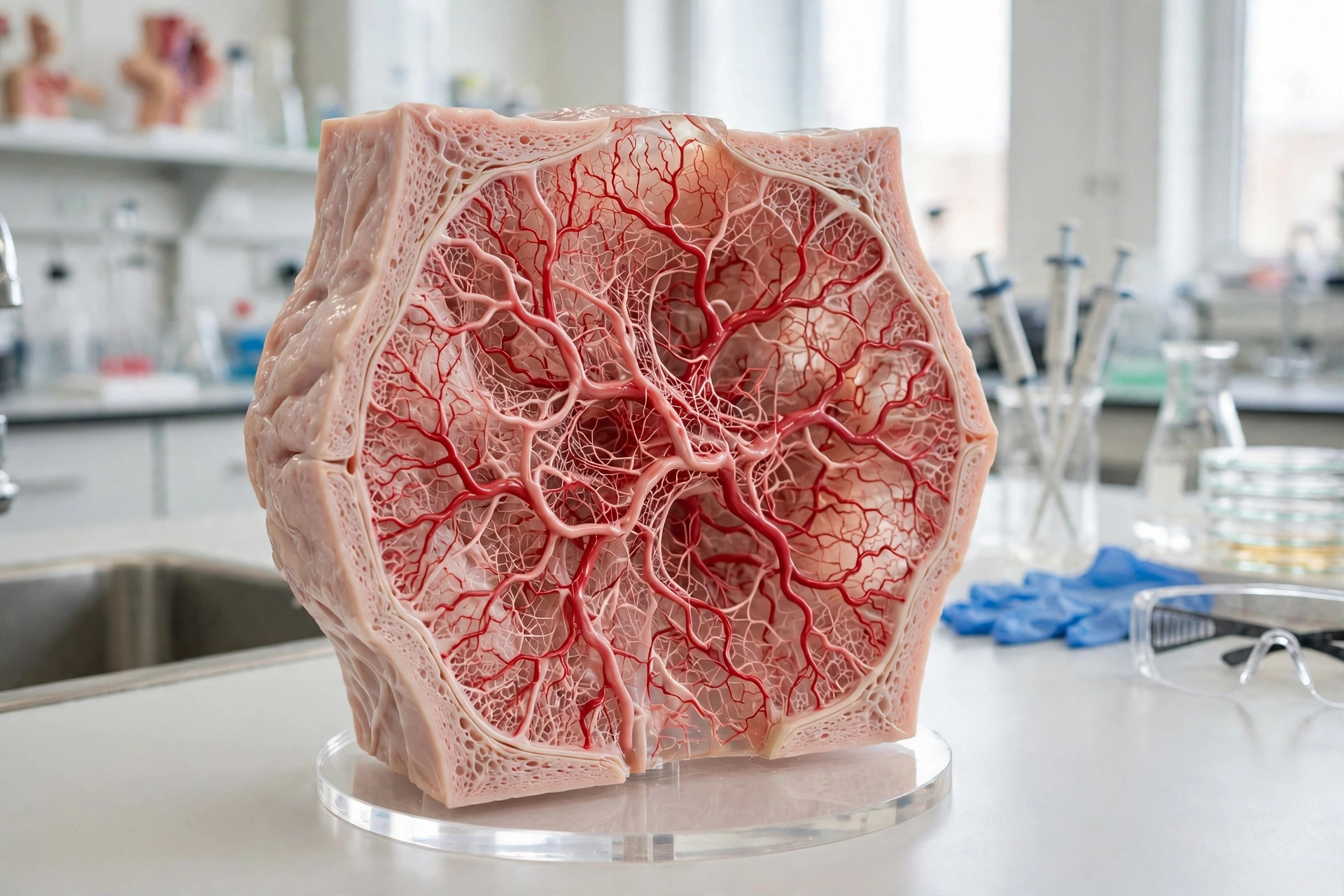
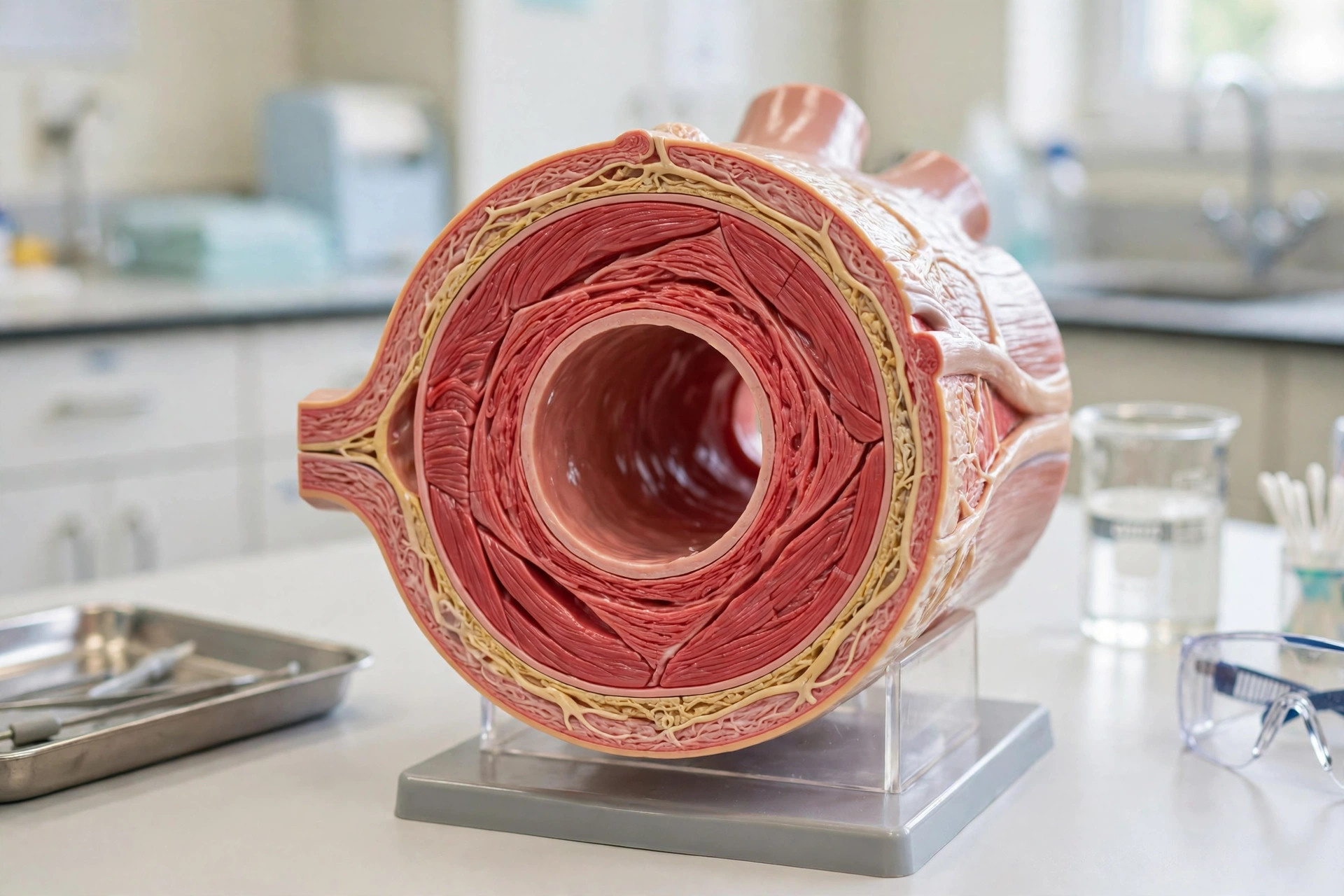
AI-generated anatomical illustration
Capillaries are the microscopic exchange vessels — billions of them, each barely wide enough for red cells to pass in single file, with walls one cell thick. Across these walls oxygen, nutrients, hormones and waste move between blood and tissues. Every tissue's capillary density matches its metabolic appetite: muscle and brain are rich, tendons and cornea sparse or absent. Tiny muscle collars (precapillary sphincters) direct flow to where it is needed moment by moment.
Key facts
- Laid end to end, your capillaries would stretch for tens of thousands of kilometres.
- Exchange is so efficient that blood spends only about a second in a capillary at rest.
- In the lungs, kidneys and gut, capillaries are specially fenestrated (windowed) or arranged in tufts to suit filtration and absorption.
- Fluid constantly leaks out at the arterial end and is mostly reabsorbed; the lymphatics drain the remainder.
What can go wrong
Capillary leak and damage underlie many states: in sepsis and severe inflammation the walls become leaky, flooding tissues and dropping blood pressure; in diabetes, thickened capillary walls damage the eyes, kidneys and nerves (microvascular disease). Raynaud's phenomenon is an exaggerated constriction of small vessels in fingers and toes. Capillary fragility shows as easy bruising or tiny haemorrhages (petechiae).
Related conditions
Related procedures & tests
Related symptoms
Frequently asked questions
How does exchange happen across a capillary?
By diffusion down concentration gradients, filtration of fluid under pressure, and active transport in some organs — across a wall so thin that distances are microscopic.
What is diabetic microvascular disease?
Long-term damage to capillaries from high blood sugar, affecting the retina (sight), kidney filters (protein leak and failure) and nerves (numbness and pain).
Educational information only. This atlas explains normal anatomy and describes conditions in general terms; it is not medical advice and does not replace assessment by a qualified clinician. If you have symptoms that worry you, seek medical care.