- Physical Examination
- Surgical Examination
- Ophthalmology
- Clinical Skills
- Orthopedics
- Surgery Videos
- Laparoscopy
- Pediatrics
- Funny Videos
- Cardiothoracic Surgery
- Nursing Videos
- Plastic Surgery
- Otorhinolaryngology
- Histology and Histopathology
- Neurosurgery
- Dermatology
- Pediatric Surgery
- Urology
- Dentistry
- Oncology and Cancers
- Anatomy Videos
- Health and Fitness
- Radiology
- Anaesthesia
- Physical Therapy
- Pharmacology
- Interventional Radiology
- Cardiology
- Endocrinology
- Gynecology
- Emergency Medicine
- Psychiatry and Psychology
- Childbirth Videos
- General Medical Videos
- Nephrology
- Physiology
- Diet and Food Health
- Diabetes Mellitus
- Neurology
- Women Health
- Osteoporosis
- Gastroenterology
- Pulmonology
- Hematology
- Rheumatology
- Toxicology
- Nuclear Medicine
- Infectious Diseases
- Vascular Disease
- Reproductive Health
- Burns and Wound Healing
- Kidney Zone Podcast
- Other
Heart Muscle
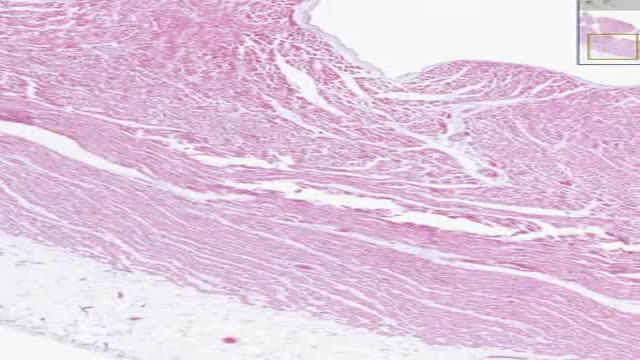
Video still from MedicalVideos.com: histology of heart cardiac muscle
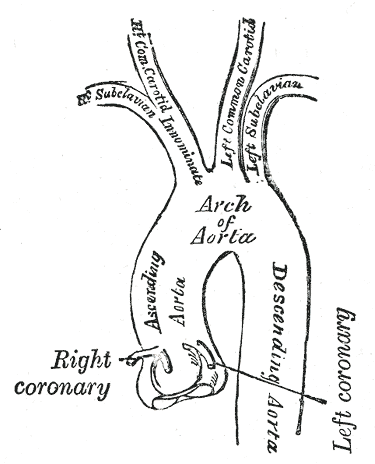
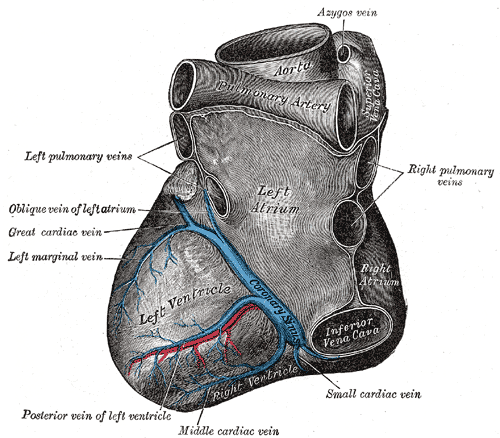
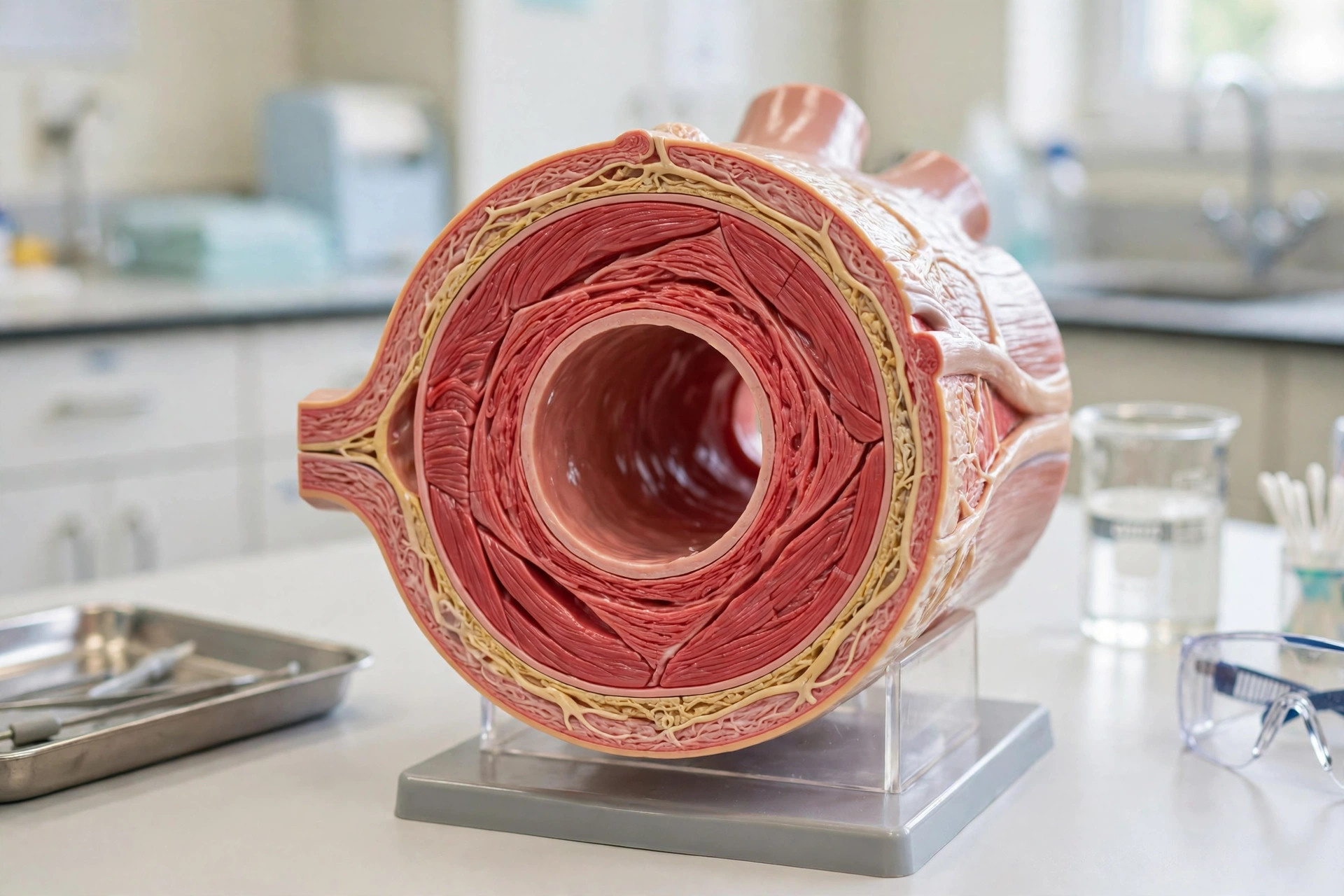
The heart muscle (myocardium) is a unique type of muscle found nowhere else: branching cells linked by electrical junctions so the whole wall contracts as one coordinated unit. It never tires — beating about 100,000 times a day for a lifetime — and it generates its own rhythm, modulated by nerves and hormones. It is fed by the coronary arteries, and it can only work aerobically, making it exquisitely sensitive to interruptions in its blood supply.
Key facts
- Cardiac muscle cells contract in response to calcium waves sweeping cell to cell through gap junctions.
- Unlike skeletal muscle, heart muscle cannot sustain a continuous cramp-like contraction — a built-in safeguard for pumping.
- It consumes more oxygen per gram than any other tissue at rest.
- The muscle thickens when chronically overloaded (hypertrophy) — initially compensation, later a cause of stiffness and failure.
What can go wrong
Inflammation of the heart muscle (myocarditis), usually viral, can cause chest pain, breathlessness and rhythm problems, occasionally after infections or vaccines. Death of muscle from a blocked coronary artery is a heart attack; the lost muscle is replaced by scar that cannot contract. Long-standing strain from hypertension, valve disease or cardiomyopathies leads to heart failure as the muscle stretches and weakens or stiffens.
Related conditions
Related procedures & tests
- Troponin and BNP heart blood tests
- Echocardiogram (heart ultrasound)
- Coronary angiogram (cardiac catheterisation)
Related symptoms
Watch: related videos
Frequently asked questions
Can heart muscle regrow after a heart attack?
Only very limited regeneration occurs; dead muscle heals as scar. Surviving muscle adapts, and prompt treatment of a heart attack aims to save threatened muscle before it dies.
What is myocarditis?
Inflammation of the heart muscle, most often following viral infection, which can temporarily weaken pumping and disturb rhythm; many cases recover fully.
Educational information only. This atlas explains normal anatomy and describes conditions in general terms; it is not medical advice and does not replace assessment by a qualified clinician. If you have symptoms that worry you, seek medical care.