- Physical Examination
- Surgical Examination
- Ophthalmology
- Clinical Skills
- Orthopedics
- Surgery Videos
- Laparoscopy
- Pediatrics
- Funny Videos
- Cardiothoracic Surgery
- Nursing Videos
- Plastic Surgery
- Otorhinolaryngology
- Histology and Histopathology
- Neurosurgery
- Dermatology
- Pediatric Surgery
- Urology
- Dentistry
- Oncology and Cancers
- Anatomy Videos
- Health and Fitness
- Radiology
- Anaesthesia
- Physical Therapy
- Pharmacology
- Interventional Radiology
- Cardiology
- Endocrinology
- Gynecology
- Emergency Medicine
- Psychiatry and Psychology
- Childbirth Videos
- General Medical Videos
- Nephrology
- Physiology
- Diet and Food Health
- Diabetes Mellitus
- Neurology
- Women Health
- Osteoporosis
- Gastroenterology
- Pulmonology
- Hematology
- Rheumatology
- Toxicology
- Nuclear Medicine
- Infectious Diseases
- Vascular Disease
- Reproductive Health
- Burns and Wound Healing
- Kidney Zone Podcast
- Other
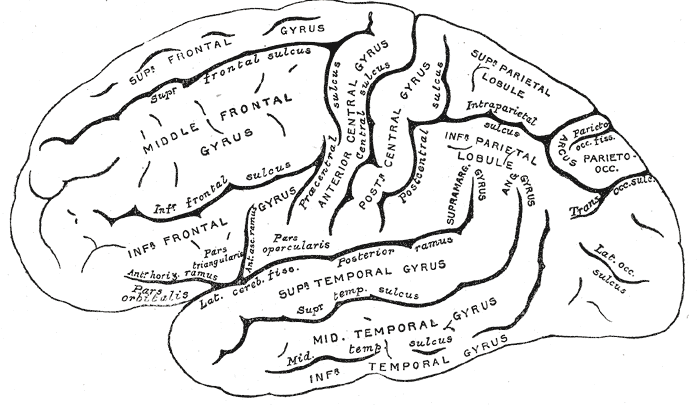
Occipital Lobe
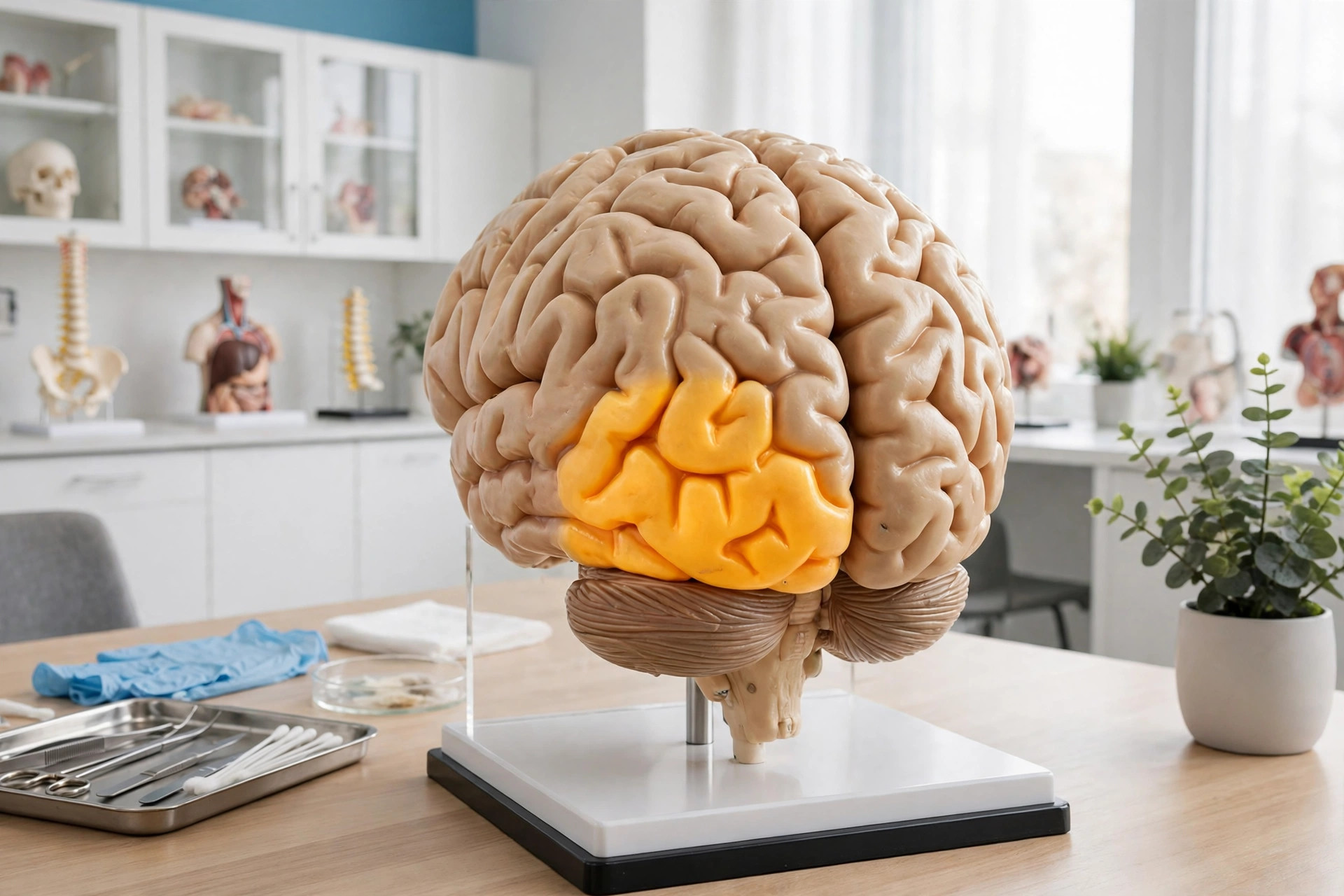
AI-generated anatomical illustration
The occipital lobe, at the very back of the brain, is devoted to vision. Signals from the retinas arrive via the optic nerves, chiasm and tracts to the primary visual cortex along the calcarine fissure, where a detailed map of the visual world is laid out — the centre of vision (macular) occupying a disproportionately large share. From here, two streams analyse what is seen: a dorsal 'where' stream and a ventral 'what' stream.
Key facts
- Each occipital lobe processes the opposite half of the visual scene from both eyes.
- The visual map preserves the geometry of the retina — neighbouring points in the world are neighbours in the cortex.
- Because the occipital pole has a dual blood supply, central vision is sometimes spared in occipital strokes (macular sparing).
- The lobes contain dozens of specialised areas for colour, motion and form.
What can go wrong
Occipital damage — most often from stroke in the posterior cerebral artery territory — causes loss of the opposite visual field in both eyes (homonymous hemianopia), sometimes with preserved central vision. Migraine aura arises from waves of activity crossing this cortex, producing shimmering zigzags. Rarely, extensive damage causes cortical blindness, occasionally with denial of the blindness itself.
Related conditions
Related procedures & tests
Related symptoms
Frequently asked questions
What is a homonymous hemianopia?
Loss of the same half of the visual field in both eyes (for example, everything to the left), caused by damage behind the optic chiasm — typically an occipital stroke.
Why do migraine auras look like zigzags?
A slow wave of electrical activity spreading across the visual cortex (cortical spreading depression) activates then suppresses vision cells, drawing expanding shimmering patterns.
Educational information only. This atlas explains normal anatomy and describes conditions in general terms; it is not medical advice and does not replace assessment by a qualified clinician. If you have symptoms that worry you, seek medical care.