- Physical Examination
- Surgical Examination
- Ophthalmology
- Clinical Skills
- Orthopedics
- Surgery Videos
- Laparoscopy
- Pediatrics
- Funny Videos
- Cardiothoracic Surgery
- Nursing Videos
- Plastic Surgery
- Otorhinolaryngology
- Histology and Histopathology
- Neurosurgery
- Dermatology
- Pediatric Surgery
- Urology
- Dentistry
- Oncology and Cancers
- Anatomy Videos
- Health and Fitness
- Radiology
- Anaesthesia
- Physical Therapy
- Pharmacology
- Interventional Radiology
- Cardiology
- Endocrinology
- Gynecology
- Emergency Medicine
- Psychiatry and Psychology
- Childbirth Videos
- General Medical Videos
- Nephrology
- Physiology
- Diet and Food Health
- Diabetes Mellitus
- Neurology
- Women Health
- Osteoporosis
- Gastroenterology
- Pulmonology
- Hematology
- Rheumatology
- Toxicology
- Nuclear Medicine
- Infectious Diseases
- Vascular Disease
- Reproductive Health
- Burns and Wound Healing
- Kidney Zone Podcast
- Other
Ureters
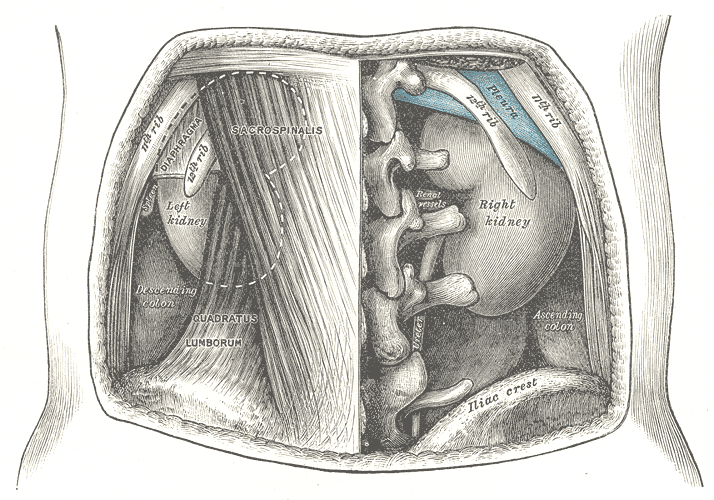
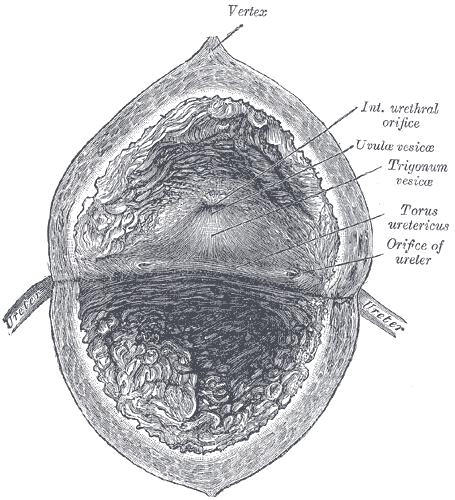
Gray's Anatomy (1918) plate, public domain
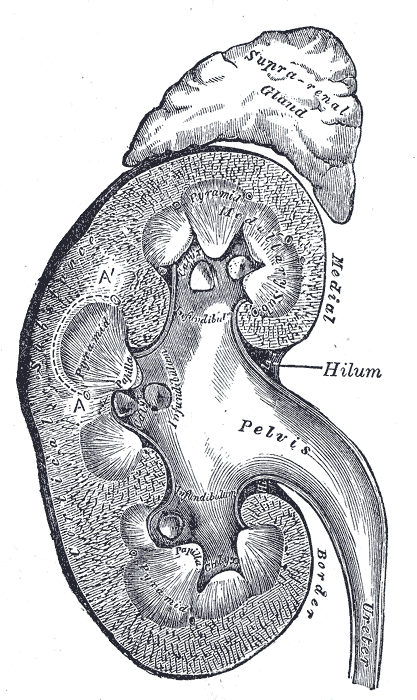
The ureters are the two muscular tubes, each about 25-30 cm long, that carry urine from the renal pelvis down to the bladder. They do not rely on gravity: peristaltic waves sweep a small bolus of urine along every few seconds. Each ureter has three natural narrowings — at the kidney outlet, where it crosses the pelvic brim, and entering the bladder — the places stones most often lodge.
Key facts
- Ureteric muscle contracts in waves from the renal pelvis, so urine flows even when you are lying down or upside down.
- The bladder entrance is angled to act as a flap valve, preventing urine washing back up when the bladder contracts.
- The ureters run close to important structures — the uterine artery in women and the vas deferens in men pass them in the pelvis.
- Their blood supply arrives from several sources along their length, a detail that matters in pelvic surgery.
What can go wrong
A kidney stone descending the ureter causes renal colic — severe waves of loin pain radiating to the groin, often with nausea and blood in the urine. Strictures from scarring, pelvic tumours pressing from outside, or reflux of bladder urine in children can also damage the ureters and kidneys. Imaging (CT or ultrasound) and endoscopy (ureteroscopy) are used to find and relieve blockages.
Related conditions
Related procedures & tests
- Kidney stone surgery (ureteroscopy and laser)
- Shockwave lithotripsy (ESWL)
- CT scan — abdomen and pelvis
Related symptoms
Watch: related videos
Frequently asked questions
Why is ureteric colic so painful?
A blocked ureter contracts forcefully against the obstruction while pressure stretches its wall and the kidney capsule — producing the intense, restless, wave-like pain of colic.
How do doctors see inside the ureter?
With ureteroscopy: a thin telescope passed through the bladder into the ureter, which can also deliver laser energy to fragment stones.
Educational information only. This atlas explains normal anatomy and describes conditions in general terms; it is not medical advice and does not replace assessment by a qualified clinician. If you have symptoms that worry you, seek medical care.