- Physical Examination
- Surgical Examination
- Ophthalmology
- Clinical Skills
- Orthopedics
- Surgery Videos
- Laparoscopy
- Pediatrics
- Funny Videos
- Cardiothoracic Surgery
- Nursing Videos
- Plastic Surgery
- Otorhinolaryngology
- Histology and Histopathology
- Neurosurgery
- Dermatology
- Pediatric Surgery
- Urology
- Dentistry
- Oncology and Cancers
- Anatomy Videos
- Health and Fitness
- Radiology
- Anaesthesia
- Physical Therapy
- Pharmacology
- Interventional Radiology
- Cardiology
- Endocrinology
- Gynecology
- Emergency Medicine
- Psychiatry and Psychology
- Childbirth Videos
- General Medical Videos
- Nephrology
- Physiology
- Diet and Food Health
- Diabetes Mellitus
- Neurology
- Women Health
- Osteoporosis
- Gastroenterology
- Pulmonology
- Hematology
- Rheumatology
- Toxicology
- Nuclear Medicine
- Infectious Diseases
- Vascular Disease
- Reproductive Health
- Burns and Wound Healing
- Kidney Zone Podcast
- Other
Urinary System
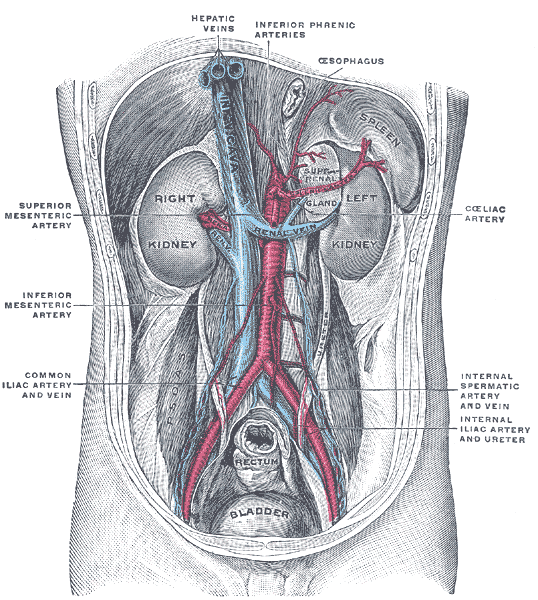
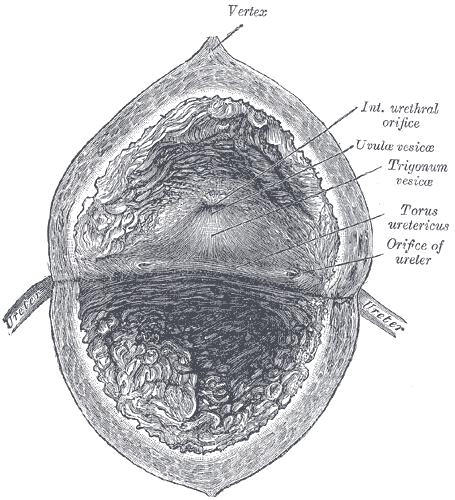
Gray's Anatomy (1918) plate, public domain
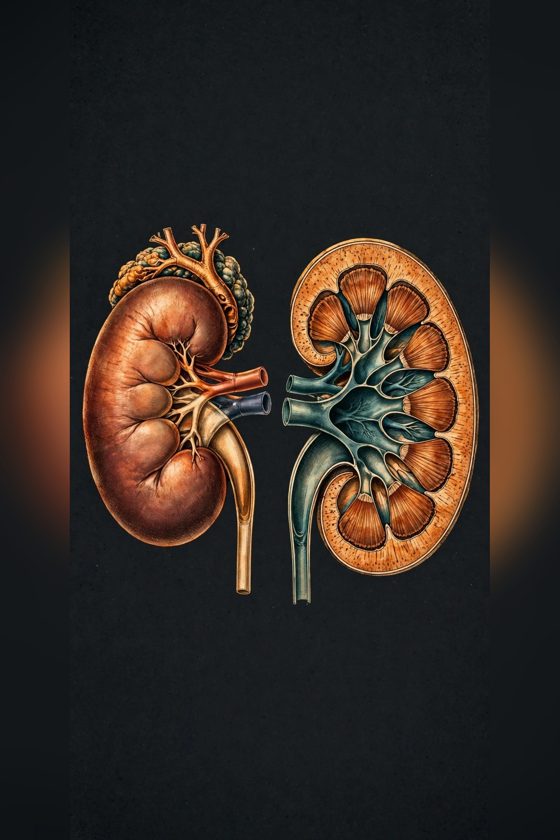
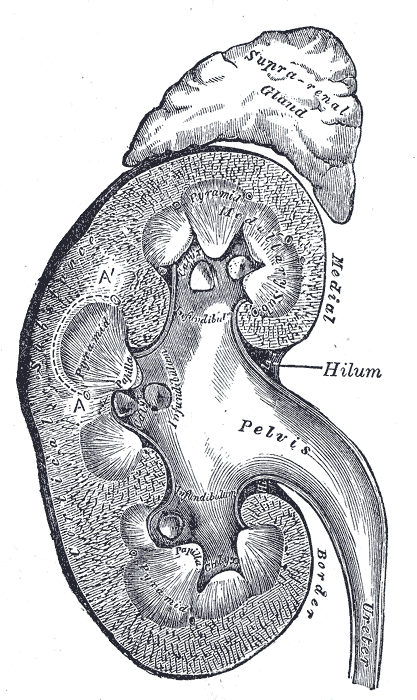
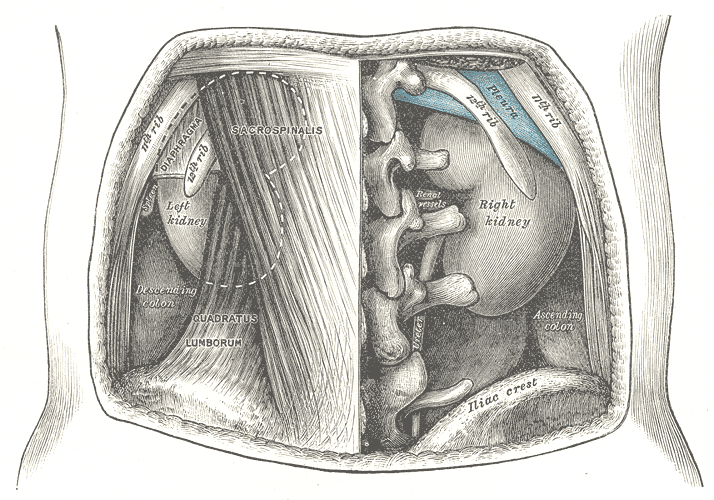
The urinary system — kidneys, ureters, bladder and urethra — filters the blood, balances water, salts, acid and blood pressure, and excretes waste as urine. The kidneys do the processing, the ureters transport, the bladder stores and the urethra provides controlled exit. Beyond plumbing, the system also activates vitamin D and signals the bone marrow to make red blood cells, linking it to bone and blood health.
Key facts
- The kidneys filter the entire blood volume many times each day, yet produce only 1-2 litres of urine.
- Urine is sterile-filtered blood plasma minus cells and most protein — its make-up mirrors the body's chemistry.
- The tract's lining (urothelium) is continuous from renal pelvis to urethra and built to resist urine's corrosiveness.
- Bladder emptying is one of the earliest complex reflexes brought under voluntary control in childhood.
What can go wrong
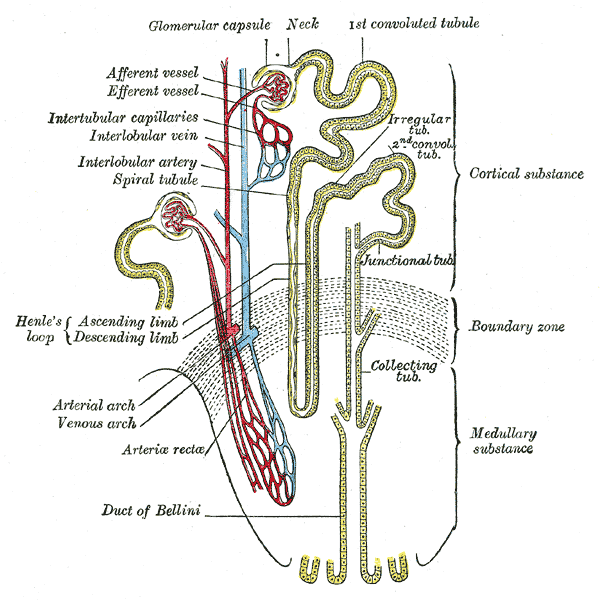
Disorders can strike each level: the kidney filters (glomerular diseases), the tubules, stones in the drainage path, bladder storage or emptying problems, and infections anywhere along the tract. Because kidney disease is often symptom-free for years, screening relies on blood pressure, blood creatinine and urine protein checks in people at risk, such as those with diabetes or hypertension.
Related conditions
Related procedures & tests
Related symptoms
Watch: related videos
Frequently asked questions
What does the urinary system remove from the body?
Urea and other metabolic wastes, excess water and salts, acids, and many drug breakdown products — all dissolved in urine.
Why do doctors test urine so often?
Urine reflects both kidney health and whole-body chemistry: blood, protein, sugar, cells and crystals in it point to problems from infection to diabetes to glomerular disease.
Educational information only. This atlas explains normal anatomy and describes conditions in general terms; it is not medical advice and does not replace assessment by a qualified clinician. If you have symptoms that worry you, seek medical care.