
- Physical Examination
- Surgical Examination
- Ophthalmology
- Clinical Skills
- Orthopedics
- Surgery Videos
- Laparoscopy
- Pediatrics
- Funny Videos
- Cardiothoracic Surgery
- Nursing Videos
- Plastic Surgery
- Otorhinolaryngology
- Histology and Histopathology
- Neurosurgery
- Dermatology
- Pediatric Surgery
- Urology
- Dentistry
- Oncology and Cancers
- Anatomy Videos
- Health and Fitness
- Radiology
- Anaesthesia
- Physical Therapy
- Pharmacology
- Interventional Radiology
- Cardiology
- Endocrinology
- Gynecology
- Emergency Medicine
- Psychiatry and Psychology
- Childbirth Videos
- General Medical Videos
- Nephrology
- Physiology
- Diet and Food Health
- Diabetes Mellitus
- Neurology
- Women Health
- Osteoporosis
- Gastroenterology
- Pulmonology
- Hematology
- Rheumatology
- Toxicology
- Nuclear Medicine
- Infectious Diseases
- Vascular Disease
- Reproductive Health
- Burns and Wound Healing
- Kidney Zone Podcast
- Other
Cardiomyopathy
Cardiomyopathy is a disease of the heart muscle that makes it harder for the heart to pump blood around the body. This page explains its symptoms, causes, and treatment in plain language, with videos to help you follow the key points.
✓ Medically reviewed by Dr. Mohamed Ibrahim, MD, PhD — physician-scientist · Last reviewed: November 2026
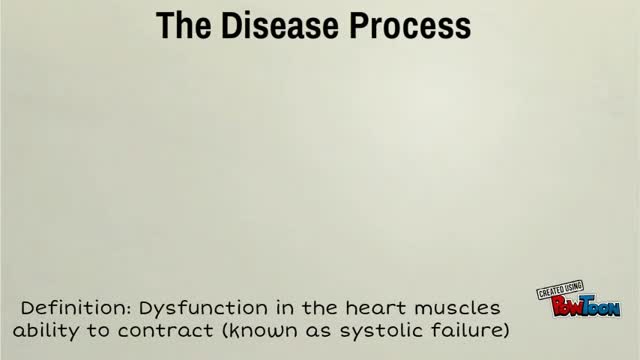
In short: In cardiomyopathy, the heart muscle becomes enlarged, thickened, or stiff, and pumps less effectively. It may cause breathlessness, tiredness, and palpitations, or no symptoms at all. Care focuses on medicines, lifestyle measures, and sometimes devices or procedures.
Watch: Cardiomyopathy videos

Read: the plain-language guide
Overview
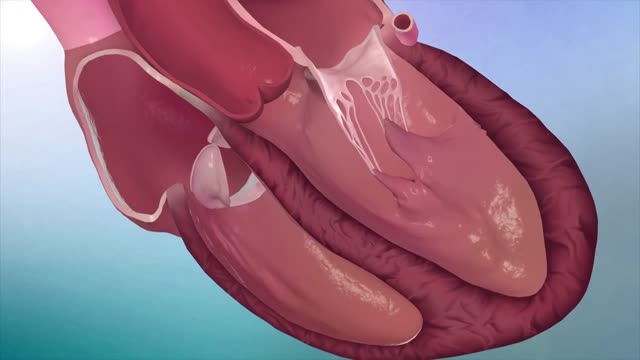
Cardiomyopathy describes diseases of the heart muscle itself, rather than the valves or arteries. In some types the main pumping chamber stretches and weakens, so it ejects less blood with each beat. In others the muscle becomes abnormally thick or stiff, so the chamber fills poorly. Over time the heart may struggle to meet the body's needs, leading to heart failure, and the abnormal muscle can also disturb heart rhythm. Some types run in families. Many people live well for years with treatment, regular monitoring, and prompt attention to new symptoms.
Symptoms
Symptoms often develop gradually. Breathlessness during activity or when lying flat, tiredness, and reduced exercise ability are common. Swelling of the ankles or legs, palpitations, light-headedness, and occasionally fainting can occur. Chest discomfort may also be felt. Some people, including some with inherited forms, have no symptoms and the condition is found during family screening or tests done for another reason. Because rhythm problems can occur without warning symptoms, follow-up and, where advised, screening of close relatives are important parts of care even when a person feels well.
Causes & risk factors
Causes vary by type. Some cardiomyopathies are inherited, caused by gene changes passed through families, which is why relatives may be offered screening. Others follow damage to the heart muscle from heavy alcohol use, certain infections, uncontrolled high blood pressure, or some medicines used in cancer treatment. Pregnancy is associated with a rare form arising around childbirth. Thyroid problems and certain long-term conditions can also contribute. In many people no single cause is identified. Assessment aims to find any treatable contributor and to clarify whether family screening is advisable.
How it's diagnosed
Assessment includes a history, family history, examination, and a heart tracing. An ultrasound scan of the heart is the key test, showing chamber size, muscle thickness, and pumping strength. Blood tests check for contributors and strain on the heart. Rhythm monitoring may be used to look for abnormal heartbeats, and detailed heart imaging is sometimes arranged. Where an inherited cause is possible, genetic advice and screening of close relatives may be offered. The type and severity found guide treatment and follow-up plans.
Treatment overview
There is no single treatment, and care is tailored to the type and its effects. Medicines used for heart failure can reduce the heart's workload, ease symptoms, and improve outcomes when pumping is weak. Medicines may also control rhythm problems and lower clot risk where needed. Alcohol avoidance, where relevant, and managing blood pressure and other conditions help protect the muscle. Some people benefit from an implanted device that corrects dangerous rhythms or coordinates pumping. Advanced cases may be considered for specialist procedures or transplantation assessment at a specialist centre.
When to seek care
Seek urgent help for severe breathlessness, fainting, chest pain, or palpitations with dizziness or breathlessness. Breathlessness that wakes you at night, or rapidly increasing ankle swelling and weight, should be assessed promptly rather than waited out at home.
Frequently asked questions
Is cardiomyopathy the same as heart failure?
Not exactly. Cardiomyopathy is a disease of the heart muscle, while heart failure describes the heart being unable to pump well enough for the body's needs. Cardiomyopathy is one cause of heart failure, but not everyone with cardiomyopathy has heart failure symptoms.
Should my family be checked if I have cardiomyopathy?
Often yes. Several types of cardiomyopathy run in families, and close relatives may be offered heart checks even if they feel well. Early detection allows monitoring and treatment before symptoms develop. Your care team can advise which relatives should be screened and how often.
Can I exercise with cardiomyopathy?
Many people can and should stay active, but the safe type and intensity of exercise depend on the type of cardiomyopathy and individual risk. Some inherited types carry cautions about intense competitive sport. Always agree an exercise plan with your care team first.
Can cardiomyopathy be cured?
Most types cannot be cured completely, but treatment can control symptoms, protect the heart, and greatly improve daily life and outlook. Where a clear cause such as heavy alcohol use or thyroid disease is found and treated, heart function sometimes improves substantially.
More in Heart & Circulation
Related topics on MedicalVideos.com
Sources & further reading
Authoritative references for readers who want to go deeper:
This page is for general education only and is not medical advice. Fainting in someone with cardiomyopathy should always be assessed urgently, as it can signal a dangerous heart rhythm problem.