
- Physical Examination
- Surgical Examination
- Ophthalmology
- Clinical Skills
- Orthopedics
- Surgery Videos
- Laparoscopy
- Pediatrics
- Funny Videos
- Cardiothoracic Surgery
- Nursing Videos
- Plastic Surgery
- Otorhinolaryngology
- Histology and Histopathology
- Neurosurgery
- Dermatology
- Pediatric Surgery
- Urology
- Dentistry
- Oncology and Cancers
- Anatomy Videos
- Health and Fitness
- Radiology
- Anaesthesia
- Physical Therapy
- Pharmacology
- Interventional Radiology
- Cardiology
- Endocrinology
- Gynecology
- Emergency Medicine
- Psychiatry and Psychology
- Childbirth Videos
- General Medical Videos
- Nephrology
- Physiology
- Diet and Food Health
- Diabetes Mellitus
- Neurology
- Women Health
- Osteoporosis
- Gastroenterology
- Pulmonology
- Hematology
- Rheumatology
- Toxicology
- Nuclear Medicine
- Infectious Diseases
- Vascular Disease
- Reproductive Health
- Burns and Wound Healing
- Kidney Zone Podcast
- Other
Peripheral Artery Disease
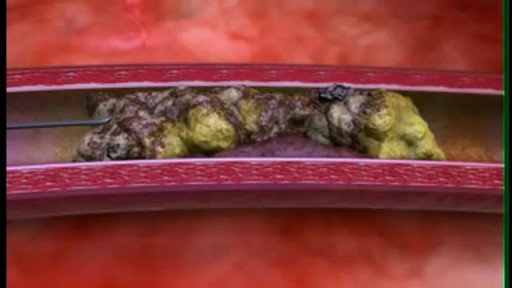
Peripheral artery disease is a narrowing of the arteries that carry blood to the legs, usually caused by fatty deposits in their walls. This page explains its symptoms, causes, and treatment in plain language, with videos to help you follow the key points.
✓ Medically reviewed by Dr. Mohamed Ibrahim, MD, PhD — physician-scientist · Last reviewed: November 2026
In short: In peripheral artery disease, narrowed leg arteries reduce blood flow to the leg muscles. It causes aching in the legs when walking that eases with rest. Care focuses on walking exercise, healthy habits, medicines, and protecting the feet.
Watch: Peripheral Artery Disease videos
Read: the plain-language guide
Overview
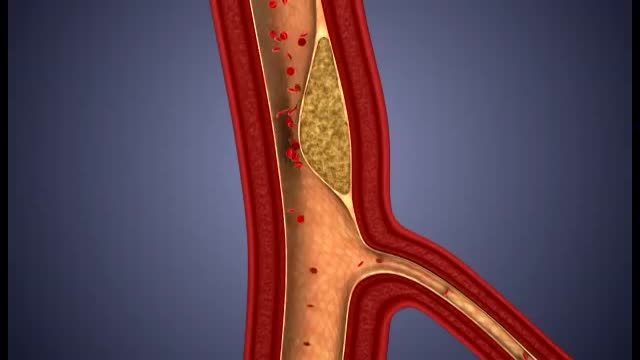
Arteries carry oxygen-rich blood from the heart to the rest of the body. In peripheral artery disease, fatty deposits narrow the arteries supplying the legs, so muscles receive less blood, especially during walking when they need more. The condition is part of the disease process that affects the heart and brain arteries, so people who have it face higher risk of heart attack and stroke. Many people have no symptoms and never know. With treatment, walking distance often improves and the risks to the heart, brain, and legs can all be reduced.
Symptoms
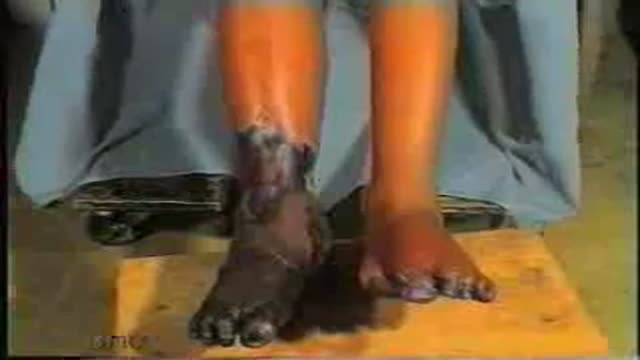
The typical symptom is aching, cramping, or tiredness in the calf, thigh, or buttock that comes on when walking and eases within minutes of resting. It tends to recur at a similar walking distance. Some people notice cold feet, pale or shiny skin on the legs, slow-growing toenails, or sores that heal slowly. Others have no leg symptoms at all. As the disease worsens, pain may occur at rest, especially at night, and wounds may fail to heal. New leg pain should not simply be put down to ageing without assessment.
Causes & risk factors
Peripheral artery disease is caused by the same build-up of fatty deposits that narrows arteries elsewhere in the body. Smoking is a particularly strong driver and also makes treatment less effective. Diabetes, high blood pressure, and high cholesterol damage artery walls and speed the narrowing. Age, excess weight, and lack of regular activity add risk. Because these factors are shared with heart and brain artery disease, finding peripheral artery disease is also a prompt to check and treat overall circulation risk, not just the legs alone.
How it's diagnosed
Assessment includes examining the legs and feet, feeling pulses, and checking blood pressure. A simple test compares blood pressure at the ankle with pressure at the arm; a lower ankle reading suggests narrowed leg arteries. Blood tests check cholesterol, blood sugar, and kidney function. Ultrasound scans can show blood flow and locate narrowings, and further imaging may be used if a procedure is being planned. The assessment also reviews heart and stroke risk, since protecting the whole circulation matters.
Treatment overview
Treatment aims to improve walking, protect the legs and feet, and lower heart attack and stroke risk. A supervised or structured walking program, building up gradually, is one of the most effective steps. Stopping smoking is essential. Medicines may include cholesterol-lowering treatment, medicines that reduce blood clotting, and treatment for blood pressure and diabetes where present. Daily foot care and prompt attention to cuts or sores protect the legs. Procedures to widen or bypass a narrowed artery are considered when symptoms limit daily life despite other treatment, or when blood flow is critically low.
When to seek care
Seek urgent help for a leg or foot that becomes suddenly painful, pale, cold, or numb, or for a foot sore that is spreading, blackening, or not healing. Pain in the legs at rest that keeps returning also needs prompt assessment rather than waiting.
Frequently asked questions
Is leg pain when walking always peripheral artery disease?
No. Joint, muscle, nerve, and back problems can also cause leg pain when walking. Pain from narrowed arteries typically comes on at a predictable walking distance and eases quickly with rest. An assessment, including pulse and blood pressure checks, helps find the cause.
Can walking really help if walking hurts?
Yes. Regular walking, built up gradually and continued despite mild discomfort, helps the legs use blood more efficiently and often increases the distance walked before pain starts. A structured walking program, where available, works better than unstructured advice to simply walk more.
Why are heart and stroke checks part of leg artery care?
The same artery disease that narrows leg arteries often affects the heart and brain arteries too, even without symptoms there. Checking and treating cholesterol, blood pressure, and blood sugar, and stopping smoking, lowers the risk of heart attack and stroke as well as leg problems.
Does peripheral artery disease lead to amputation?
Most people with peripheral artery disease never need an amputation, especially when risk factors are treated early. The risk rises when blood flow becomes critically low or wounds become infected, which is why prompt care for foot sores matters.
More in Heart & Circulation
Related topics on MedicalVideos.com
Sources & further reading
Authoritative references for readers who want to go deeper:
- MedlinePlus: Peripheral Artery Disease (MedlinePlus)
- CDC: About Peripheral Arterial Disease
- NHS: Peripheral Arterial Disease
This page is for general education only and is not medical advice. A suddenly painful, pale, cold, or numb leg may mean blood flow has been cut off and needs emergency care immediately.