
- Physical Examination
- Surgical Examination
- Ophthalmology
- Clinical Skills
- Orthopedics
- Surgery Videos
- Laparoscopy
- Pediatrics
- Funny Videos
- Cardiothoracic Surgery
- Nursing Videos
- Plastic Surgery
- Otorhinolaryngology
- Histology and Histopathology
- Neurosurgery
- Dermatology
- Pediatric Surgery
- Urology
- Dentistry
- Oncology and Cancers
- Anatomy Videos
- Health and Fitness
- Radiology
- Anaesthesia
- Physical Therapy
- Pharmacology
- Interventional Radiology
- Cardiology
- Endocrinology
- Gynecology
- Emergency Medicine
- Psychiatry and Psychology
- Childbirth Videos
- General Medical Videos
- Nephrology
- Physiology
- Diet and Food Health
- Diabetes Mellitus
- Neurology
- Women Health
- Osteoporosis
- Gastroenterology
- Pulmonology
- Hematology
- Rheumatology
- Toxicology
- Nuclear Medicine
- Infectious Diseases
- Vascular Disease
- Reproductive Health
- Burns and Wound Healing
- Kidney Zone Podcast
- Other
Heart Valve Disease
Heart valve disease is a problem with one or more of the heart valves, which may leak or fail to open fully. This page explains its symptoms, causes, and treatment in plain language, with videos to help you follow the key points.
✓ Medically reviewed by Dr. Mohamed Ibrahim, MD, PhD — physician-scientist · Last reviewed: November 2026
In short: In heart valve disease, a valve leaks or narrows, forcing the heart to work harder. It may cause breathlessness, tiredness, and palpitations, or be found as a murmur. Care ranges from monitoring to medicines and valve repair or replacement.
Watch: Heart Valve Disease videos

Read: the plain-language guide
Overview
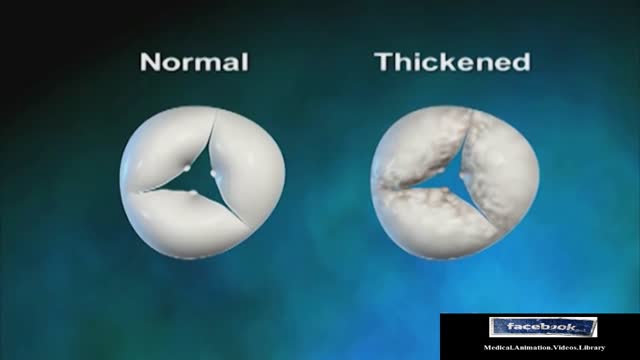
The heart has four valves that open and close with each beat, keeping blood flowing in one direction. Valve disease occurs when a valve becomes narrowed, so blood struggles to pass through, or leaky, so blood flows backwards. Either problem makes the heart work harder, and over time the heart muscle can thicken, stretch, or weaken. Mild valve problems may never cause symptoms and need only monitoring. Severe disease can lead to heart failure and rhythm problems. Regular review matters because symptoms can lag behind worsening valve function.
Symptoms
Symptoms usually appear gradually as the heart struggles. Breathlessness during activity or when lying flat, tiredness, and reduced exercise ability are common. Palpitations, light-headedness or fainting, chest discomfort, and swollen ankles can also occur. Many people have no symptoms for years, and the first sign is a murmur heard during a routine examination. Because people often adapt by doing less without realising, a slow decline in what they can manage may be the main clue. New or worsening symptoms in someone with known valve disease should always prompt review.
Causes & risk factors
Valve disease has several causes. Age-related wear and calcium build-up gradually stiffen valves, particularly the main outflow valve. Some people are born with an abnormally shaped valve that wears earlier. Past rheumatic fever can scar valves, and infection of a valve can damage it quickly. Heart muscle disease and long-standing high blood pressure can also distort valves and cause leakage. Identifying the cause and which valve is affected helps the care team judge how the problem is likely to progress and when intervention should be considered.
How it's diagnosed
A clinician may first hear a murmur through a stethoscope. An ultrasound scan of the heart is the key test, showing which valve is affected, whether it leaks or narrows, and how the heart is coping. A heart tracing checks rhythm, and blood tests and chest imaging may add useful information. Mild disease is usually followed with periodic scans. The timing of any procedure is guided by symptoms, scan measurements, and heart function together, which is why keeping monitoring appointments matters even when feeling well.
Treatment overview
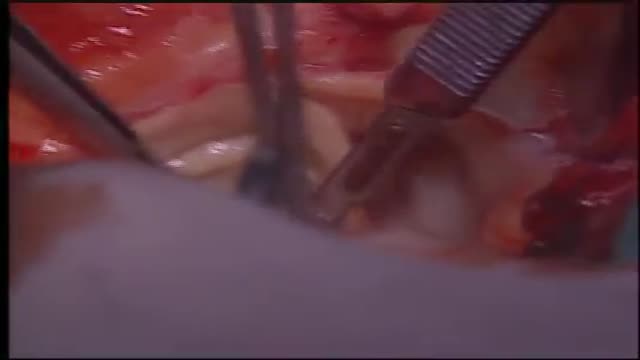
Mild valve disease often needs only monitoring and treatment of blood pressure and other conditions. Medicines cannot fix a faulty valve, but they can ease symptoms, control rhythm problems, and reduce strain on the heart. When disease becomes severe or symptoms develop, a procedure is usually considered: a valve may be repaired or replaced through open surgery, or in suitable people treated through a catheter approach. The choice depends on the valve, overall health, and personal preference, discussed with a specialist heart team. Lifelong follow-up continues after any procedure.
When to seek care
Seek urgent help for severe breathlessness, fainting, or chest pain. A sudden worsening of breathlessness, or fever with feeling very unwell in someone with valve disease, needs same-day assessment, as valve infection, though uncommon, is serious.
Frequently asked questions
What is a heart murmur?
A murmur is an extra sound heard through a stethoscope as blood flows through the heart. Murmurs often indicate a valve that leaks or narrows, but some murmurs are harmless. An ultrasound scan of the heart is used to find out whether a murmur matters.
Can medicines fix a damaged heart valve?
No medicine can repair a narrowed or leaky valve. Medicines can ease symptoms, control blood pressure and rhythm problems, and reduce strain on the heart. When valve disease becomes severe, a repair or replacement procedure is usually the treatment that addresses the valve itself.
Will I definitely need valve surgery one day?
Not necessarily. Many valve problems stay mild for life and need only monitoring. Intervention is considered when disease becomes severe, symptoms develop, or scans show the heart beginning to struggle. Regular follow-up scans help ensure any procedure happens at the right time.
Can I exercise with heart valve disease?
Most people with mild or moderate valve disease can stay active and benefit from regular exercise. With severe disease, or symptoms such as fainting or chest pain on exertion, exercise should be discussed with the care team first and adapted to what is safe.
More in Heart & Circulation
Related topics on MedicalVideos.com
Sources & further reading
Authoritative references for readers who want to go deeper:
This page is for general education only and is not medical advice. Fever with severe breathlessness or feeling very unwell in someone with heart valve disease can signal valve infection and needs urgent same-day assessment.