
- Physical Examination
- Surgical Examination
- Ophthalmology
- Clinical Skills
- Orthopedics
- Surgery Videos
- Laparoscopy
- Pediatrics
- Funny Videos
- Cardiothoracic Surgery
- Nursing Videos
- Plastic Surgery
- Otorhinolaryngology
- Histology and Histopathology
- Neurosurgery
- Dermatology
- Pediatric Surgery
- Urology
- Dentistry
- Oncology and Cancers
- Anatomy Videos
- Health and Fitness
- Radiology
- Anaesthesia
- Physical Therapy
- Pharmacology
- Interventional Radiology
- Cardiology
- Endocrinology
- Gynecology
- Emergency Medicine
- Psychiatry and Psychology
- Childbirth Videos
- General Medical Videos
- Nephrology
- Physiology
- Diet and Food Health
- Diabetes Mellitus
- Neurology
- Women Health
- Osteoporosis
- Gastroenterology
- Pulmonology
- Hematology
- Rheumatology
- Toxicology
- Nuclear Medicine
- Infectious Diseases
- Vascular Disease
- Reproductive Health
- Burns and Wound Healing
- Kidney Zone Podcast
- Other
Ovarian Cysts
Ovarian cysts are fluid-filled sacs that form on or inside an ovary. This page explains their symptoms, causes, and treatment in plain language, with videos to help you follow the key points.
✓ Medically reviewed by Dr. Mohamed Ibrahim, MD, PhD — physician-scientist · Last reviewed: November 2026
In short: Most ovarian cysts are harmless, form as part of the normal monthly cycle, and disappear on their own within a few cycles. Larger or persistent cysts can cause pelvic pain or bloating. A cyst that twists or bursts can cause sudden severe pain needing urgent care.
Watch: Ovarian Cysts videos
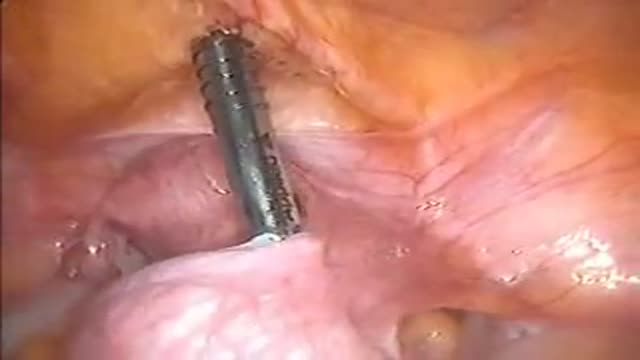
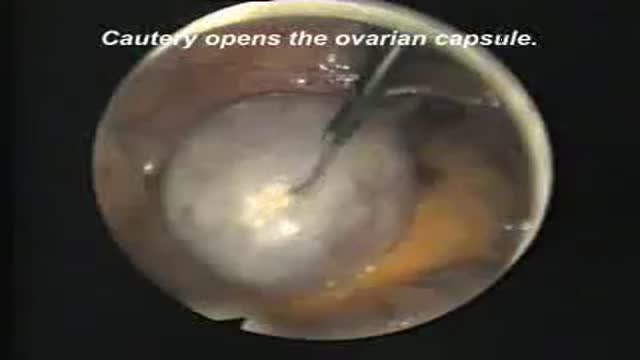

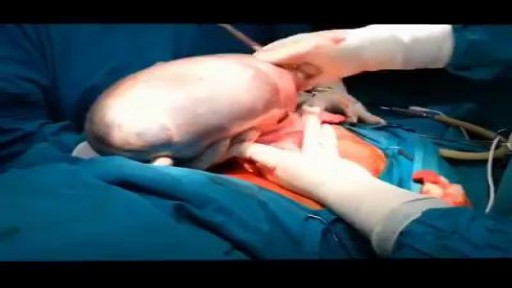
Read: the plain-language guide
Overview
The ovaries normally produce small fluid-filled structures each cycle as an egg matures, and a cyst forms when fluid collects in a sac on or within the ovary. Most cysts are functional, linked to ovulation, and resolve without treatment. Other types arise from cells of the ovary itself and may persist or grow slowly. Cysts are common at all ages but are found most often during the reproductive years. The great majority are benign. Size, appearance on scans, and symptoms together guide whether a cyst is watched or removed.
Symptoms
Most ovarian cysts cause no symptoms and are found incidentally on a scan done for another reason. Larger cysts may cause a dull ache or pressure in the lower abdomen, bloating, or discomfort during intercourse. A cyst can occasionally twist the ovary, cutting its blood supply, or rupture and bleed into the abdomen. Both events typically cause sudden, severe one-sided pelvic pain, sometimes with nausea, vomiting, dizziness, or shoulder-tip pain from internal bleeding. Such symptoms are an emergency and should never be waited out at home.
Causes & risk factors
Functional cysts form when the normal follicle that releases an egg either fails to release it or reseals afterwards and keeps filling with fluid. They are a by-product of ovulation and usually vanish within a few cycles. Other cysts develop from ovarian tissue: some contain skin, hair, or fatty material, others form from the lining cells of the ovary. In endometriosis, tissue similar to the womb lining can form cysts on the ovary. Polycystic ovary syndrome involves many small follicles rather than true single cysts.
How it's diagnosed
Diagnosis usually begins with an ultrasound scan, often through the vagina, which shows the cyst's size, position, and whether it looks simple and fluid-filled or more complex. Simple cysts in younger women are often simply rechecked after some weeks to confirm they have resolved. Blood tests may be used when the scan appearance raises questions, and an MRI scan can add detail. Because pelvic pain has many causes, clinicians also consider pregnancy, infection, and appendicitis, and may test for these before settling on a cyst as the explanation.
Treatment overview
Many cysts need no treatment beyond watchful waiting and a follow-up scan, since functional cysts usually disappear on their own. Pain relievers can ease discomfort while a cyst settles. Hormonal contraception does not shrink an existing cyst but may reduce the chance of new functional cysts forming. Surgery is considered for cysts that are large, persistent, growing, look unusual on scans, or cause significant symptoms. Where possible, only the cyst is removed and the ovary preserved; removal of the ovary itself is reserved for situations where that is not safe or practical.
When to seek care
Get emergency care for sudden severe pelvic pain, pain with vomiting, fever, faintness, or rapid breathing, as these can signal a twisted ovary or a ruptured cyst with internal bleeding. Arrange prompt review for persistent bloating, pelvic pressure, or pain that keeps returning.
Frequently asked questions
Do ovarian cysts turn into cancer?
The great majority of ovarian cysts are benign and never become cancer. Cysts found after menopause, or cysts with complex features on a scan, are assessed more carefully because the chance of cancer, while still low, is higher than in younger women.
Can an ovarian cyst burst?
Yes. A cyst can rupture, and many ruptures cause only brief pain that settles on its own. A rupture that bleeds heavily into the abdomen causes severe pain, dizziness, or faintness and needs emergency assessment and sometimes surgery.
Will I need surgery for an ovarian cyst?
Often not. Small, simple cysts are usually watched with a repeat scan and resolve without any procedure. Surgery is more likely when a cyst is large, persistent, growing, causes ongoing pain, or has features on scanning that need closer examination.
What is ovarian torsion?
Ovarian torsion is when an ovary, often weighed down by a cyst, twists on its supporting tissues and cuts off its own blood supply. It causes sudden severe one-sided pelvic pain, often with vomiting, and needs emergency surgery to save the ovary.
More in Women's Health
Related topics on MedicalVideos.com
Sources & further reading
Authoritative references for readers who want to go deeper:
This page is for general education only and is not medical advice. Sudden severe one-sided pelvic pain with vomiting in someone with an ovarian cyst may mean the ovary has twisted and needs emergency care.