
- Physical Examination
- Surgical Examination
- Ophthalmology
- Clinical Skills
- Orthopedics
- Surgery Videos
- Laparoscopy
- Pediatrics
- Funny Videos
- Cardiothoracic Surgery
- Nursing Videos
- Plastic Surgery
- Otorhinolaryngology
- Histology and Histopathology
- Neurosurgery
- Dermatology
- Pediatric Surgery
- Urology
- Dentistry
- Oncology and Cancers
- Anatomy Videos
- Health and Fitness
- Radiology
- Anaesthesia
- Physical Therapy
- Pharmacology
- Interventional Radiology
- Cardiology
- Endocrinology
- Gynecology
- Emergency Medicine
- Psychiatry and Psychology
- Childbirth Videos
- General Medical Videos
- Nephrology
- Physiology
- Diet and Food Health
- Diabetes Mellitus
- Neurology
- Women Health
- Osteoporosis
- Gastroenterology
- Pulmonology
- Hematology
- Rheumatology
- Toxicology
- Nuclear Medicine
- Infectious Diseases
- Vascular Disease
- Reproductive Health
- Burns and Wound Healing
- Kidney Zone Podcast
- Other
Menopause
Menopause is the natural stage of life when periods stop permanently because the ovaries produce much less estrogen. This page explains its symptoms and treatment in plain language, with videos to help you follow the key points.
✓ Medically reviewed by Dr. Mohamed Ibrahim, MD, PhD — physician-scientist · Last reviewed: November 2026
In short: Menopause is confirmed after a full year without a period, and the transition beforehand, called perimenopause, can last several years. Hot flashes, night sweats, sleep problems, and mood changes are common. Lifestyle measures and, for many women, hormone therapy can ease symptoms.
Watch: Menopause videos
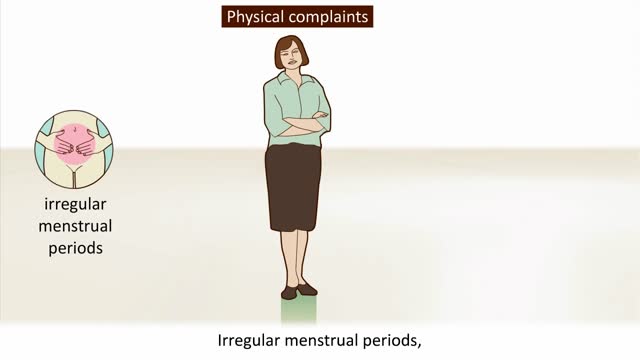
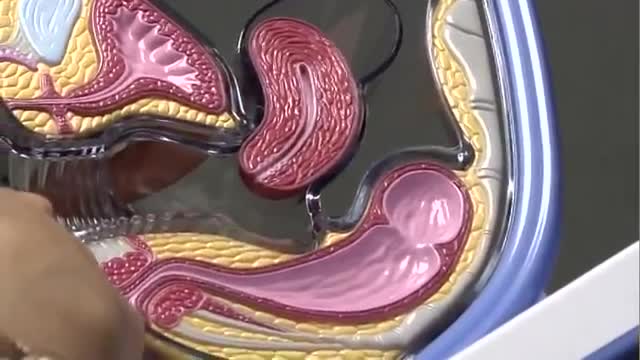


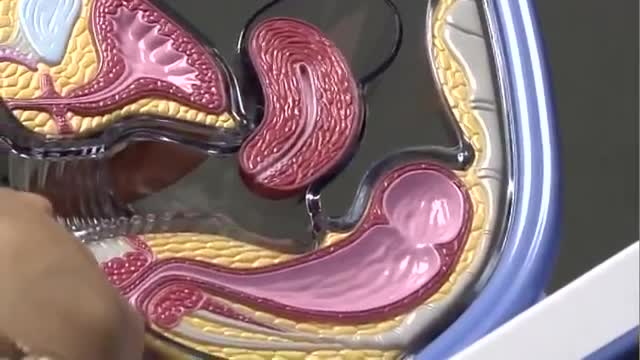
Read: the plain-language guide
Overview
Menopause is a normal life stage, not an illness. During perimenopause, hormone levels fluctuate and periods become irregular before stopping altogether; menopause itself is dated from the last period once a year has passed without bleeding. The average age is in the early fifties, though it can occur earlier or later. Menopause can also follow surgery to remove the ovaries or certain medical treatments. Falling estrogen affects many body systems, which explains the range of symptoms, and over the longer term it contributes to thinning bones and changes in cardiovascular risk.
Symptoms
Symptoms vary greatly: some women have few, others find them disruptive for years. Hot flashes and night sweats are the best known, and broken sleep often follows. Periods may become heavier, lighter, closer together, or further apart before stopping. Other common experiences include vaginal dryness and discomfort during intercourse, reduced libido, mood changes, anxiety, low mood, difficulty concentrating, and aches in joints and muscles. Symptoms usually ease with time after periods end, although vaginal dryness and bone thinning tend to persist without treatment.
Causes & risk factors
Natural menopause happens because the ovaries gradually run out of eggs and respond less to the hormones that drive the monthly cycle, so estrogen and progesterone production falls. The transition is a normal part of aging rather than a failure of the ovaries. Menopause occurs earlier if both ovaries are removed surgically, and treatments such as chemotherapy or pelvic radiotherapy can also bring it on. Occasionally menopause happens well before the usual age without an obvious cause; this is called premature ovarian insufficiency and deserves assessment and support.
How it's diagnosed
For women over the mid-forties with typical symptoms and changing periods, menopause is usually diagnosed from the pattern of symptoms alone, without blood tests. Hormone levels fluctuate so much during perimenopause that a single blood test can mislead. Testing is more useful when menopause is suspected at a younger age, or when another condition such as a thyroid problem could explain the symptoms. A pregnancy test may also be appropriate, since pregnancy remains possible until menopause is confirmed. Bleeding patterns and general health are reviewed at the same time.
Treatment overview
Treatment aims to relieve symptoms and protect long-term health. Lifestyle measures help many women: regular exercise, a balanced diet, limiting alcohol, not smoking, and keeping the bedroom cool for night sweats. Hormone therapy, using estrogen with a progestogen when the uterus is present, is the most effective treatment for hot flashes and also protects bones; its benefits and risks depend on age, timing, and personal history, so it needs individual discussion. Non-hormonal medicines can help selected symptoms, and vaginal estrogen eases dryness with minimal absorption into the body.
When to seek care
Arrange a review for any bleeding that returns after periods have stopped for a year, bleeding that is very heavy, or menopause symptoms beginning unusually early. Seek prompt advice for low mood that affects daily life, or new symptoms such as unexplained weight loss or a breast lump.
Frequently asked questions
How do I know menopause has happened?
Menopause is confirmed in hindsight, after twelve months without any period, in a woman of typical age with no other cause for the missed periods. The years of irregular periods and symptoms beforehand are the transition, called perimenopause.
Is hormone therapy safe?
For many women starting hormone therapy around the time of menopause, the benefits for symptoms and bone health outweigh the risks, but the balance is individual. It depends on age, personal and family history, and the type used, so it needs a proper discussion.
Can I still get pregnant during perimenopause?
Yes. Ovulation can still occur unpredictably during perimenopause, so pregnancy is possible until menopause is confirmed. Contraception is generally advised until a year after the last period, or longer at younger ages, and a clinician can advise on your situation.
Does menopause affect bones?
Yes. Estrogen helps maintain bone strength, and its fall at menopause speeds bone loss, raising the longer-term risk of osteoporosis and fractures. Weight-bearing exercise, adequate calcium and vitamin D, not smoking, and moderating alcohol all help protect bones.
More in Women's Health
Related topics on MedicalVideos.com
Sources & further reading
Authoritative references for readers who want to go deeper:
This page is for general education only and is not medical advice. Any vaginal bleeding that returns after periods have stopped for a full year should be checked promptly, even if it is light.