
- Physical Examination
- Surgical Examination
- Ophthalmology
- Clinical Skills
- Orthopedics
- Surgery Videos
- Laparoscopy
- Pediatrics
- Funny Videos
- Cardiothoracic Surgery
- Nursing Videos
- Plastic Surgery
- Otorhinolaryngology
- Histology and Histopathology
- Neurosurgery
- Dermatology
- Pediatric Surgery
- Urology
- Dentistry
- Oncology and Cancers
- Anatomy Videos
- Health and Fitness
- Radiology
- Anaesthesia
- Physical Therapy
- Pharmacology
- Interventional Radiology
- Cardiology
- Endocrinology
- Gynecology
- Emergency Medicine
- Psychiatry and Psychology
- Childbirth Videos
- General Medical Videos
- Nephrology
- Physiology
- Diet and Food Health
- Diabetes Mellitus
- Neurology
- Women Health
- Osteoporosis
- Gastroenterology
- Pulmonology
- Hematology
- Rheumatology
- Toxicology
- Nuclear Medicine
- Infectious Diseases
- Vascular Disease
- Reproductive Health
- Burns and Wound Healing
- Kidney Zone Podcast
- Other
Long QT and the QT Interval
Long QT means the heart takes longer than usual to reset electrically after each beat, measured on the ECG as the QT interval. This page explains how it is measured, the cut-offs commonly used, and the usual causes, in plain language with videos.
✓ Medically reviewed by Dr. Mohamed Ibrahim, MD, PhD — physician-scientist · Last reviewed: November 2026
Watch: Long QT and the QT Interval videos
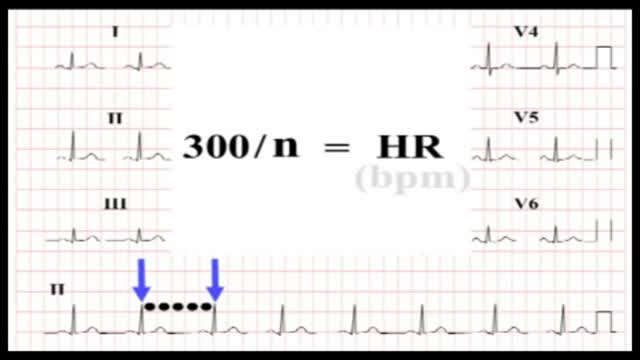 ECG Interpretation20,810 views
 Cardiac Arrhythmia17,801 views
 What is Ablation Procedure for arrhythmia2,980 views
 Common Arrhythmias2,103 views
Guide
What it is
The QT interval measures the time the lower chambers take to fire and then electrically reset. When that reset phase is unusually slow, the QT is prolonged. Causes fall into two groups. Some people are born with long QT syndrome, a condition of the heart's electrical channels that can run in families. More often, the QT is lengthened by circumstances: many common medicines, low potassium or magnesium in the blood, very slow heart rates, or combinations of these. The ECG is how it is found — usually on a routine tracing or after a faint.
What the tracing shows
On paper the QT interval runs from the start of the QRS complex to the end of the T wave. Because it shortens naturally as the heart beats faster, clinicians use the rate-corrected QTc to judge it. As a rule of thumb, the QT should look less than half the distance between two beats. Cut-offs commonly used for a prolonged QTc are above 450 milliseconds in men and above 470 milliseconds in women, with concern rising further around 500 milliseconds. Measurement is not always easy — the end of the T wave can be fuzzy — so borderline values are checked across several leads and beats.
What it can mean
A long QT matters because slow electrical recovery leaves the heart vulnerable to a fast, twisting rhythm called torsades de pointes, which can cause fainting or, rarely, cardiac arrest. Most long QT readings, though, are acquired and fixable: the team reviews medicines, corrects potassium and magnesium, and repeats the tracing. Inherited long QT syndrome needs specialist care, sometimes including beta blockers, advice about certain sports and medicines, and family screening. A borderline number on one tracing is common and is always re-measured before conclusions are drawn.
When it is urgent
Fainting — especially during exercise, swimming, or a sudden fright — in someone with a long QT needs urgent specialist assessment, as does a QTc around 500 milliseconds or more. If a new medicine is started and you faint or have severe palpitations, seek help the same day and mention the QT. Never stop a prescribed medicine on your own because of QT worries: discuss it promptly instead, because abrupt withdrawal can also be harmful. Keep an up-to-date list of everything you take, including over-the-counter and herbal products.
Common questions
What QTc counts as prolonged?
The QTc is the QT interval corrected for heart rate. Cut-offs commonly used are above 450 milliseconds for men and above 470 milliseconds for women, and risk rises further at around 500 milliseconds and beyond.
Which medicines prolong the QT interval?
Many common medicines can prolong the QT interval, including some antibiotics, antidepressants, antipsychotics, and heart-rhythm drugs. This is why a full medicine list — including over-the-counter and herbal products — matters at every review.
Is long QT inherited?
Yes. Long QT syndrome can be inherited, affecting the heart's electrical channels from birth, and often shows up in childhood or young adulthood. It can also be acquired later from medicines or low blood salts.
Why is a long QT dangerous?
The main risk is a fast, chaotic rhythm called torsades de pointes, which can cause fainting or, rarely, cardiac arrest. Not everyone with a long QTc has an event, which is why overall risk is assessed individually.
More in Rhythm Patterns
Related
Sources
- Long QT syndrome (NHS)
- Heart Arrhythmia (MedlinePlus)
- Arrhythmia (British Heart Foundation)
- Electrocardiogram (MedlinePlus Medical Encyclopedia)
This guide is general information, not medical advice, and does not replace advice from your own clinician. ECG patterns should always be interpreted in context by a trained professional. If you have chest pain, severe breathlessness, fainting or a racing heartbeat that will not settle, seek urgent medical care. QT measurements vary with heart rate and measurement method; a single borderline reading should be repeated and reviewed by a clinician.