
- Physical Examination
- Surgical Examination
- Ophthalmology
- Clinical Skills
- Orthopedics
- Surgery Videos
- Laparoscopy
- Pediatrics
- Funny Videos
- Cardiothoracic Surgery
- Nursing Videos
- Plastic Surgery
- Otorhinolaryngology
- Histology and Histopathology
- Neurosurgery
- Dermatology
- Pediatric Surgery
- Urology
- Dentistry
- Oncology and Cancers
- Anatomy Videos
- Health and Fitness
- Radiology
- Anaesthesia
- Physical Therapy
- Pharmacology
- Interventional Radiology
- Cardiology
- Endocrinology
- Gynecology
- Emergency Medicine
- Psychiatry and Psychology
- Childbirth Videos
- General Medical Videos
- Nephrology
- Physiology
- Diet and Food Health
- Diabetes Mellitus
- Neurology
- Women Health
- Osteoporosis
- Gastroenterology
- Pulmonology
- Hematology
- Rheumatology
- Toxicology
- Nuclear Medicine
- Infectious Diseases
- Vascular Disease
- Reproductive Health
- Burns and Wound Healing
- Kidney Zone Podcast
- Other
Atrial Fibrillation on an ECG
Atrial fibrillation on an ECG shows an irregular rhythm with no clear P waves, because the upper chambers quiver instead of beating in sequence. This page explains how the pattern is recognised, why it matters, and what usually happens next, in plain language with videos.
✓ Medically reviewed by Dr. Mohamed Ibrahim, MD, PhD — physician-scientist · Last reviewed: November 2026
Watch: Atrial Fibrillation on an ECG videos
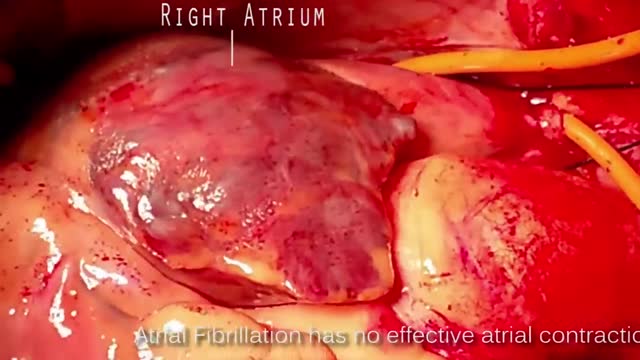 Atrial fibrillation vs Atrial Flutter61,493 views
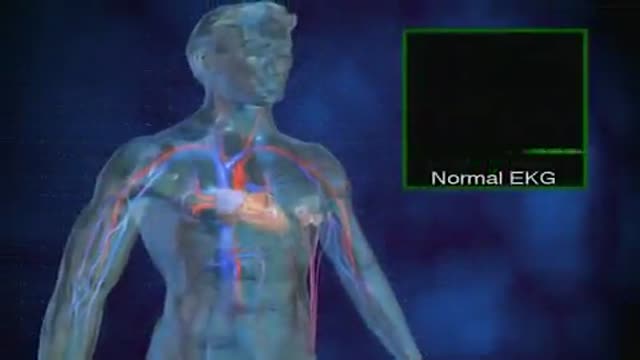 Atrial Fibrillation Effects13,230 views
 Protecting Loved Ones From Atrial Fibrillation13,130 views
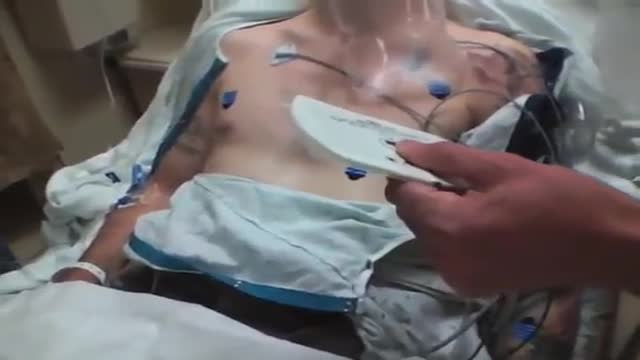 Cardioversion of Atrial Fibrillation13,093 views
 What is Atrial Fibrillation8,892 views
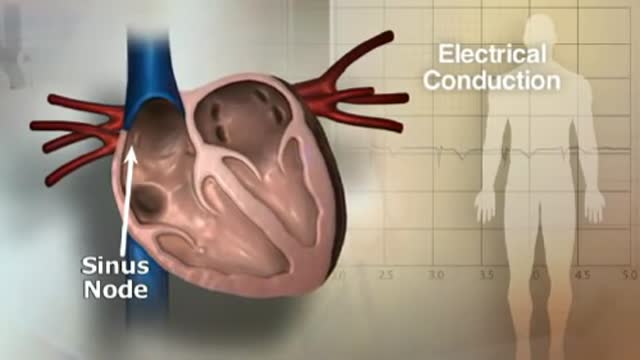 Atrial Fibrillation Treatments7,407 views
Guide
What it is
In atrial fibrillation the upper chambers (atria) stop beating in an orderly sequence. Instead of one clean signal from the sinus node, many tiny disorganised electrical waves ripple through the atria at once. The AV node, the gatekeeper between the chambers, lets through an irregular selection of these impulses, so the lower chambers beat unevenly and often too fast. Atrial fibrillation is the rhythm problem most often searched for on an ECG, and recognising its pattern is the first step to managing it.
What the tracing shows
The classic tracing shows no clear P waves, because the upper chambers are quivering rather than beating in an organised way. Instead, the baseline between QRS complexes looks fine and wobbly. The gaps between beats are uneven in a patternless way — clinicians call this 'irregularly irregular'. The QRS complexes themselves are usually narrow, since the lower chambers still conduct normally. The heart rate may be fast, especially in new cases, but it can also be controlled or slow, particularly in people taking rate-slowing medicines.
What it can mean
Confirming the pattern matters because atrial fibrillation has specific long-term risks. The quivering upper chambers let blood stagnate, so clots can form and travel to the brain, causing a stroke; that is why many people with atrial fibrillation take a blood-thinning medicine, chosen using risk scores. A persistently fast rate can also weaken the heart muscle over time. Treatment focuses on controlling the rate, sometimes restoring normal rhythm, and reducing stroke risk — all separate decisions from the ECG diagnosis itself.
When it is urgent
New atrial fibrillation with a very fast rate, chest pain, severe breathlessness, or fainting needs emergency care. Because the first hours and days matter for stroke prevention, a newly found irregular pulse or a wearable alert should be assessed promptly even if you feel well. Seek urgent advice the same day for a first episode, a racing pulse that does not settle, or symptoms such as weakness of the face, arm, or leg or speech difficulty — possible stroke signs that are always an emergency.
Common questions
Is an irregular pulse always atrial fibrillation?
Atrial fibrillation is typically irregularly irregular: the gaps between beats have no pattern at all. Other rhythms can be irregular too, which is why a proper tracing and clinical review are needed rather than a pulse check alone.
Can atrial fibrillation be missed on an ECG?
Yes. A standard ECG records only a few seconds, and if the rhythm is normal during those seconds the atrial fibrillation will not appear. Longer monitoring, such as a Holter or patch recorder, is used when the rhythm comes and goes.
Why does atrial fibrillation raise stroke risk?
The main long-term danger is stroke: blood can pool in the quivering upper chambers and form clots that may travel to the brain. Many people with atrial fibrillation are prescribed a blood thinner to reduce this risk, decided individually.
Can a smartwatch diagnose atrial fibrillation?
No. Wearables can flag a possible irregular rhythm and some can record a simple ECG strip, but diagnosis is confirmed by a clinician-reviewed ECG tracing.
More in Rhythm Patterns
Related
Sources
- Atrial Fibrillation (MedlinePlus)
- Atrial fibrillation (NHS)
- Atrial Fibrillation (CDC)
- Heart Arrhythmia (MedlinePlus)
This guide is general information, not medical advice, and does not replace advice from your own clinician. ECG patterns should always be interpreted in context by a trained professional. If you have chest pain, severe breathlessness, fainting or a racing heartbeat that will not settle, seek urgent medical care. Atrial fibrillation treatment decisions — including stroke-prevention medicines — are individual and must be made with your own clinician.