
- Physical Examination
- Surgical Examination
- Ophthalmology
- Clinical Skills
- Orthopedics
- Surgery Videos
- Laparoscopy
- Pediatrics
- Funny Videos
- Cardiothoracic Surgery
- Nursing Videos
- Plastic Surgery
- Otorhinolaryngology
- Histology and Histopathology
- Neurosurgery
- Dermatology
- Pediatric Surgery
- Urology
- Dentistry
- Oncology and Cancers
- Anatomy Videos
- Health and Fitness
- Radiology
- Anaesthesia
- Physical Therapy
- Pharmacology
- Interventional Radiology
- Cardiology
- Endocrinology
- Gynecology
- Emergency Medicine
- Psychiatry and Psychology
- Childbirth Videos
- General Medical Videos
- Nephrology
- Physiology
- Diet and Food Health
- Diabetes Mellitus
- Neurology
- Women Health
- Osteoporosis
- Gastroenterology
- Pulmonology
- Hematology
- Rheumatology
- Toxicology
- Nuclear Medicine
- Infectious Diseases
- Vascular Disease
- Reproductive Health
- Burns and Wound Healing
- Kidney Zone Podcast
- Other
Sinus Tachycardia and Bradycardia
Sinus tachycardia and sinus bradycardia are sinus rhythms that run faster or slower than the usual resting range, while still starting in the sinus node. This page explains what they look like on an ECG, their everyday causes, and when a fast or slow rate needs medical attention, with videos.
✓ Medically reviewed by Dr. Mohamed Ibrahim, MD, PhD — physician-scientist · Last reviewed: November 2026
Watch: Sinus Tachycardia and Bradycardia videos
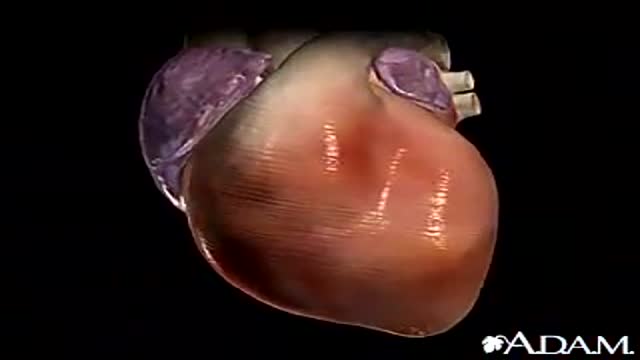 Cardiac Arrhythmia17,801 views
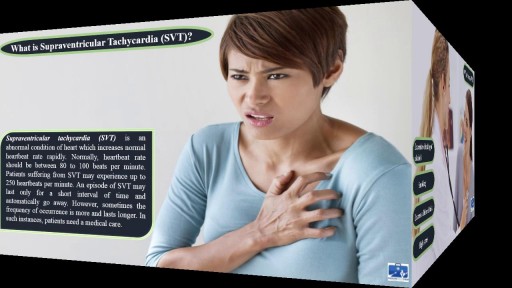 What is Supraventricular Tachycardia (SVT)9,603 views
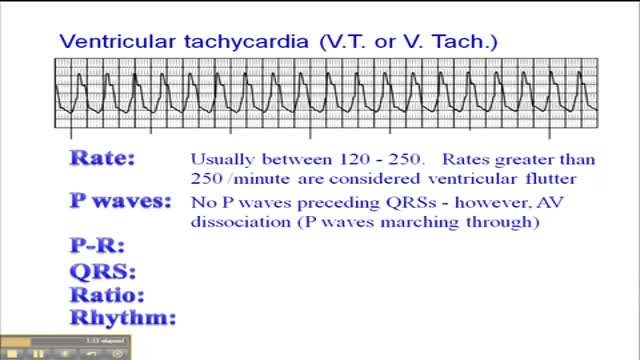 Ventricular Tachycardia3,026 views
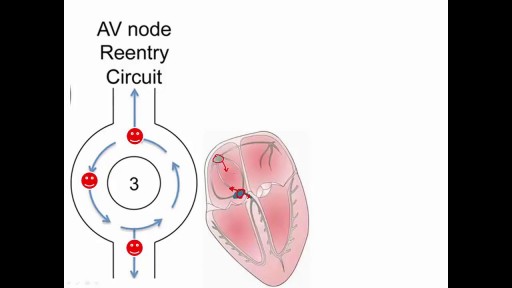 understanding supraventricular tachycardia or SVT2,211 views
 Common Arrhythmias2,103 views
Guide
What it is
Both rhythms keep the heart's normal electrical sequence; only the speed changes. Sinus tachycardia is common and usually appropriate: the body asks for more circulation during exercise, fever, blood loss, pain, anxiety, or illness, and the sinus node speeds up. Sinus bradycardia is typical during sleep and in physically fit people, whose hearts pump more with each beat and need fewer beats. Medicines such as beta blockers also slow the rate on purpose. The ECG diagnosis is easy — the pattern is normal sinus rhythm, just fast or slow.
What the tracing shows
On the tracing, both rhythms show a P wave before every narrow QRS complex, with even spacing between beats. In sinus tachycardia the waves are simply closer together, and at very fast rates the P wave can tuck into the T wave before it. In sinus bradycardia the beats are spaced further apart. Clinicians confirm the rate, check that the pattern is truly sinus, and then look for the reason — the tracing alone rarely tells whether a fast or slow rate is a problem, which is why symptoms and context decide what happens next.
What it can mean
A fast sinus rate is a sign, not a diagnosis: it points to something driving the heart — infection, dehydration, anaemia, an overactive thyroid, pain, or simply exertion — and occasionally to a heart or lung problem. A slow sinus rate matters mainly when it causes symptoms such as dizziness, fainting, unusual breathlessness, or inability to exercise, or when it appears in an older person without an obvious cause; then it can signal that the sinus node or the conduction system is wearing out. Persistent unexplained rates in either direction deserve a proper work-up.
When it is urgent
Seek urgent help for a fast heartbeat with chest pain, severe breathlessness, fainting, or confusion, and for a slow heartbeat with fainting or near-fainting. In hospital, an unexplained fast rate triggers checks for infection, bleeding, and blood clots, while a symptomatic slow rate may need medicines or a temporary or permanent pacemaker. Do not stop prescribed rate-slowing medicines because of a slow reading without medical advice — stopping suddenly can be harmful. A simple home pulse check during symptoms, noting the rate and regularity, is genuinely useful information for your clinician.
Common questions
What rate is sinus tachycardia?
Sinus tachycardia is a sinus rhythm faster than 100 beats per minute at rest. It is usually the body's normal response to exercise, fever, pain, anxiety, or illness rather than a rhythm fault.
Is sinus bradycardia dangerous?
Usually not. Sinus bradycardia — a sinus rhythm under 60 beats per minute — is normal during sleep and in fit people. It needs assessment when it causes dizziness, fainting, breathlessness, or exercise intolerance.
How is sinus tachycardia treated?
Treatment aims at the cause, such as fluids for dehydration, treatment of infection or pain, or review of thyroid problems and medicines. The rate itself is rarely the target unless it is causing harm.
Can medicines cause a slow heart rate?
Yes. Beta blockers, some calcium-channel blockers, digoxin, and several other medicines slow the sinus node or the AV node on purpose or as a side effect. Never stop them without medical advice.
More in Rhythm Patterns
Related
Sources
- Heart Arrhythmia (MedlinePlus)
- Arrhythmia (British Heart Foundation)
- Electrocardiogram (ECG) test (MedlinePlus)
- About Heart Disease (CDC)
This guide is general information, not medical advice, and does not replace advice from your own clinician. ECG patterns should always be interpreted in context by a trained professional. If you have chest pain, severe breathlessness, fainting or a racing heartbeat that will not settle, seek urgent medical care. Fast and slow sinus rhythms are usually responses to something else in the body; a persistent unexplained rate change should be assessed by a clinician.