- Physical Examination
- Surgical Examination
- Ophthalmology
- Clinical Skills
- Orthopedics
- Surgery Videos
- Laparoscopy
- Pediatrics
- Funny Videos
- Cardiothoracic Surgery
- Nursing Videos
- Plastic Surgery
- Otorhinolaryngology
- Histology and Histopathology
- Neurosurgery
- Dermatology
- Pediatric Surgery
- Urology
- Dentistry
- Oncology and Cancers
- Anatomy Videos
- Health and Fitness
- Radiology
- Anaesthesia
- Physical Therapy
- Pharmacology
- Interventional Radiology
- Cardiology
- Endocrinology
- Gynecology
- Emergency Medicine
- Psychiatry and Psychology
- Childbirth Videos
- General Medical Videos
- Nephrology
- Physiology
- Diet and Food Health
- Diabetes Mellitus
- Neurology
- Women Health
- Osteoporosis
- Gastroenterology
- Pulmonology
- Hematology
- Rheumatology
- Toxicology
- Nuclear Medicine
- Infectious Diseases
- Vascular Disease
- Reproductive Health
- Burns and Wound Healing
- Kidney Zone Podcast
- Other
Hypothermia — First Aid
What to do
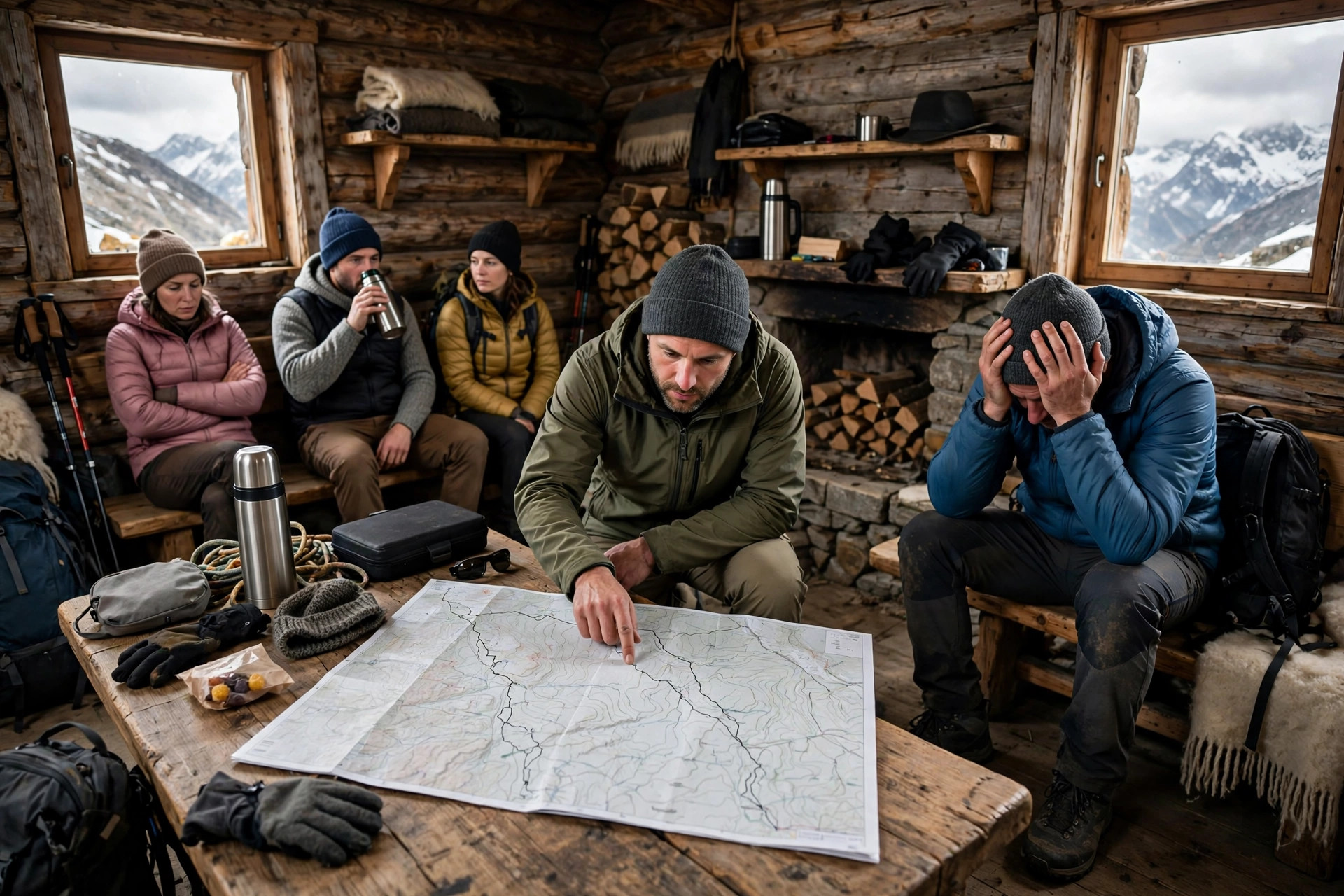
- Recognise hypothermia: shivering, cold pale skin, slow breathing, tiredness, confusion and clumsiness in someone exposed to cold. In severe cases shivering stops — a dangerous sign — and the person may become unconscious.
- Call 911, especially if the person is confused, drowsy, has stopped shivering, or is a baby, older person or someone found outdoors.
- Move the person to shelter from wind and rain if you can do so safely. Handle them gently and keep them horizontal — rough handling and sudden exertion can trigger heart rhythm problems in severe hypothermia.
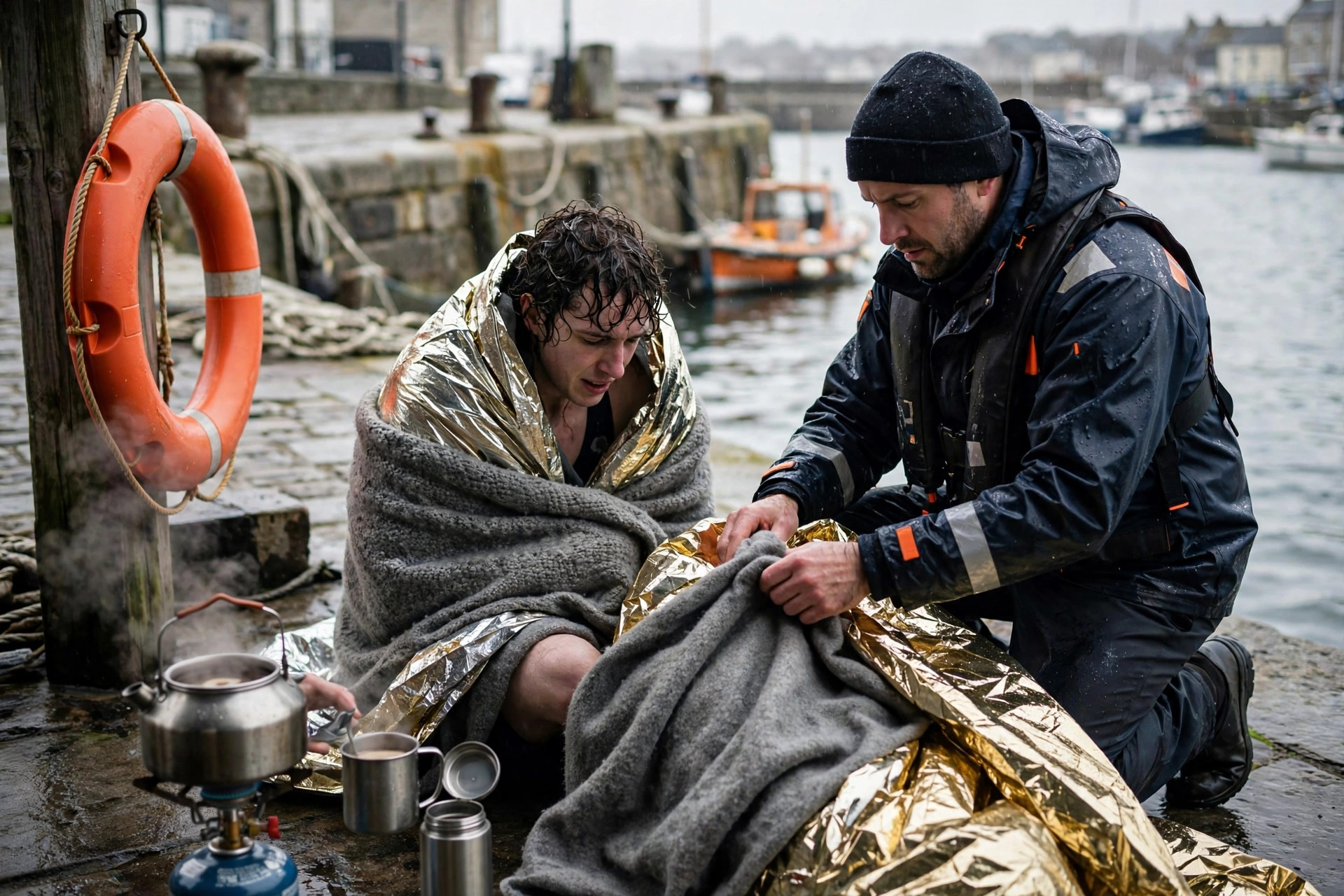
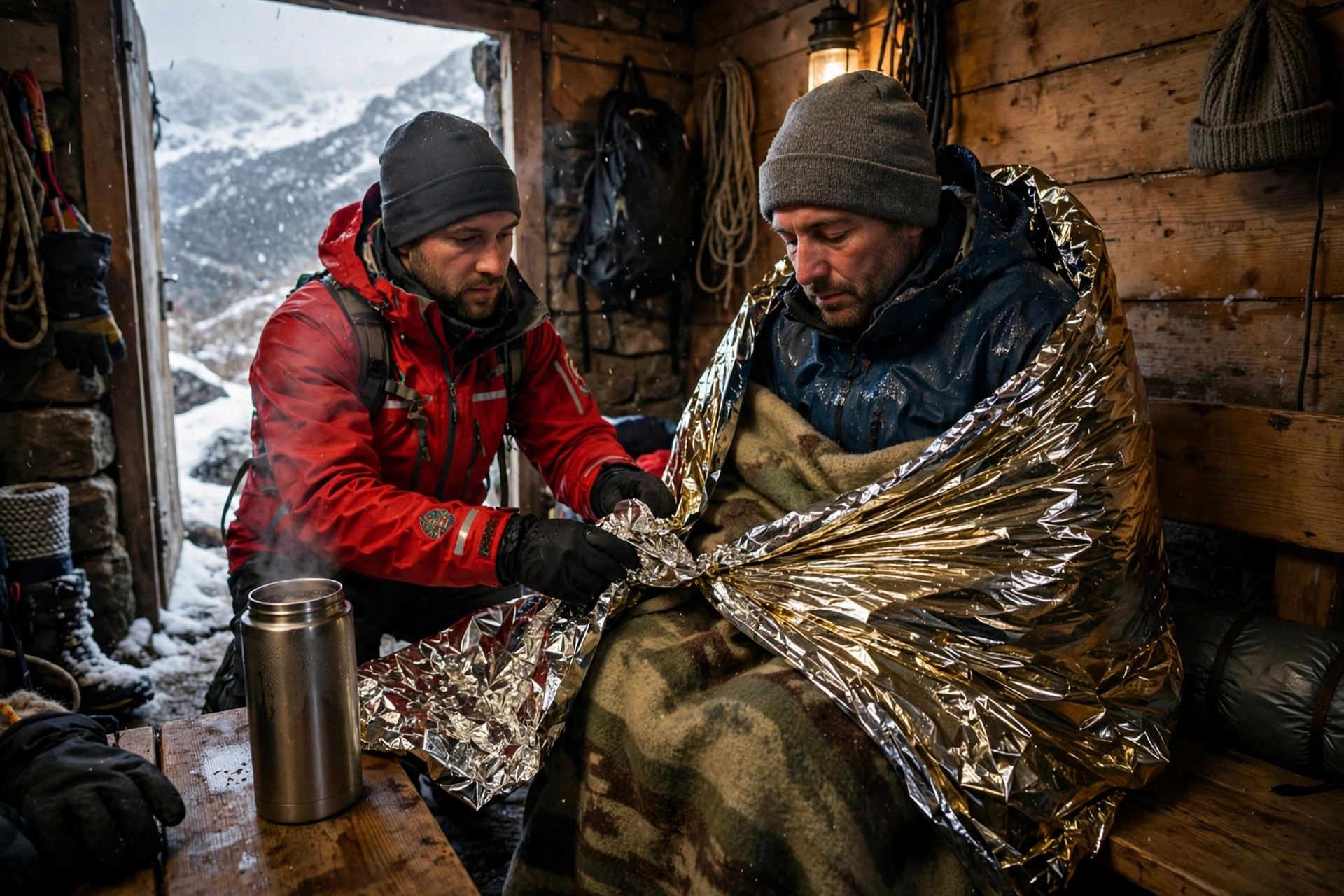
- Remove wet clothing (cut it off if needed to avoid movement) and dry the skin. Insulate with blankets, coats or a sleeping bag, including under the body, and cover the head. A foil emergency blanket goes over other insulation.
- If the person is fully conscious and can swallow, give a warm, sweet drink in sips. Never give alcohol.
- Monitor breathing continuously — it may be very slow. If they become unresponsive and you cannot detect normal breathing, start CPR and continue; hypothermic patients can survive prolonged resuscitation, so do not stop until professionals take over.
What NOT to do
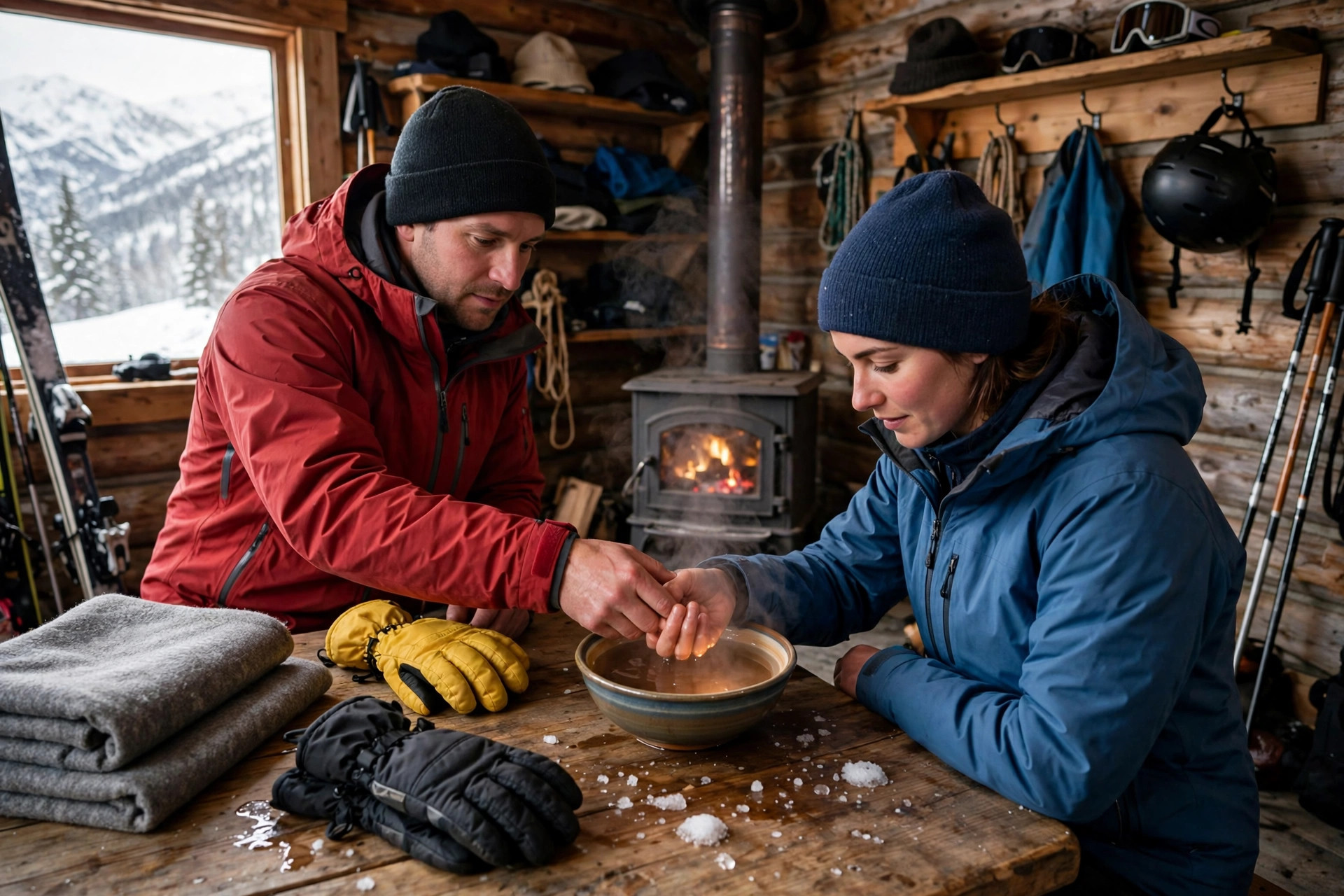
- Do not apply direct high heat (hot water bottles against skin, hot baths, heat lamps) — it can burn cold skin and drop blood pressure dangerously.
- Do not rub or massage the limbs, and do not make the person walk around to 'warm up' if they are severely affected.
- Do not give alcohol — it impairs temperature control and judgement.
- Do not assume someone cold and still is dead — hypothermia protects the brain, and resuscitation should continue until hospital assessment.
When to get medical care
Call 911 for anyone with confusion, drowsiness, stopped shivering, slurred speech or collapse from cold exposure, and for all babies, older people or unwell people found cold. Even mild hypothermia that does not improve quickly with shelter and insulation needs medical assessment.
Related symptoms
Frequently asked questions
Why must hypothermia be warmed gradually?
Cold blood in the limbs returning suddenly to the core can drop core temperature further and disturb heart rhythm, and cold skin burns easily. Gentle handling, insulation and warm drinks (if conscious) rewarm safely; hospitals add warmed fluids and air for severe cases.
Can hypothermia happen indoors?
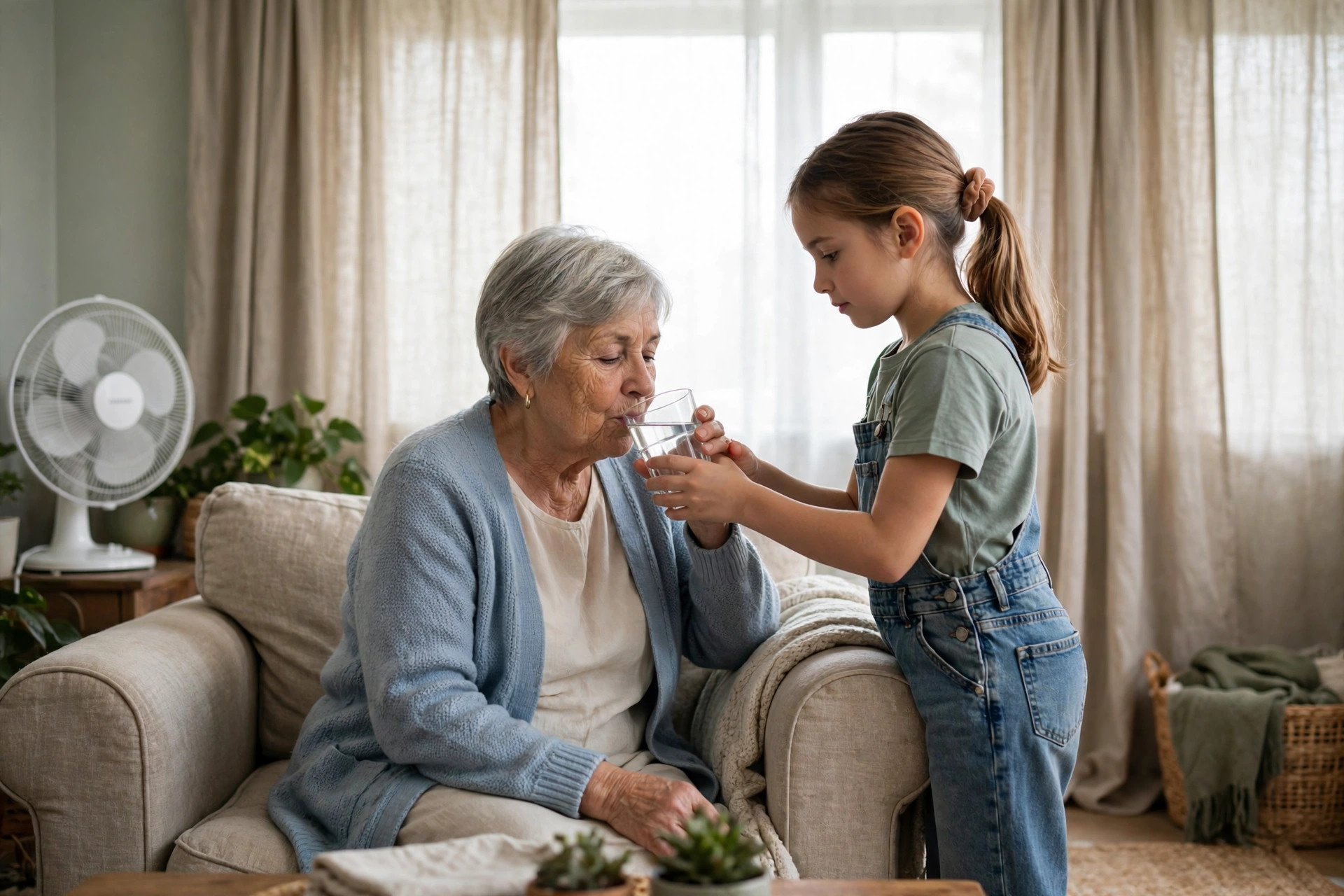
Yes — older people in inadequately heated homes, people who fall and lie on a cold floor for hours, and babies in cold rooms can all become hypothermic without outdoor exposure. A person who feels cold to touch at the trunk and is unusually drowsy or confused needs assessment.
In an emergency, call 911 (or your local emergency number) first — do not delay a call to read a guide. These pages are educational first-aid information in general terms; they are not a substitute for emergency services, first-aid training, or assessment by a qualified clinician.