
- Physical Examination
- Surgical Examination
- Ophthalmology
- Clinical Skills
- Orthopedics
- Surgery Videos
- Laparoscopy
- Pediatrics
- Funny Videos
- Cardiothoracic Surgery
- Nursing Videos
- Plastic Surgery
- Otorhinolaryngology
- Histology and Histopathology
- Neurosurgery
- Dermatology
- Pediatric Surgery
- Urology
- Dentistry
- Oncology and Cancers
- Anatomy Videos
- Health and Fitness
- Radiology
- Anaesthesia
- Physical Therapy
- Pharmacology
- Interventional Radiology
- Cardiology
- Endocrinology
- Gynecology
- Emergency Medicine
- Psychiatry and Psychology
- Childbirth Videos
- General Medical Videos
- Nephrology
- Physiology
- Diet and Food Health
- Diabetes Mellitus
- Neurology
- Women Health
- Osteoporosis
- Gastroenterology
- Pulmonology
- Hematology
- Rheumatology
- Toxicology
- Nuclear Medicine
- Infectious Diseases
- Vascular Disease
- Reproductive Health
- Burns and Wound Healing
- Kidney Zone Podcast
- Other
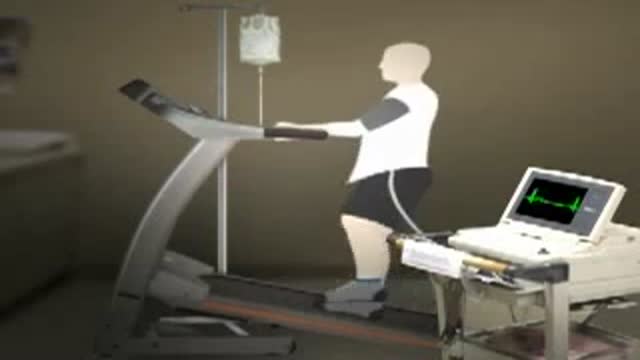
Exercise stress test (treadmill test)
Category: Heart Tests & Procedures · All heart tests & procedures
What it is
An exercise stress test records the heart's electrical activity, blood pressure and symptoms while you walk on a treadmill (or pedal an exercise bike) at gradually increasing effort.
Why it is done
It helps investigate chest pain and breathlessness, and shows how the heart responds to exertion when a narrowed heart artery is suspected. It can also assess fitness and exercise tolerance in some conditions.
How to prepare
Wear comfortable clothes and walking shoes. You may be asked not to eat a heavy meal beforehand and to avoid caffeine. Ask whether to take your usual medicines that day, because some heart medicines are sometimes paused for the test — only if the team advises it.
What happens during the procedure
Electrodes are attached to your chest and you walk as the treadmill speeds up and tilts every few minutes, until you are tired, develop symptoms, or the team stops the test. You are monitored throughout and for several minutes afterwards while you recover. The appointment usually takes 30 to 45 minutes.
Afterwards — recovery & results
Most people feel fine after a short rest. Results are usually discussed by the cardiology team and sent to your doctor; if the test suggests a problem you may be offered further tests such as a scan or angiogram.
Risks & considerations
The test is supervised and stopped if you develop significant symptoms. Serious complications are uncommon, but the team is trained and equipped for chest pain, rhythm problems or a fall in blood pressure during exercise.
Watch: Exercise stress test (treadmill test) videos
Real procedure videos from the MedicalVideos.com library. Some clinical footage is graphic — that is the nature of a medical video library.
Related guides on MedicalVideos.com
Frequently asked questions
What if I cannot walk on a treadmill?
Alternatives exist, such as a medicine that mimics the effect of exercise on the heart combined with imaging. The team will arrange the most suitable version for you.
Should I stop when I get chest pain?
Tell the team immediately about any chest pain, severe breathlessness or dizziness. They will decide whether to stop — you can ask to stop at any time.
Related procedures — Heart Tests & Procedures
Browse the E section of the A–Z list or return to the Procedures & Tests hub.