
- Physical Examination
- Surgical Examination
- Ophthalmology
- Clinical Skills
- Orthopedics
- Surgery Videos
- Laparoscopy
- Pediatrics
- Funny Videos
- Cardiothoracic Surgery
- Nursing Videos
- Plastic Surgery
- Otorhinolaryngology
- Histology and Histopathology
- Neurosurgery
- Dermatology
- Pediatric Surgery
- Urology
- Dentistry
- Oncology and Cancers
- Anatomy Videos
- Health and Fitness
- Radiology
- Anaesthesia
- Physical Therapy
- Pharmacology
- Interventional Radiology
- Cardiology
- Endocrinology
- Gynecology
- Emergency Medicine
- Psychiatry and Psychology
- Childbirth Videos
- General Medical Videos
- Nephrology
- Physiology
- Diet and Food Health
- Diabetes Mellitus
- Neurology
- Women Health
- Osteoporosis
- Gastroenterology
- Pulmonology
- Hematology
- Rheumatology
- Toxicology
- Nuclear Medicine
- Infectious Diseases
- Vascular Disease
- Reproductive Health
- Burns and Wound Healing
- Kidney Zone Podcast
- Other
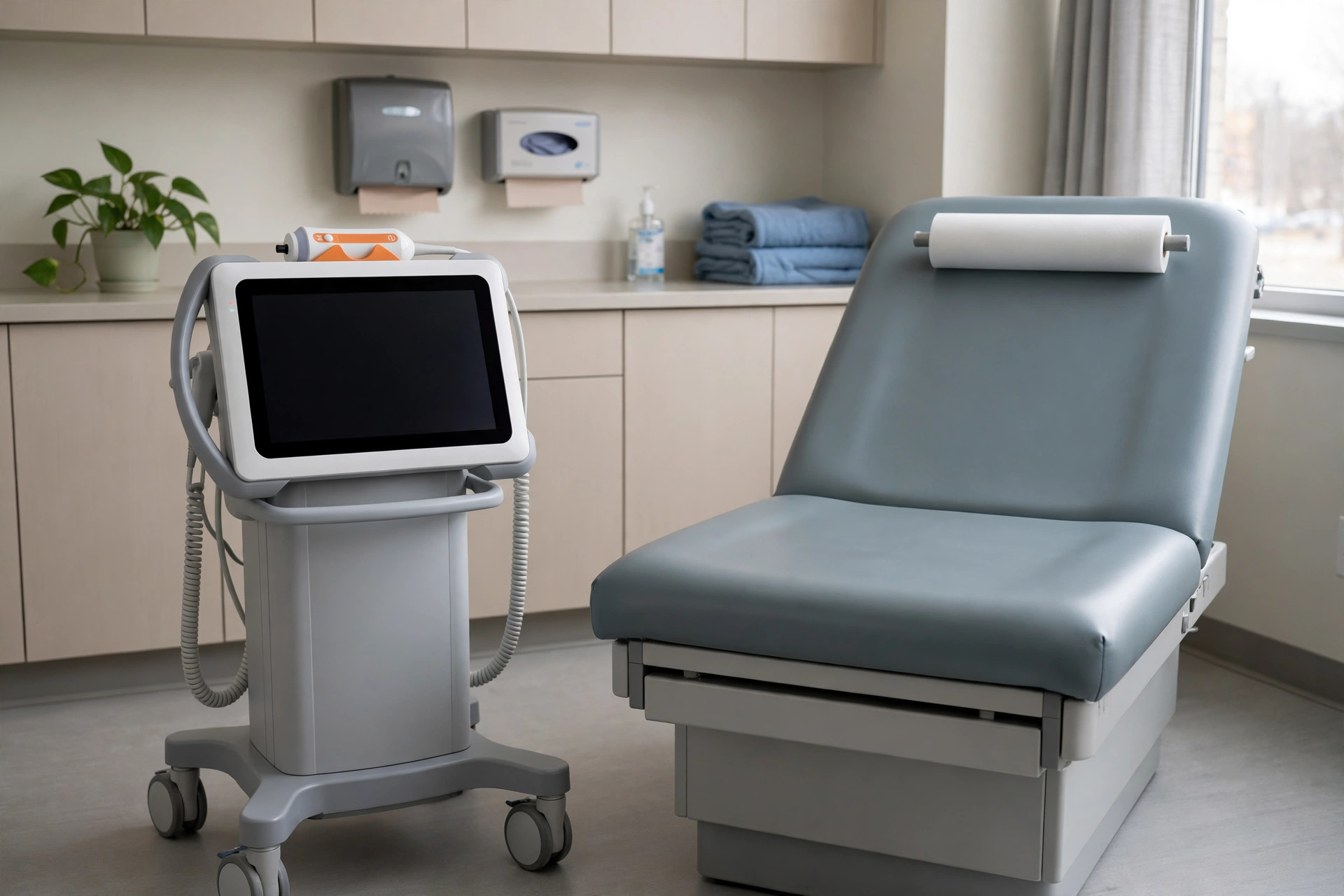
Liver elastography (FibroScan)
Category: Digestive Tests & Procedures · All digestive tests & procedures
What it is
Liver elastography (commonly FibroScan) is a painless ultrasound-based test that measures liver stiffness, which reflects scarring (fibrosis), and can also estimate fat in the liver.
Why it is done
It is used to assess liver fibrosis in conditions such as fatty liver disease, viral hepatitis and alcohol-related liver disease, helping decide who needs further tests, biopsy or closer monitoring.
How to prepare
You may be asked not to eat for a few hours beforehand, as a recent meal can raise the reading. Otherwise no special preparation is needed.
What happens during the procedure
You lie on your back with your right arm raised. A probe is placed on the skin over the liver and sends painless pulses; the machine takes about ten measurements in a few minutes. It feels like a light flick against the ribs.
Afterwards — recovery & results
You can leave straight away and results are often available immediately to the clinic team, who will explain the score together with your blood tests.
Risks & considerations
The test has no known risks. Readings are less reliable in people with severe obesity, fluid around the liver, or active liver inflammation, and the result is one part of the overall assessment rather than a standalone diagnosis.
Related guides on MedicalVideos.com
Frequently asked questions
Does a high score mean I have cirrhosis?
Not necessarily. Stiffness rises with scarring but also with inflammation and congestion. Your specialist interprets the number with blood tests and scans before drawing conclusions.
Can FibroScan replace a liver biopsy?
For many people it now avoids the need for biopsy, but biopsy is still used when the cause of liver disease is unclear or extra detail is needed.
Related procedures — Digestive Tests & Procedures
Browse the L section of the A–Z list or return to the Procedures & Tests hub.