
- Physical Examination
- Surgical Examination
- Ophthalmology
- Clinical Skills
- Orthopedics
- Surgery Videos
- Laparoscopy
- Pediatrics
- Funny Videos
- Cardiothoracic Surgery
- Nursing Videos
- Plastic Surgery
- Otorhinolaryngology
- Histology and Histopathology
- Neurosurgery
- Dermatology
- Pediatric Surgery
- Urology
- Dentistry
- Oncology and Cancers
- Anatomy Videos
- Health and Fitness
- Radiology
- Anaesthesia
- Physical Therapy
- Pharmacology
- Interventional Radiology
- Cardiology
- Endocrinology
- Gynecology
- Emergency Medicine
- Psychiatry and Psychology
- Childbirth Videos
- General Medical Videos
- Nephrology
- Physiology
- Diet and Food Health
- Diabetes Mellitus
- Neurology
- Women Health
- Osteoporosis
- Gastroenterology
- Pulmonology
- Hematology
- Rheumatology
- Toxicology
- Nuclear Medicine
- Infectious Diseases
- Vascular Disease
- Reproductive Health
- Burns and Wound Healing
- Kidney Zone Podcast
- Other
Peripheral angiography and angioplasty (leg arteries)
Category: Heart Tests & Procedures · All heart tests & procedures
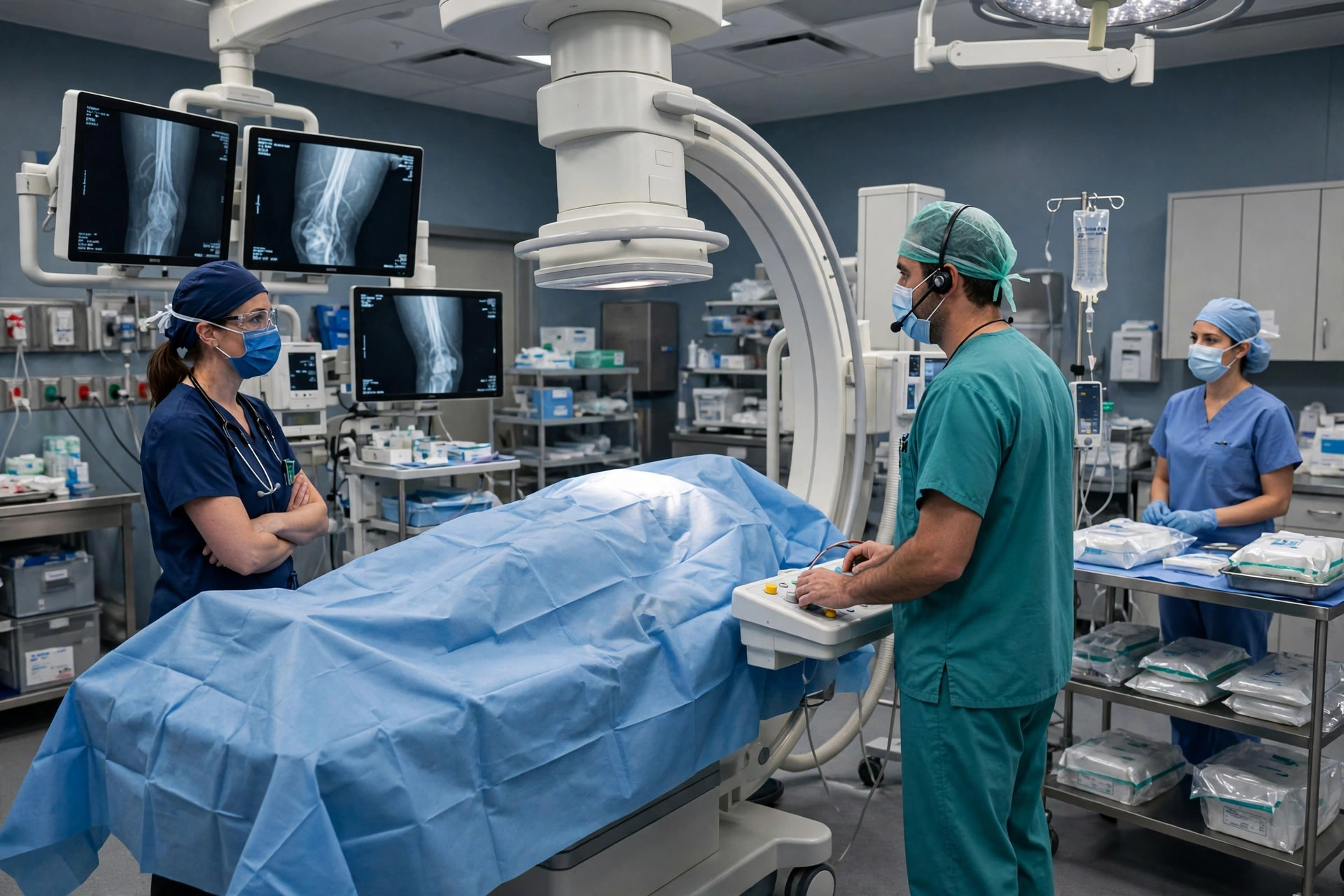
What it is
Peripheral angiography takes X-ray pictures of the leg arteries using contrast dye injected through a thin catheter, showing narrowings and blockages. Where suitable, angioplasty treats the narrowing at the same session — a balloon stretches the artery, sometimes leaving a stent to hold it open.
Why it is done
It investigates and treats peripheral arterial disease — leg pain when walking (claudication), pain at rest, and ulcers or gangrene from poor circulation (critical limb ischaemia). CT or MR angiography and ultrasound often map the disease first.
How to prepare
You will have blood tests including kidney function and clotting, and a medicines review (metformin and blood thinners are planned around the procedure). You usually fast for a few hours and are given fluids to protect the kidneys. Tell the team about contrast allergy and kidney disease.
What happens during the procedure
Under local anaesthetic at the groin (or wrist/arm), a catheter is threaded to the leg arteries and dye injections take the pictures — you feel a hot flush as dye goes in. If a narrowing is treated, the balloon inflation may cause a brief ache in the leg. The session takes about one to two hours.
Afterwards — recovery & results
You rest flat for several hours while the puncture seals, with checks of the foot pulses and groin. Many patients go home the same or next day. Walking is encouraged once recovered; smoking cessation, antiplatelet and statin medicines, and exercise are the long-term mainstays. Report a painful, pale or cold foot, or groin swelling, promptly.
Risks & considerations
Risks include bruising or bleeding at the puncture (occasionally a significant haematoma or false aneurysm), contrast effects on kidneys and allergy, artery injury or distal blockage from dislodged debris, and re-narrowing over time. Your vascular team will discuss your anatomy and alternatives, including bypass surgery.
Related guides on MedicalVideos.com
Frequently asked questions
Angioplasty or bypass — how is it decided?
It depends on the pattern and length of disease, your overall fitness, and vein availability for bypass. Shorter narrowings suit angioplasty; long or complex blockages often do better with bypass. A vascular multidisciplinary team decides.
Will it fix my walking pain?
Improving blood flow usually improves walking distance and is essential for healing ulcers. Supervised exercise also has strong evidence for claudication and is offered alongside.
Related procedures — Heart Tests & Procedures
Browse the P section of the A–Z list or return to the Procedures & Tests hub.