- Physical Examination
- Surgical Examination
- Ophthalmology
- Clinical Skills
- Orthopedics
- Surgery Videos
- Laparoscopy
- Pediatrics
- Funny Videos
- Cardiothoracic Surgery
- Nursing Videos
- Plastic Surgery
- Otorhinolaryngology
- Histology and Histopathology
- Neurosurgery
- Dermatology
- Pediatric Surgery
- Urology
- Dentistry
- Oncology and Cancers
- Anatomy Videos
- Health and Fitness
- Radiology
- Anaesthesia
- Physical Therapy
- Pharmacology
- Interventional Radiology
- Cardiology
- Endocrinology
- Gynecology
- Emergency Medicine
- Psychiatry and Psychology
- Childbirth Videos
- General Medical Videos
- Nephrology
- Physiology
- Diet and Food Health
- Diabetes Mellitus
- Neurology
- Women Health
- Osteoporosis
- Gastroenterology
- Pulmonology
- Hematology
- Rheumatology
- Toxicology
- Nuclear Medicine
- Infectious Diseases
- Vascular Disease
- Reproductive Health
- Burns and Wound Healing
- Kidney Zone Podcast
- Other
Peritoneum
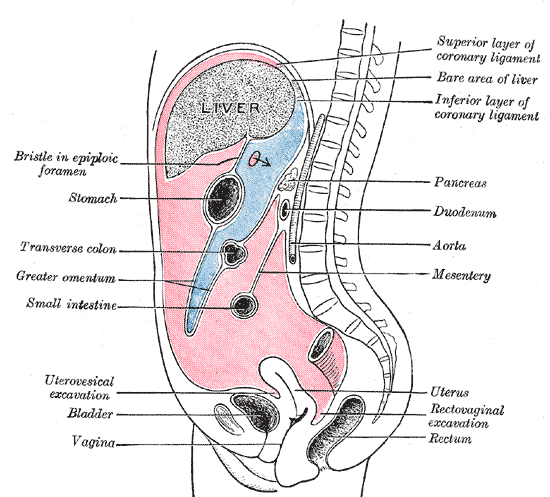
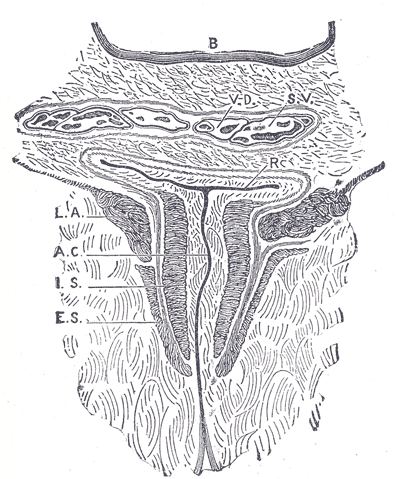
Gray's Anatomy (1918) plate, public domain
The peritoneum is the glistening membrane lining the abdominal cavity and wrapping most of the organs within it. Its outer (parietal) layer lines the abdominal wall; its inner (visceral) layer coats the organs, and folds of it (the mesentery and omentum) carry blood vessels and nerves to the gut. A thin film of fluid lets organs slide against each other as you breathe and digest.
Key facts
- The peritoneum has a surface area roughly equal to that of the skin.
- Its absorptive capacity is used therapeutically in peritoneal dialysis, where the membrane acts as a filter for kidney failure.
- The omentum — a fatty apron of peritoneum — can migrate to sites of inflammation and help wall them off, earning it the nickname 'the abdominal policeman'.
- The parietal layer is pain-sensitive, which is why abdominal inflammation can be localised precisely.
What can go wrong
Inflammation of the peritoneum (peritonitis) — classically from a perforated ulcer, appendix or bowel — causes severe pain, board-like rigidity of the abdomen and serious illness, and is a surgical emergency. Fluid collecting in the cavity (ascites) most often signals advanced liver disease. Cancers can seed the peritoneum (peritoneal carcinomatosis), and long-term dialysis can thicken it.
Related conditions
Related procedures & tests
Related symptoms
Watch: related videos
Frequently asked questions
What is peritoneal dialysis?
A treatment for kidney failure in which dialysis fluid is run into the peritoneal cavity; waste products cross the peritoneal membrane into the fluid, which is then drained away.
Why does peritonitis make the abdomen rigid?
Inflammation of the pain-sensitive parietal peritoneum triggers reflex spasm of the abdominal wall muscles, producing the classic board-like stiffness.
Educational information only. This atlas explains normal anatomy and describes conditions in general terms; it is not medical advice and does not replace assessment by a qualified clinician. If you have symptoms that worry you, seek medical care.