- Physical Examination
- Surgical Examination
- Ophthalmology
- Clinical Skills
- Orthopedics
- Surgery Videos
- Laparoscopy
- Pediatrics
- Funny Videos
- Cardiothoracic Surgery
- Nursing Videos
- Plastic Surgery
- Otorhinolaryngology
- Histology and Histopathology
- Neurosurgery
- Dermatology
- Pediatric Surgery
- Urology
- Dentistry
- Oncology and Cancers
- Anatomy Videos
- Health and Fitness
- Radiology
- Anaesthesia
- Physical Therapy
- Pharmacology
- Interventional Radiology
- Cardiology
- Endocrinology
- Gynecology
- Emergency Medicine
- Psychiatry and Psychology
- Childbirth Videos
- General Medical Videos
- Nephrology
- Physiology
- Diet and Food Health
- Diabetes Mellitus
- Neurology
- Women Health
- Osteoporosis
- Gastroenterology
- Pulmonology
- Hematology
- Rheumatology
- Toxicology
- Nuclear Medicine
- Infectious Diseases
- Vascular Disease
- Reproductive Health
- Burns and Wound Healing
- Kidney Zone Podcast
- Other
Respiratory System

Video still from MedicalVideos.com: the respiratory system
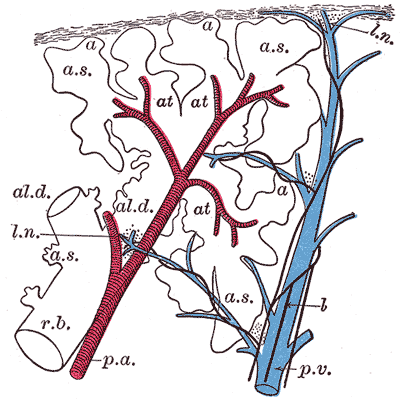
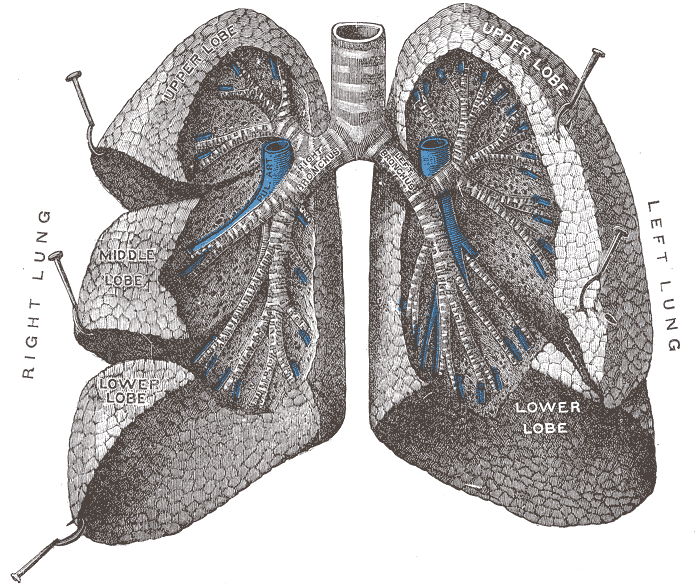
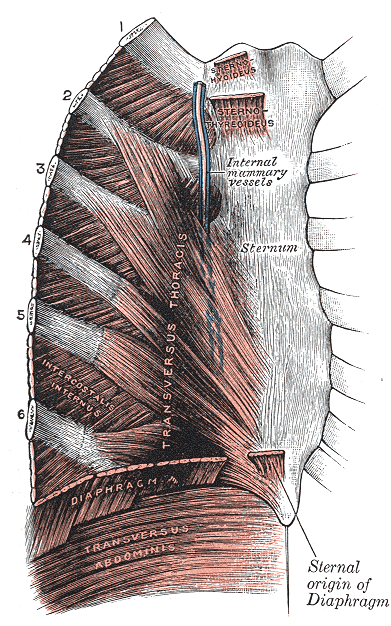
The respiratory system moves air from the nose and mouth through the pharynx, larynx, trachea and bronchial tree into the alveoli of the lungs, where oxygen and carbon dioxide exchange with the blood. It also filters, warms and humidifies air, houses the sense of smell, produces voice, and helps regulate the blood's acidity by controlling carbon dioxide levels. The diaphragm and chest-wall muscles power the whole system like a bellows.
Key facts
- At rest you breathe roughly 12-20 times a minute, moving about 6-8 litres of air.
- The system defends itself with mucus, cilia, cough and immune cells stationed along the airways.
- Breathing rate is set mainly by carbon dioxide levels sensed in the brainstem, not by oxygen.
- The same passage that breathes also smells, speaks and swallows — coordination handled largely in the brainstem.
What can go wrong
Because the system spans the nose, airways, lungs, muscles and their nerves, problems can arise at many levels: blocked upper airways (sleep apnoea), narrowed bronchi (asthma), damaged alveoli (emphysema), infections, weak breathing muscles in neurological disease, or blood-flow problems such as pulmonary embolism. Breathlessness, cough and wheeze are its cardinal symptoms.
Related conditions
Related procedures & tests
Related symptoms
Related muscles
Watch: related videos
Frequently asked questions
How much air do the lungs hold?
Total capacity in a healthy adult is around 6 litres, though a quiet breath moves only about half a litre; deep breathing recruits much more of the reserve.
Why do we breathe faster during exercise?
Working muscles produce more carbon dioxide; sensors in the brainstem detect the change and increase the rate and depth of breathing to clear it and bring in more oxygen.
Educational information only. This atlas explains normal anatomy and describes conditions in general terms; it is not medical advice and does not replace assessment by a qualified clinician. If you have symptoms that worry you, seek medical care.