- Physical Examination
- Surgical Examination
- Ophthalmology
- Clinical Skills
- Orthopedics
- Surgery Videos
- Laparoscopy
- Pediatrics
- Funny Videos
- Cardiothoracic Surgery
- Nursing Videos
- Plastic Surgery
- Otorhinolaryngology
- Histology and Histopathology
- Neurosurgery
- Dermatology
- Pediatric Surgery
- Urology
- Dentistry
- Oncology and Cancers
- Anatomy Videos
- Health and Fitness
- Radiology
- Anaesthesia
- Physical Therapy
- Pharmacology
- Interventional Radiology
- Cardiology
- Endocrinology
- Gynecology
- Emergency Medicine
- Psychiatry and Psychology
- Childbirth Videos
- General Medical Videos
- Nephrology
- Physiology
- Diet and Food Health
- Diabetes Mellitus
- Neurology
- Women Health
- Osteoporosis
- Gastroenterology
- Pulmonology
- Hematology
- Rheumatology
- Toxicology
- Nuclear Medicine
- Infectious Diseases
- Vascular Disease
- Reproductive Health
- Burns and Wound Healing
- Kidney Zone Podcast
- Other
Spinal Canal
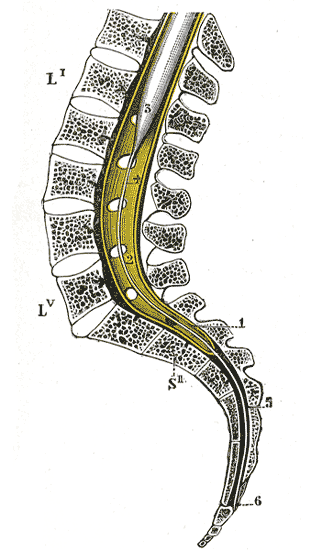
Gray's Anatomy (1918) plate, public domain
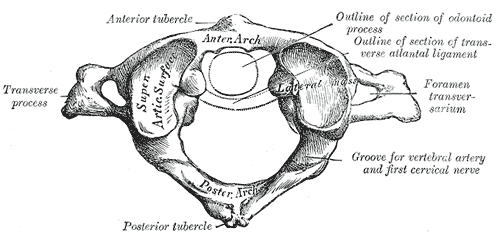
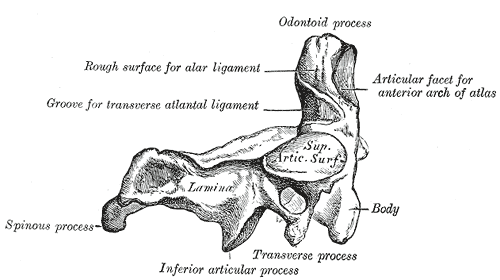
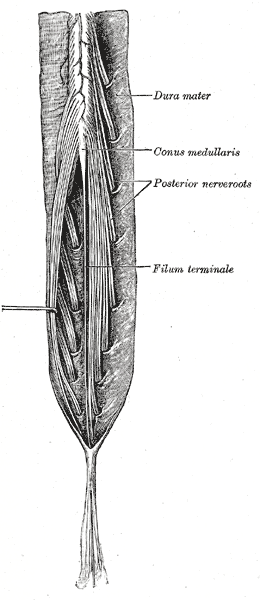
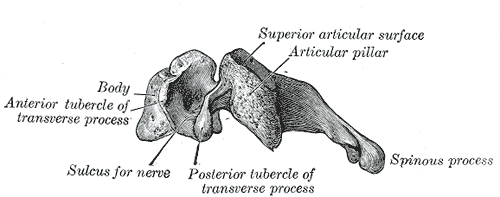
The spinal canal is the tunnel formed by the stacked vertebral arches running the length of the spine, housing the spinal cord in the neck and upper back and the cauda equina nerve bundle below. It is lined by the dural sac containing cerebrospinal fluid, with fatty tissue and veins in the surrounding epidural space. Its width varies — widest in the neck — and it must accommodate the cord's movement as the spine bends.
Key facts
- The canal's cross-section is triangular in the neck and lumbar spine, rounder in the thoracic region.
- The epidural space outside the dural sac is the target of epidural anaesthesia in labour and surgery.
- The cord ends around the L1-L2 level in adults, which is why lumbar punctures are done below that.
- Ligaments (especially the ligamentum flavum) line its back wall and can thicken with age, narrowing the space.
What can go wrong
Age-related narrowing of the canal (spinal stenosis) — from disc bulges, thickened ligaments and arthritic joints — squeezes the nerves, classically causing leg pain and heaviness when walking that eases with sitting or bending forward (neurogenic claudication). In the neck, stenosis can compress the cord itself (myelopathy) with clumsy hands and gait problems. Tumours, abscesses and blood collections in the canal are rarer but urgent causes of compression.
Related procedures & tests
Related symptoms
Frequently asked questions
What is spinal stenosis?
Narrowing of the spinal canal or nerve exit holes, usually from age-related wear, that crowds the nerves and causes aching, pain or weakness with activity.
Why is a lumbar puncture done low in the back?
Below the cord's end (about L1-L2) the canal contains only loose nerve roots floating in fluid, which the needle can push aside rather than injure.
Educational information only. This atlas explains normal anatomy and describes conditions in general terms; it is not medical advice and does not replace assessment by a qualified clinician. If you have symptoms that worry you, seek medical care.