- Physical Examination
- Surgical Examination
- Ophthalmology
- Clinical Skills
- Orthopedics
- Surgery Videos
- Laparoscopy
- Pediatrics
- Funny Videos
- Cardiothoracic Surgery
- Nursing Videos
- Plastic Surgery
- Otorhinolaryngology
- Histology and Histopathology
- Neurosurgery
- Dermatology
- Pediatric Surgery
- Urology
- Dentistry
- Oncology and Cancers
- Anatomy Videos
- Health and Fitness
- Radiology
- Anaesthesia
- Physical Therapy
- Pharmacology
- Interventional Radiology
- Cardiology
- Endocrinology
- Gynecology
- Emergency Medicine
- Psychiatry and Psychology
- Childbirth Videos
- General Medical Videos
- Nephrology
- Physiology
- Diet and Food Health
- Diabetes Mellitus
- Neurology
- Women Health
- Osteoporosis
- Gastroenterology
- Pulmonology
- Hematology
- Rheumatology
- Toxicology
- Nuclear Medicine
- Infectious Diseases
- Vascular Disease
- Reproductive Health
- Burns and Wound Healing
- Kidney Zone Podcast
- Other
Vertebral Column
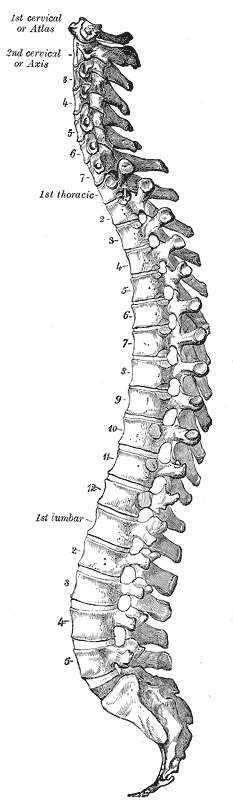
Gray's Anatomy (1918) plate, public domain
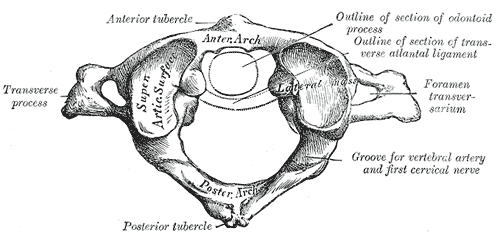
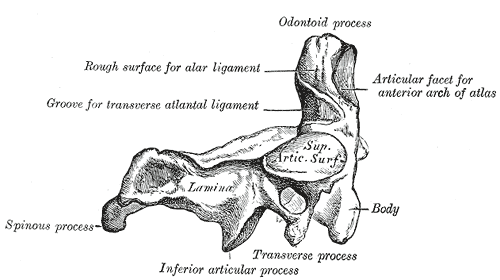
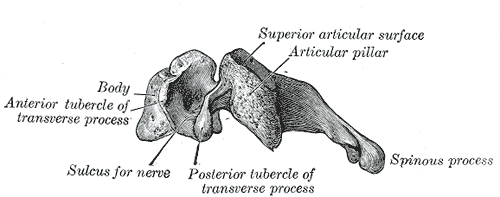
The vertebral column — the spine or backbone — is the central pillar of the skeleton: 33 vertebrae stacked from skull to pelvis, divided into cervical (neck), thoracic (chest), lumbar (lower back), sacral and coccygeal regions. It supports the head and trunk, protects the spinal cord, and its natural S-shaped curves act as a spring for walking and running.
Key facts
- Adults have 33 vertebrae: 7 cervical, 12 thoracic, 5 lumbar, 5 fused sacral and 4 fused coccygeal.
- Its four curves (neck, chest, lower back, pelvic) balance the body over the hips.
- Vertebrae are separated by intervertebral discs that cushion the stack.
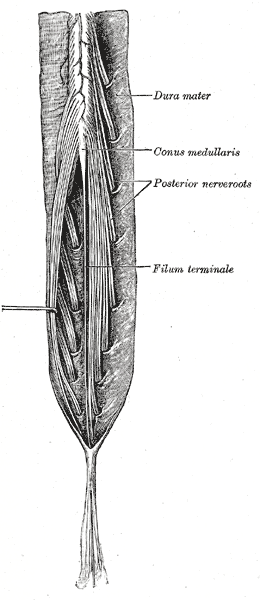
- The spinal cord runs through the vertebral canal formed by the stacked bones.
- It makes up roughly two-fifths of a person's height.
What can go wrong
Back pain at some point in life is extremely common and usually arises from muscles, discs or joints rather than the bones themselves. With age, vertebrae can lose height through osteoporosis, and fractures can follow minor falls. Abnormal sideways curvature (scoliosis) usually appears in adolescence and is monitored during growth.
Related procedures & tests
Related symptoms
Related muscles
Frequently asked questions
How many bones are in the spine?
Thirty-three vertebrae in total, though nine of them fuse into two solid bones (the sacrum and coccyx) by adulthood, leaving 26 separate bones that move or bear weight.
Why is the spine curved?
The S-curves developed for upright walking: they position the head over the pelvis and absorb shock like a spring. A completely straight spine would transmit every footstep's impact directly to the head.
Educational information only. This atlas explains normal anatomy and describes conditions in general terms; it is not medical advice and does not replace assessment by a qualified clinician. If you have symptoms that worry you, seek medical care.