
- Physical Examination
- Surgical Examination
- Ophthalmology
- Clinical Skills
- Orthopedics
- Surgery Videos
- Laparoscopy
- Pediatrics
- Funny Videos
- Cardiothoracic Surgery
- Nursing Videos
- Plastic Surgery
- Otorhinolaryngology
- Histology and Histopathology
- Neurosurgery
- Dermatology
- Pediatric Surgery
- Urology
- Dentistry
- Oncology and Cancers
- Anatomy Videos
- Health and Fitness
- Radiology
- Anaesthesia
- Physical Therapy
- Pharmacology
- Interventional Radiology
- Cardiology
- Endocrinology
- Gynecology
- Emergency Medicine
- Psychiatry and Psychology
- Childbirth Videos
- General Medical Videos
- Nephrology
- Physiology
- Diet and Food Health
- Diabetes Mellitus
- Neurology
- Women Health
- Osteoporosis
- Gastroenterology
- Pulmonology
- Hematology
- Rheumatology
- Toxicology
- Nuclear Medicine
- Infectious Diseases
- Vascular Disease
- Reproductive Health
- Burns and Wound Healing
- Kidney Zone Podcast
- Other
Pneumothorax
A pneumothorax is a collection of air in the space around a lung that causes part or all of that lung to collapse. This page explains its symptoms, causes, and treatment in plain language, with videos to help you follow the key points.
✓ Medically reviewed by Dr. Mohamed Ibrahim, MD, PhD — physician-scientist · Last reviewed: November 2026
In short: In a pneumothorax, air leaks into the space between the lung and the chest wall, and the lung partly collapses. It causes sudden chest pain and breathlessness. Small ones may heal with observation; larger ones need the air drained with a needle or tube.
Watch: Pneumothorax videos

Read: the plain-language guide
Overview
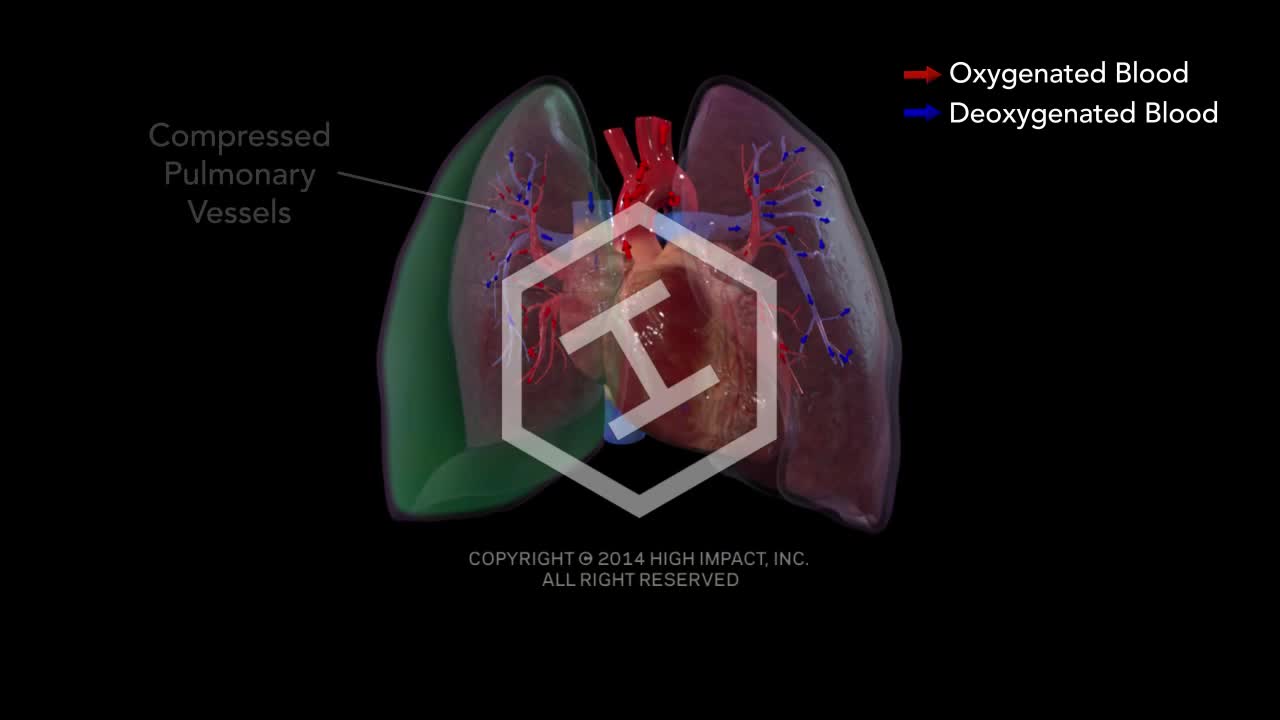
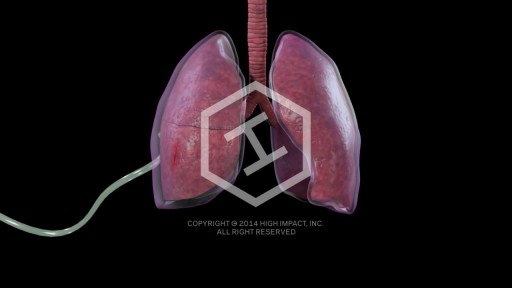
Each lung sits inside the chest wall wrapped in a thin membrane, with only a potential space between the layers. If air escapes from the lung into that space, it presses on the lung and makes it shrink away from the chest wall. The amount of collapse varies from a small rim of air to the whole lung. A pneumothorax can happen out of the blue in otherwise healthy people, as a complication of lung disease, or after injury or a medical procedure. A rare, dangerous form builds pressure with each breath and needs emergency treatment.
Symptoms
Symptoms are sudden, sharp chest pain on one side and breathlessness, starting at rest or during activity. Pain may spread to the shoulder and is often worse when breathing in. A small pneumothorax may cause only mild breathlessness, while a large one can make breathing very difficult. Because these symptoms overlap with heart and lung emergencies, sudden chest pain with breathlessness should always be assessed urgently.
Causes & risk factors
A spontaneous pneumothorax happens when a small weak spot or blister on the lung surface bursts, letting air leak out. This is most common in tall, thin young men, and smoking increases the risk. In older people, pneumothorax usually complicates existing lung disease such as COPD, cystic fibrosis, or pneumonia, where tissue is already damaged. Other causes include chest injuries, such as a broken rib, and medical procedures involving the chest or neck, including some ventilation and line insertion.
How it's diagnosed
Diagnosis is based on the symptoms, an examination of the chest, and a chest X-ray, which shows the edge of the collapsed lung and the air around it. Oxygen levels are checked with a finger probe. A CT scan is sometimes used if the X-ray is unclear or to look for underlying lung disease. The size on imaging, together with how breathless the person is, guides treatment choice.
Treatment overview
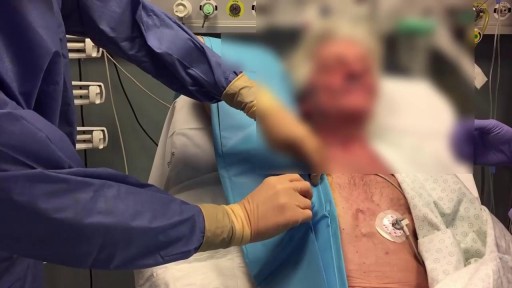
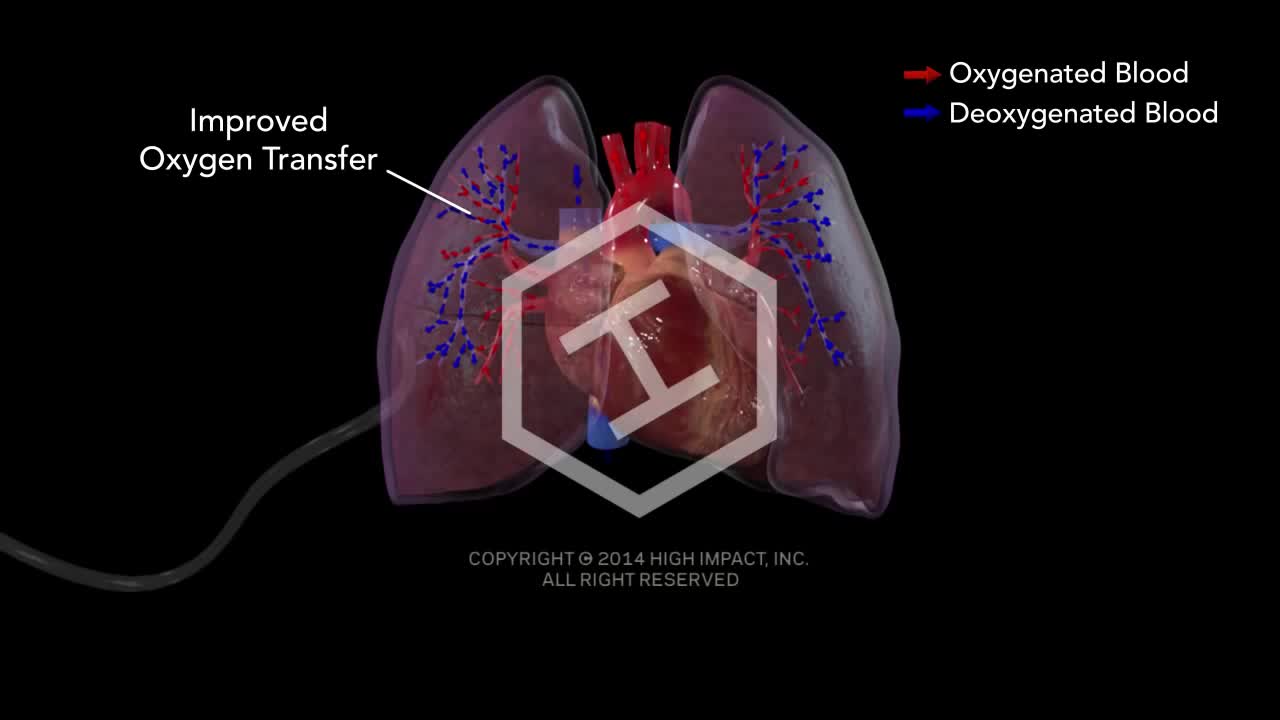
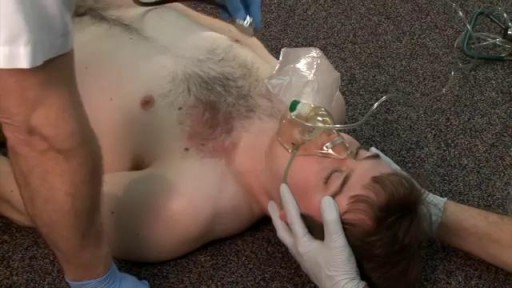
A small pneumothorax in someone comfortable may simply be observed, in hospital or with close follow-up, as the air is gradually absorbed; breathing extra oxygen can speed this up. If the pneumothorax is larger or causing breathlessness, the air is removed with a needle or a thin tube, called a chest drain, inserted between the ribs until the lung re-expands. Surgery to seal the lung and prevent recurrence may be advised if the lung keeps leaking air or the problem returns. Stopping smoking lowers the chance of it happening again.
When to seek care
Call emergency services for sudden chest pain with breathlessness, especially if breathing is worsening, the lips look blue, or the person feels faint or drowsy. A pneumothorax can enlarge quickly, and the pressure form is life-threatening without emergency treatment.
Frequently asked questions
Does a pneumothorax always need a chest drain?
No. Small pneumothoraces in people who are breathing comfortably are often just observed, with repeat X-rays to confirm the air is shrinking. A needle or chest drain is used when the collapse is larger, symptoms are significant, or the lung does not re-expand on its own.
Can a pneumothorax happen again?
Yes, recurrence is common, particularly in people with underlying lung disease and in those who continue to smoke. If it happens more than once on the same side, doctors usually discuss surgery to seal the lung surface and reduce the chance of further episodes.
Can I fly after a pneumothorax?
Not until it has completely resolved and a clinician has cleared you, because air trapped in the chest expands at altitude and can worsen the collapse. Most people are also advised never to scuba dive after a spontaneous pneumothorax unless they have had corrective surgery; ask your specialist for personal advice.
What does a chest drain involve?
A chest drain is a thin plastic tube passed through the chest wall into the space around the lung, usually after local anaesthetic. It lets the trapped air escape so the lung can re-expand, and it stays in place for a few days, connected to a bottle or suction system, until X-rays confirm the leak has sealed.
More in Lungs & Breathing
Related topics on MedicalVideos.com
Sources & further reading
Authoritative references for readers who want to go deeper:
This page is for general education only and is not medical advice. Sudden chest pain with breathlessness should always be assessed the same day; a large pneumothorax can worsen quickly and needs emergency treatment.