
- Physical Examination
- Surgical Examination
- Ophthalmology
- Clinical Skills
- Orthopedics
- Surgery Videos
- Laparoscopy
- Pediatrics
- Funny Videos
- Cardiothoracic Surgery
- Nursing Videos
- Plastic Surgery
- Otorhinolaryngology
- Histology and Histopathology
- Neurosurgery
- Dermatology
- Pediatric Surgery
- Urology
- Dentistry
- Oncology and Cancers
- Anatomy Videos
- Health and Fitness
- Radiology
- Anaesthesia
- Physical Therapy
- Pharmacology
- Interventional Radiology
- Cardiology
- Endocrinology
- Gynecology
- Emergency Medicine
- Psychiatry and Psychology
- Childbirth Videos
- General Medical Videos
- Nephrology
- Physiology
- Diet and Food Health
- Diabetes Mellitus
- Neurology
- Women Health
- Osteoporosis
- Gastroenterology
- Pulmonology
- Hematology
- Rheumatology
- Toxicology
- Nuclear Medicine
- Infectious Diseases
- Vascular Disease
- Reproductive Health
- Burns and Wound Healing
- Kidney Zone Podcast
- Other
Sarcoidosis
Sarcoidosis is a condition in which tiny clusters of inflamed cells form in organs of the body, most often the lungs and lymph glands. This page explains its symptoms, causes, and treatment in plain language, with videos to help you follow the key points.
✓ Medically reviewed by Dr. Mohamed Ibrahim, MD, PhD — physician-scientist · Last reviewed: November 2026
In short: In sarcoidosis, the immune system forms small clumps of inflammation called granulomas, usually in the lungs and glands. Many people have no symptoms and recover without treatment. Others need medicines that calm the immune system and long-term monitoring.
Watch: Sarcoidosis videos
Read: the plain-language guide
Overview
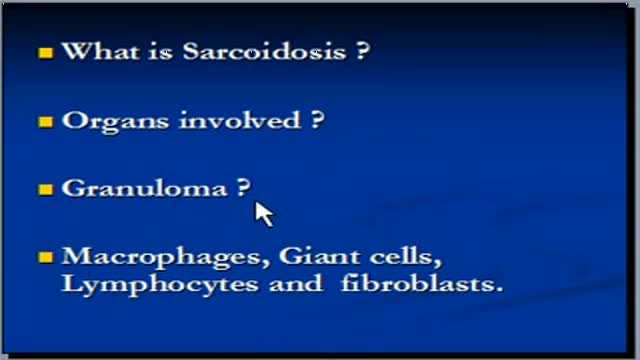
Sarcoidosis causes the immune system to build small, organised clusters of cells, called granulomas, in affected tissues. The lungs and the lymph glands in the chest are involved in the great majority of cases, but the skin, eyes, joints, heart, and nervous system can also be affected. The course of the condition varies widely: in many people it appears, causes few problems, and disappears within a few years, while in others it becomes long-term and can scar affected organs. It most often starts in younger and middle-aged adults.
Symptoms
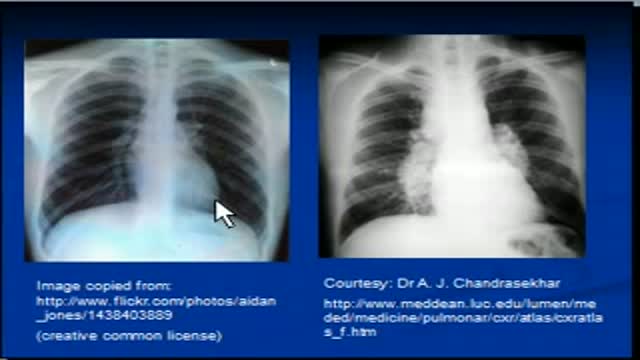
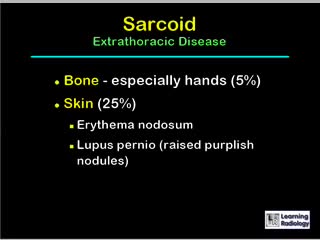
Many people have no symptoms, and sarcoidosis is found by chance on a chest X-ray. When symptoms occur they may include a persistent dry cough, breathlessness, chest discomfort, and marked tiredness. Tender red lumps on the shins, sore or red eyes, joint pains, and swollen glands are also common. Some people develop fever, night sweats, and weight loss during a flare. Because symptoms overlap with infections and other lung conditions, tests are needed to confirm the diagnosis.
Causes & risk factors
The cause of sarcoidosis is not known. It is thought that in people with a genetic tendency, the immune system overreacts to something inhaled or encountered in the environment, and the granulomas are the result of that prolonged reaction. It is not an infection and cannot be caught from or passed to another person. The condition is more common in some populations, including people of African and northern European ancestry, and occasionally affects more than one member of a family, suggesting inherited susceptibility.
How it's diagnosed
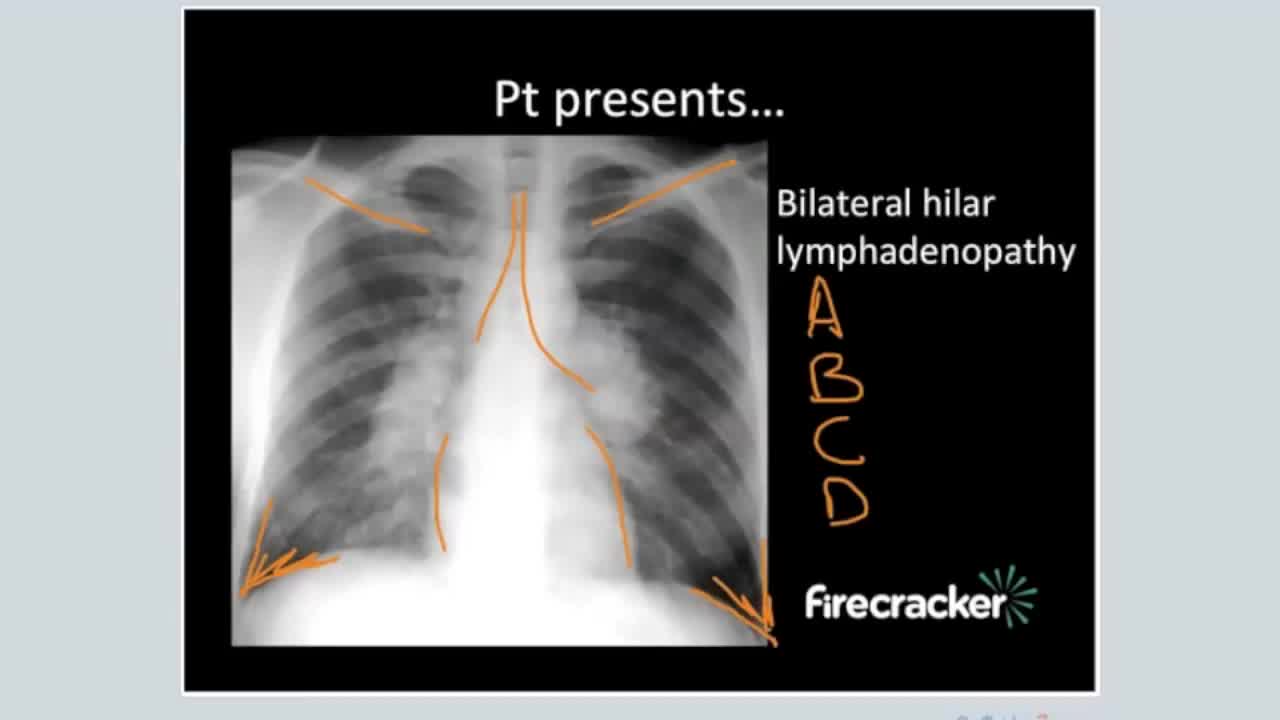
Diagnosis usually combines chest imaging, which often shows enlarged glands in the chest, with blood tests and breathing tests. A biopsy is normally needed to confirm granulomas and to exclude other causes such as tuberculosis and lymphoma, which can look similar; the sample is often taken during a bronchoscopy, a camera examination of the airways. Blood calcium and a substance called ACE are sometimes measured, and checks of the eyes, heart tracing, and lung function help establish which organs are involved and provide a baseline for monitoring.
Treatment overview
Many people need no treatment because the condition settles on its own, and they are simply monitored with periodic scans, breathing tests, and blood tests. Treatment is started when symptoms are troublesome or when important organs such as the lungs, eyes, or heart are threatened. Corticosteroid medicines are the mainstay and are used at the lowest effective amount for as long as needed. If steroids are not enough or cause problems, other medicines that dampen the immune system may be used under specialist supervision. Painkillers and eye drops treat local symptoms such as joint pain and eye inflammation.
When to seek care
Seek prompt review for worsening breathlessness, new eye pain or blurred vision, palpitations or fainting, or symptoms of high calcium such as severe thirst, vomiting, and confusion. Eye and heart involvement can cause permanent harm if treatment is delayed.
Frequently asked questions
Is sarcoidosis a form of cancer?
No. Sarcoidosis is an inflammatory condition, not a cancer, and the granulomas do not spread like a tumour. However, its appearances on scans and under the microscope can resemble cancer or tuberculosis, which is why a biopsy is usually needed before the diagnosis is certain.
Is sarcoidosis contagious?
No. Sarcoidosis is not an infection and cannot be caught from another person or passed on through contact, coughing, or sharing food. Family members do not need to take precautions, although the condition occasionally occurs in more than one relative.
Does sarcoidosis go away?
In many people it does. A large share of cases settle within two to five years, sometimes without any treatment. Others develop a longer-lasting form that needs ongoing monitoring and treatment to protect the lungs, eyes, or heart from scarring and damage.
Which organs can sarcoidosis affect?
The lungs and chest glands are affected most often. The skin, eyes, and joints are also commonly involved, and less often the heart, nervous system, liver, and kidneys. This is why assessment includes checks beyond the chest, such as an eye examination and a heart tracing.
More in Lungs & Breathing
Related topics on MedicalVideos.com
Sources & further reading
Authoritative references for readers who want to go deeper:
This page is for general education only and is not medical advice. New eye pain or blurred vision in someone with sarcoidosis needs prompt assessment, because inflammation inside the eye can threaten sight if it is not treated.